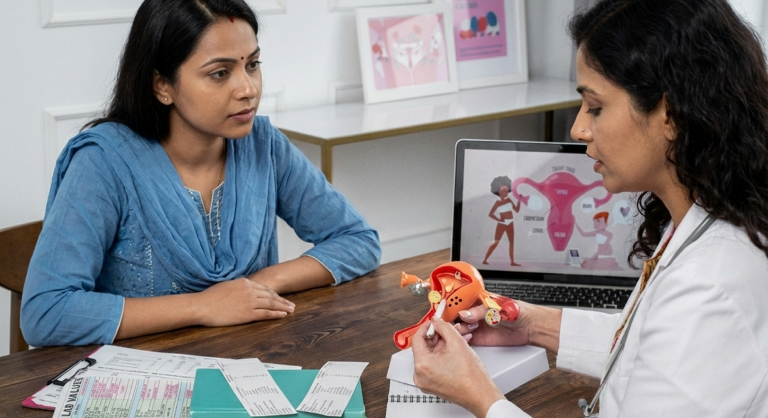



Recently, a young woman walked into my clinic and said, “Doctor, I’ve been told I have PCOD, and now every article I read says to change my diet. But what do I actually eat?”
Her question is one I hear almost every day. And, it’s completely valid. Managing polycystic ovarian disease (PCOD) can feel confusing at first, especially with so much conflicting advice online. Yet, the truth is reassuring: the right PCOD diet plan can make a real difference. It can help regulate your hormones, manage weight, and reduce symptoms naturally.
As an obstetrician-gynaecologist, I’ve guided countless women through this journey. The aim isn’t to chase perfection but to restore balance, in your body and in your daily routine.
Understanding PCOD
I always tell my patients that it is very important to understand what PCOD is before we try to deal with it. So, here are the basic things you should know about PCOD.
PCOD, or Polycystic Ovarian Disease, is a hormonal condition where the ovaries produce higher-than-normal levels of male hormones (androgens). This disrupts ovulation and can lead to irregular periods, ovarian cysts, acne, unwanted hair growth, and difficulty losing weight.
Something I often see is how people use the terms PCOD and PCOS (Polycystic Ovary Syndrome) interchangeably. PCOD refers more specifically to enlarged ovaries with multiple follicles, while PCOS includes broader hormonal and metabolic symptoms.
The encouraging news is that diet and lifestyle management play a key role in controlling PCOD symptoms without needing excessive medication.
What Is the Role of Diet in PCOD?
In one word, HUGE. Diet directly influences insulin levels and inflammation, which are the two critical factors in PCOD. Insulin resistance (when your body doesn’t use insulin effectively) is common in women with PCOD and can worsen hormonal imbalance.
When you adopt a structured PCOD diet plan, you help your body by:
- Regulating insulin and blood sugar levels
- Supporting regular ovulation
- Reducing excess weight and inflammation
- Improving mood, energy, and fertility outcomes
I can’t stress this enough: You have to understand that the goal isn’t restriction. It’s about eating in a way that nourishes, supports balance, and becomes sustainable in the long term.
Creating a Balanced PCOD Diet Plan
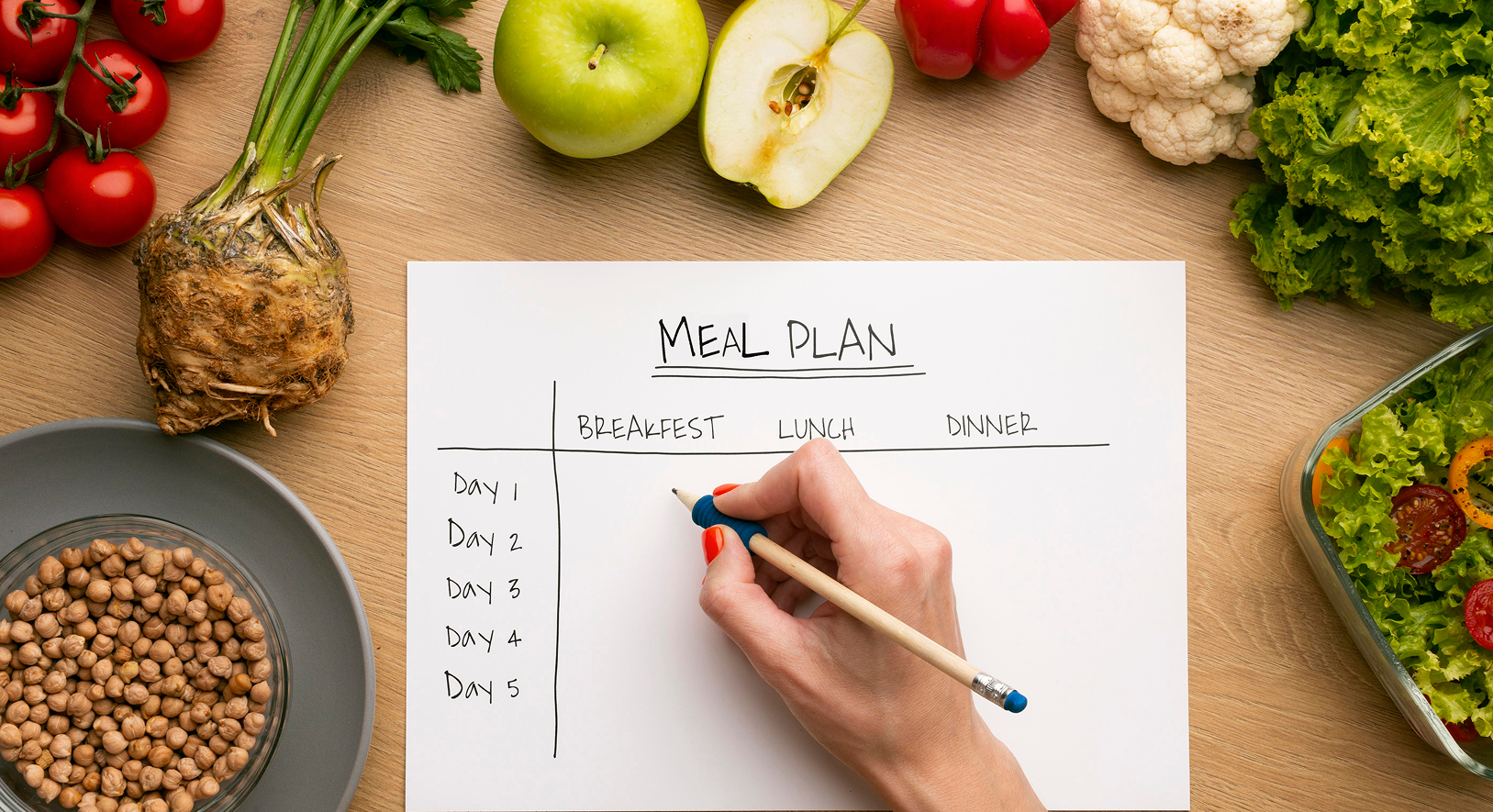
Ideally, a PCOD diet chart should be simple, sustainable, and designed to match your nutritional needs. Here’s how I generally advise my patients to plan their meals.
1. Focus on Whole, Low-Glycaemic Foods
Foods with a low glycaemic index (GI) help maintain stable blood sugar levels. These include:
- Whole grains such as millets, brown rice, quinoa, and oats
- Legumes such as chickpeas, lentils, and kidney beans
- Fresh vegetables, especially leafy greens
- Fruits with low sugar content, like berries, apples, and pears
- Nuts and seeds such as flaxseed, chia, almonds, and walnuts
Avoid refined sugars, white flour, and processed snacks that trigger insulin spikes.
2. Prioritise Lean Proteins
Protein supports muscle mass, stabilises appetite, and aids metabolism. Good options include:
- Eggs (boiled or poached)
- Fish, chicken breast, or tofu
- Greek yoghurt or paneer made from toned milk
- Sprouts and lentils
Each meal should include a protein source.
3. Choose Healthy Fats
Not all fats are bad. Essential fats help regulate hormones. Include:
- Flaxseed and chia seeds
- Avocado
- Olive oil or cold-pressed coconut oil for cooking
- Fatty fish like salmon or sardines (if non-vegetarian)
4. Stay Hydrated and Limit Caffeine
This one is very important. Drink at least 2–2.5 litres of water daily. Herbal teas such as spearmint or cinnamon tea can help reduce inflammation and bloating.
Make sure to limit caffeine to one cup of coffee or tea per day.
5. Eat Mindfully and on Time
Skipping meals or eating very late can disrupt metabolism. Small, frequent meals every 3–4 hours work better for most women with PCOD.
Sample PCOD Diet Chart (Indian, Balanced Approach)
As I have already mentioned, following a diet should never be about starving or being too restrictive about your food. In my opinion, the diet should focus on moderation over extreme restriction. Here’s a sample diet plan that would help you in case you have PCOD. However, I also highly recommend that you consult a doctor before you go with any diet plan, including this one, since what your body requires can only be determined after a detailed consultation!
| Time | Meal | Example Options |
| 7:30 AM | Warm water with lemon / soaked fenugreek seeds | Aids detox and digestion |
| 8:00 AM | Breakfast | Veg upma with sprouts / Dalia with milk and nuts / Oats porridge |
| 11:00 AM | Mid-morning snack | Apple or a handful of mixed nuts |
| 1:00 PM | Lunch | Brown rice or 2 rotis, dal, sabzi, curd |
| 4:00 PM | Evening snack | Roasted chana/ green tea with fruit |
| 7:30 PM | Dinner | Grilled vegetables with chicken/tofu/ Soup with multigrain roti |
| 9:00 PM | Post-dinner | Warm turmeric milk or herbal tea |
This chart reflects a balanced PCOD diet. It is rich in fibre, protein, and micronutrients, and low in refined carbs.
Lifestyle and Exercise: Partners to Nutrition
You have to know that healthy eating yields the best results when paired with regular physical activity. Again, extremism is not what is expected. Even moderate exercise can restore hormonal balance.
Effective forms of exercise include:
- Brisk walking (30 minutes daily)
- Yoga or Pilates for stress reduction
- Strength training 2–3 times a week
- Cycling or swimming
Pro tip: Stress management through sleep hygiene, meditation, or journaling is equally important because chronic stress worsens PCOD symptoms.
Symptoms of PCOD
The best way to cure any ailment is by recognising symptoms early, which will help you take proactive steps. If you notice more than one of the following signs together, you should visit a gynaecologist ASAP.
- Irregular or missed periods
- Weight gain, especially around the waist
- Difficulty losing weight
- Acne and oily skin
- Thinning scalp hair or excess facial hair
- Mood swings or anxiety
- Fertility issues
Diagnosis and Treatment of PCOD
Now, coming to the diagnosis and treatment part, PCOD is diagnosed based on clinical symptoms, blood tests, and ultrasound scans.
Typical evaluations include:
- Hormone profile tests (FSH, LH, testosterone, insulin, thyroid)
- Pelvic ultrasound to check the ovarian size and follicle count
- Glucose and lipid profile
Treatment Approach
PCOD management is holistic. It includes addressing root causes rather than just symptoms.
- Diet and lifestyle modification: First-line approach; a customised PCOD nutrition plan can normalise cycles and improve metabolism.
- Medication: For some, birth control pills, insulin sensitisers (like metformin), or ovulation-inducing agents may be prescribed.
- Weight management: Even a 5–10% weight reduction improves hormone balance.
- Stress and sleep management: Yoga, mindfulness, and relaxation therapy can help restore balance.
What Is an Obstetrician and Why Should You See One?
Patients often ask, “What is an obstetrician?” or “Who is an obstetrician and what do they do?”
An obstetrician is a medical doctor who specialises in pregnancy, childbirth, and women’s reproductive health. When trained in both obstetrics and gynaecology, the specialist is called an obstetrician-gynaecologist. This means they care for women through all life stages, from teenage years to menopause.
As an obstetrician-gynaecologist, I focus on:
- Diagnosing hormonal imbalances
- Helping regulate menstrual cycles
- Guiding safe, medically approved fertility treatments
- Offering nutritional and lifestyle support
Doctor’s Perspective: Managing PCOD with Care and Confidence
Over the years, I have seen the frustration PCOD causes women. Irregular periods, acne, weight gain, or fertility worries can deeply affect confidence. But the important truth I share with every patient is: PCOD is not your fault, and it’s absolutely manageable.
With a consistent PCOD diet plan, active lifestyle choices, and periodic medical reviews, you can bring your body back into balance. Small, sustained changes matter more than temporary diets or drastic measures.
I encourage you to be patient with yourself. Every positive change, every walk, every healthy meal, every early night, nudges your hormones towards stability. And remember, seeking help from a qualified obstetrician or gynaecologist ensures safe, personalised guidance instead of one-size-fits-all advice.
If you suspect PCOD or feel lost about where to begin, you’re not alone. Together, we can build a plan that not only helps manage your symptoms but also restores your well-being and confidence.
FAQs
1. What foods should I avoid in a PCOD diet?
Avoid refined sugars, white bread, sugary beverages, fried foods, and processed snacks. These increase insulin resistance and worsen hormonal imbalance.
2. Can I follow a vegetarian PCOD diet plan?
Yes. A well-balanced vegetarian PCOD diet chart with lentils, beans, nuts, tofu, and whole grains provides adequate nutrition.
3. Is weight gain inevitable with PCOD?
Not at all. With proper meal planning, exercise, and hormonal guidance, weight can be managed effectively.
4. Who is an obstetrician, and why consult one for PCOD?
An obstetrician or obstetrician-gynaecologist specialises in women’s reproductive health. They can diagnose PCOD accurately, monitor hormones, and guide you on safe treatments and nutrition.
5. Can PCOD affect fertility?
Yes, irregular ovulation may cause delays in conception, but with early diagnosis, medical support, and a balanced PCOD diet plan, many women conceive successfully.