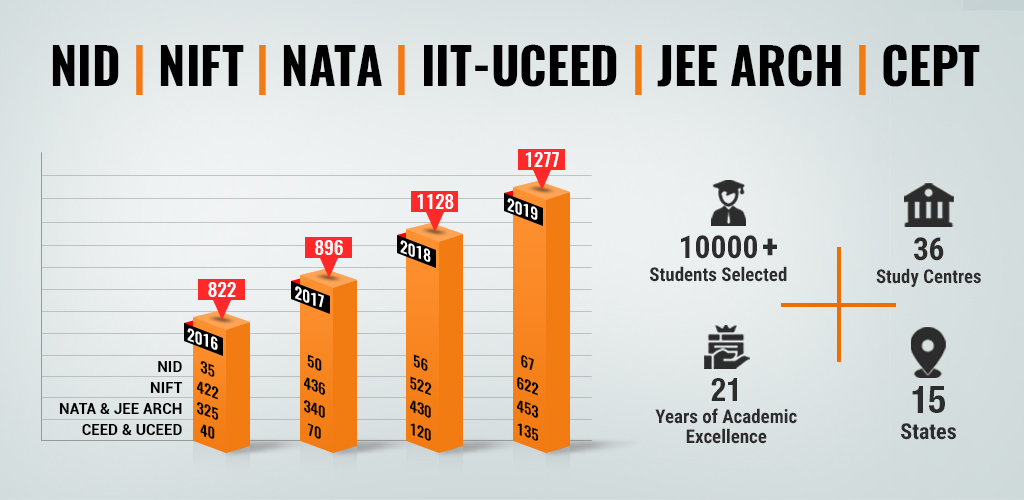
UPTO 100% scholarship and assured placement letters
Last day to apply.
Apply now: http://bit.ly/2XrSJw6.
For details connect at 8800-22-6864

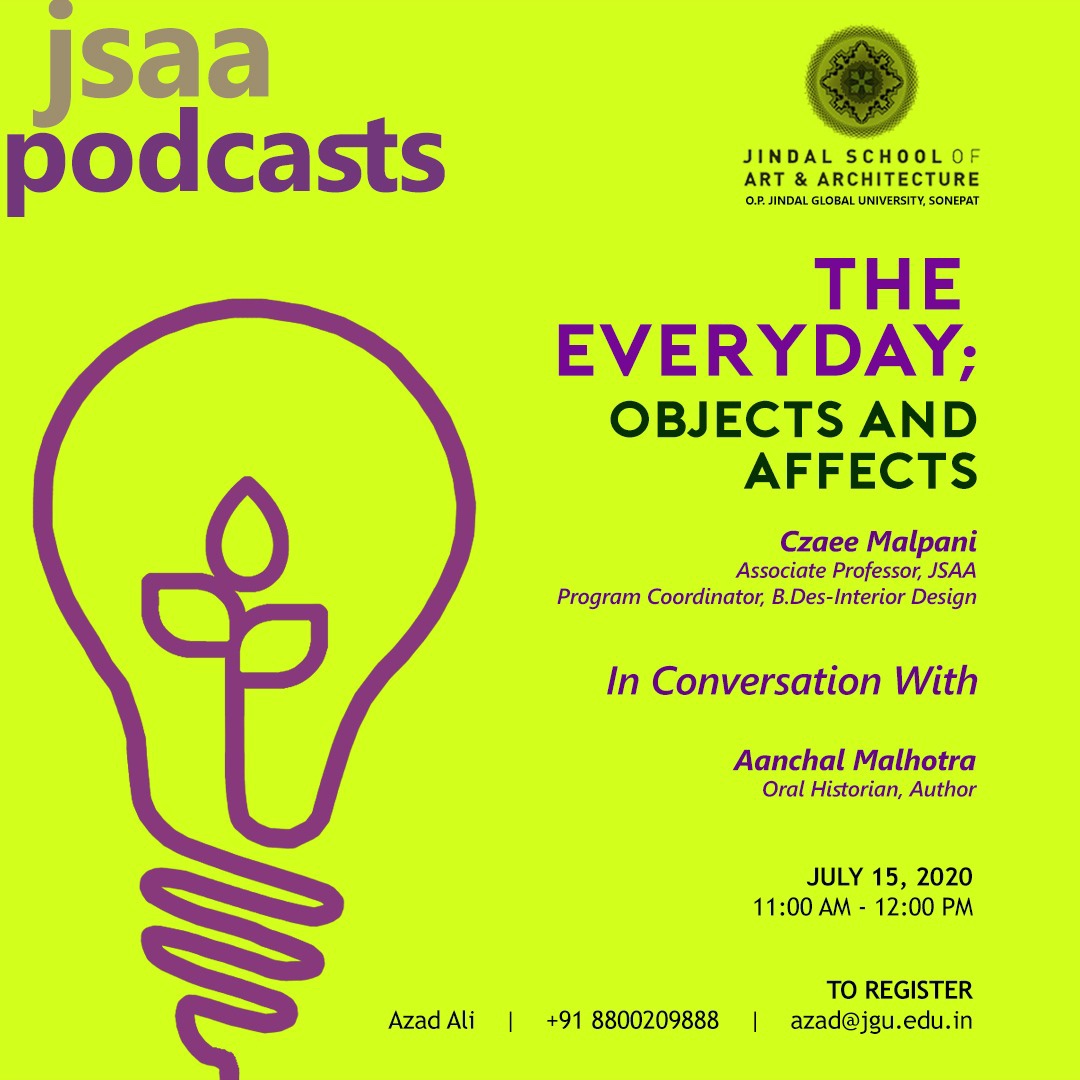
Invitation- JSAA Interior Design Podcast- The everyday object and facts
Our lives are a veritable bricolage of objects, some inherited, some bought, some found, others gifted. Surrounded by them, stored away or lovingly displayed, they define and shape us. Objects move, and they move us; they hurtle us through time and space, both past and of the future. And, they endure, gathering stories and impressions, of generations of hands.
Yet, we mistakenly equate value with money, not memories. We look at the artwork hanging on our walls, and skip past that chipped, faded bowl picked up by our grandmother sitting on the kitchen shelf. We revel in the new, and push back the old, the mundane. Binaries such as these are created, not necessarily lived.
How do we, especially designers, celebrate the ordinary? How do we understand its affective power? How do we recover our personal and collective histories? How do we embrace material culture? How do we make place memories, and make place for them?
*Tune in to this week’s JSAA Interior Design Podcast with Prof. Czaee Malpani and Oral Historian & Author Anchal Malhotra, as we learn to rejoice in the everyday on 15th July, Wednesday at 11 AM link- https://bit.ly/2W4PbjUSMS
To engage the natural potential of an individual through Design Education & Empower them to Evolve, through the spirit for wholistic Co-creation, enabled by positive thought & action.
ARCH was set up in the year 2000, under the aegis of the ARCH Educational Society to impart industrially and globally relevant, specialized education in Design. Through the 18 years of our existence, we have grown into a strong community of 6000 professionals, alumni, students, teaching faculty and support staff, all of whom, with their incredible energy and enthusiasm, have been a part of our journey. Our nurturing environment offers a place where you meet new people, seek new things, and unearth hidden talents.
Our international representation has increased remarkably over the years, with students & faculty members from Sweden, Japan, Spain, UK, USA, Canada, Nepal, Iran, Korea, Kuwait, Dubai, Colombia, Brazil, etc. choosing to study and contribute with us.
The industry oriented emphasis in learning at ARCH, focuses on employability. Equally significant are the entrepreneurship & skill based courses which impart knowledge and practice of the business aspects of creative industry.
To promote entrepreneurship, ARCH has conducted several workshops for Skilled Entrepreneurship Development Courses sponsored by government bodies. The Incubation cell at the Jaipur campus provides budding entrepreneurs with the appropriate environment and support for taking their concept from ideation stage to execution.
AIEED – is the All India Entrance Examination for Design being conducted by ARCH since 2011, is a one of its kind exam which can be taken by students from all parts of India. Accessible also to interested students the world over, it has interactive components at its core and a random selection of questions from specially formulated question banks at its peripheral. This interesting online exam is designed to facilitate ease of use for students, for assessment of abilities supporting aspirations for a career in Design.
The academy offers a wide gamut of industry oriented courses of international standards with university certification. Experienced faculty members are involved in the development of curriculum, to ensure that these courses offer the right combination of practical and theoretical skills, with the latest techniques, processes and thinking supported by an understanding of the socio-cultural context & industry needs.

ARCH employs design thinking and creative problem solving strategies in all areas of design creation, styling, retail, branding and lifestyle. Intellectual and innovative dimensions in fashion learning are explored through design knowledge, skills and understanding of form, silhouette, material, texture, colours and processes to create innovative, sustainable and responsible fashion. The Fashion Department prepares the students to establish their own space in this complex, ever evolving and growing industry and professionally handle the challenges distinctive to it.
The Indian fashion and textile industry is set for strong growth, buoyed by strong domestic consumption as well as export demand. According to a report by the India Brand Equity Foundation, the apparel market in India is estimated to grow at a Compound Annual Growth Rate (CAGR) of 11.8% to reach US$ 180 billion by 2025. Rising globalization and consumerism are encouraging the fashion industry to explore the broadest contexts and applications of the field.








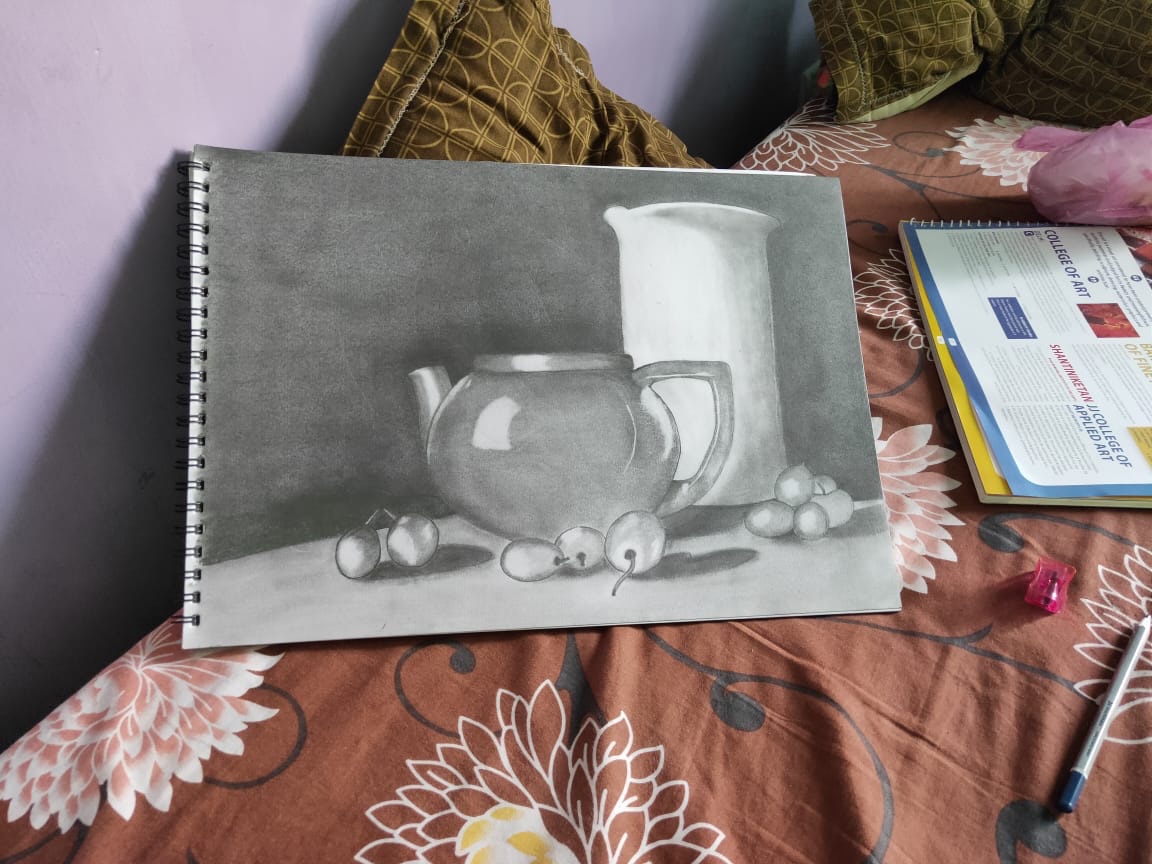
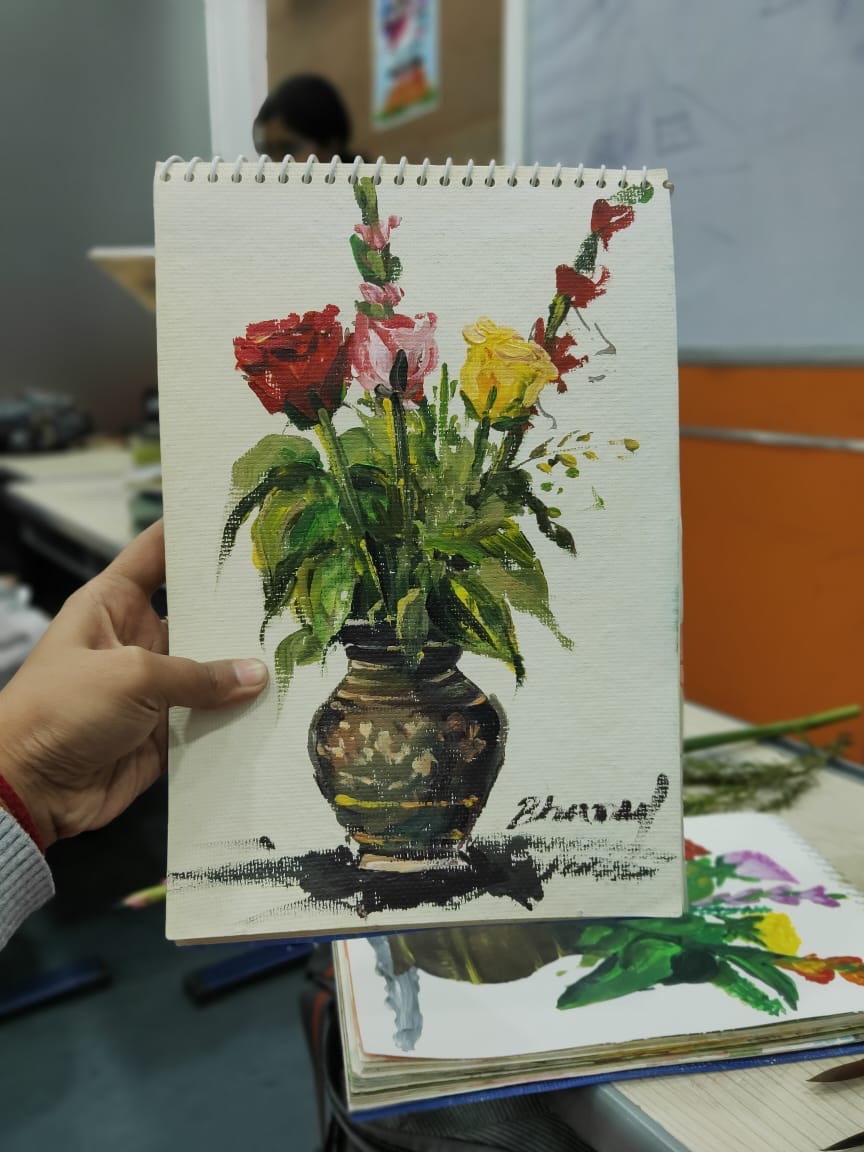
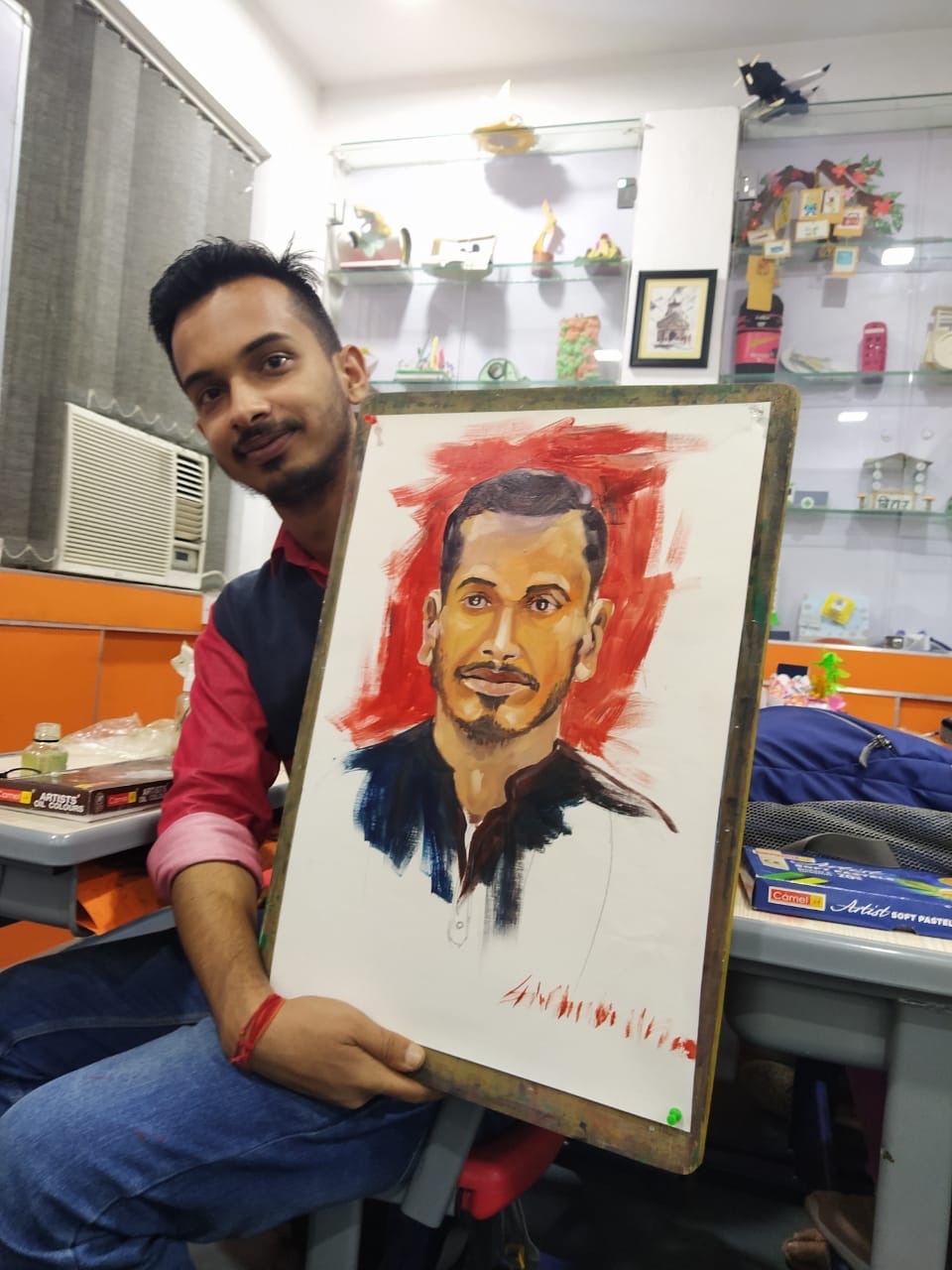
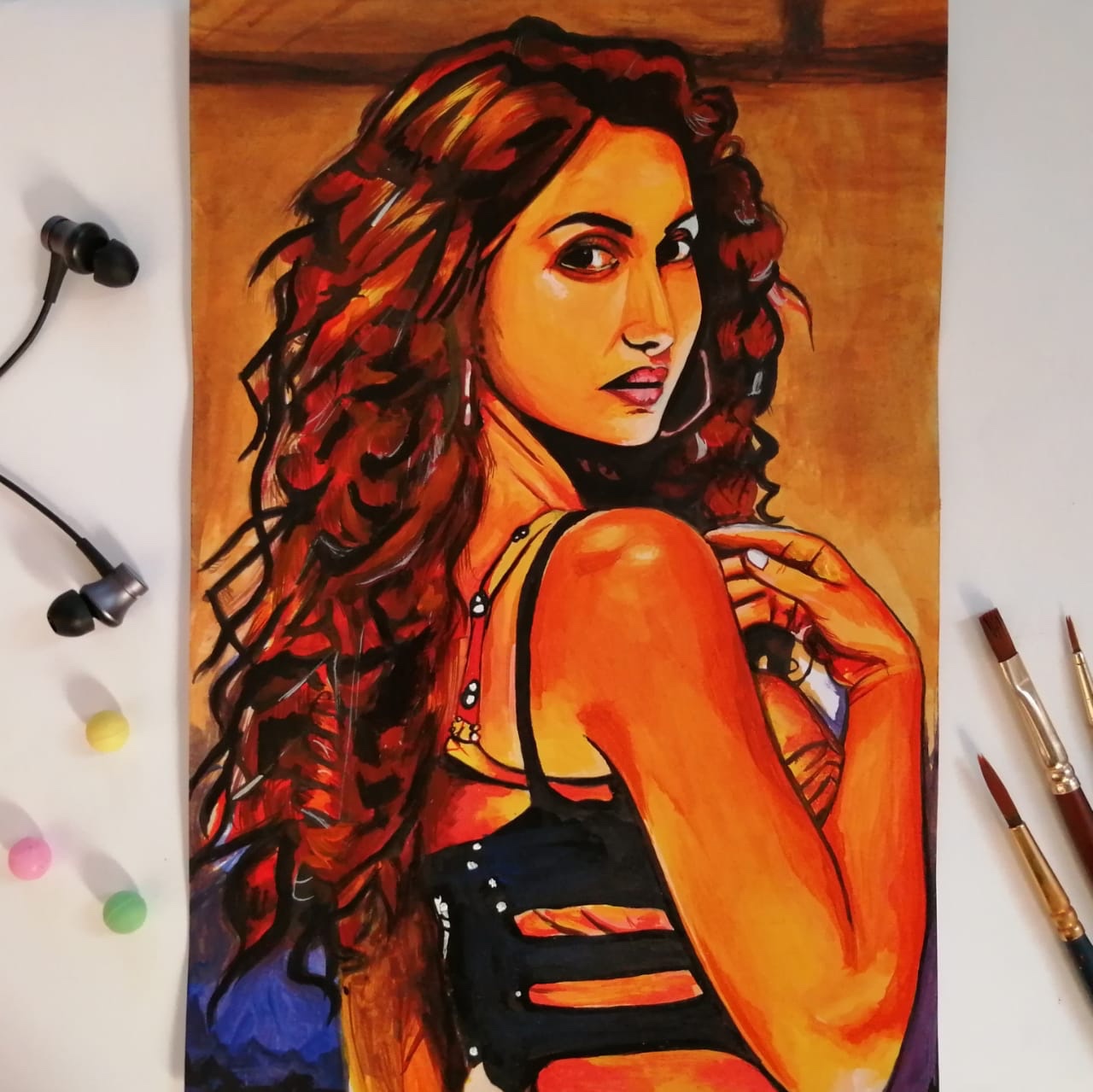
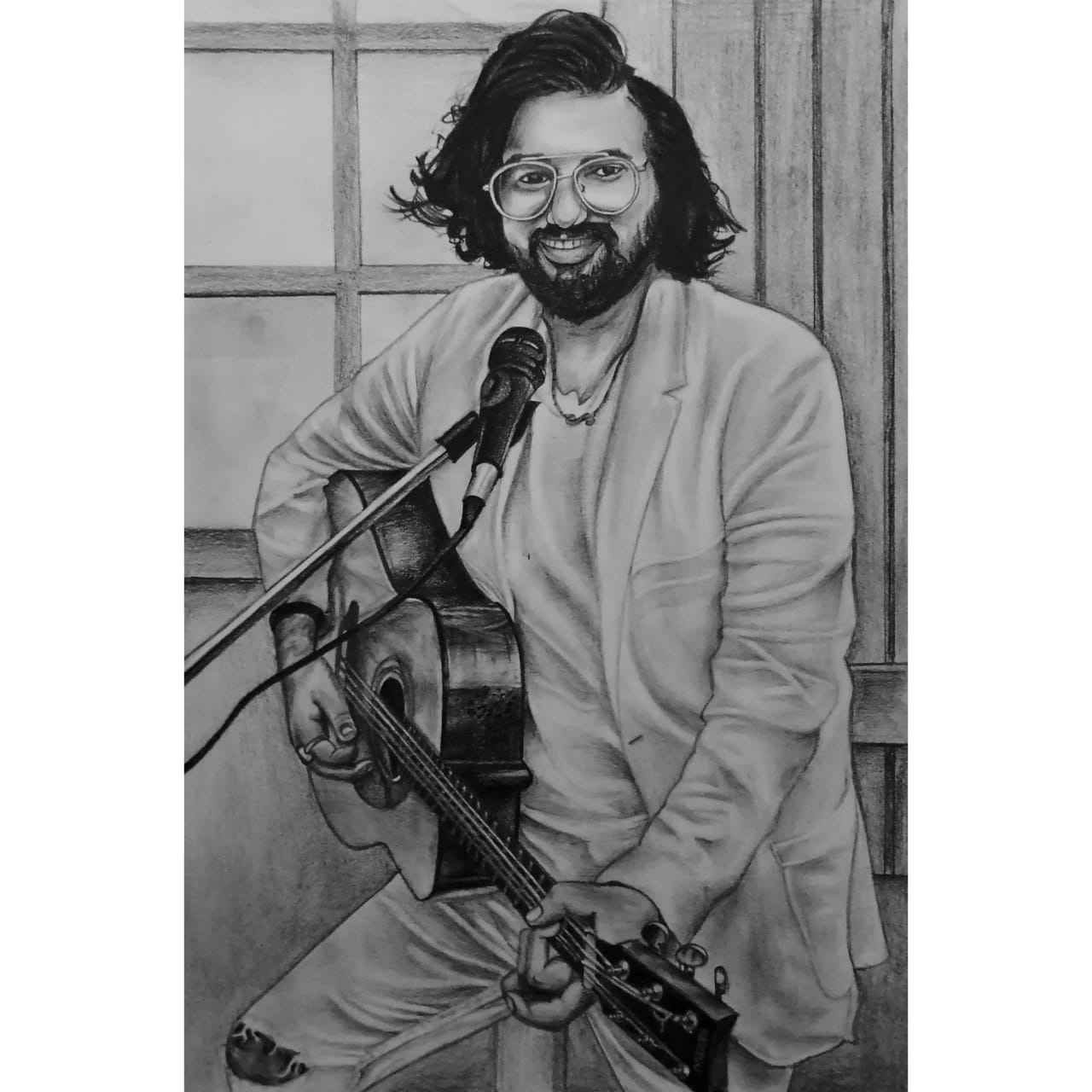
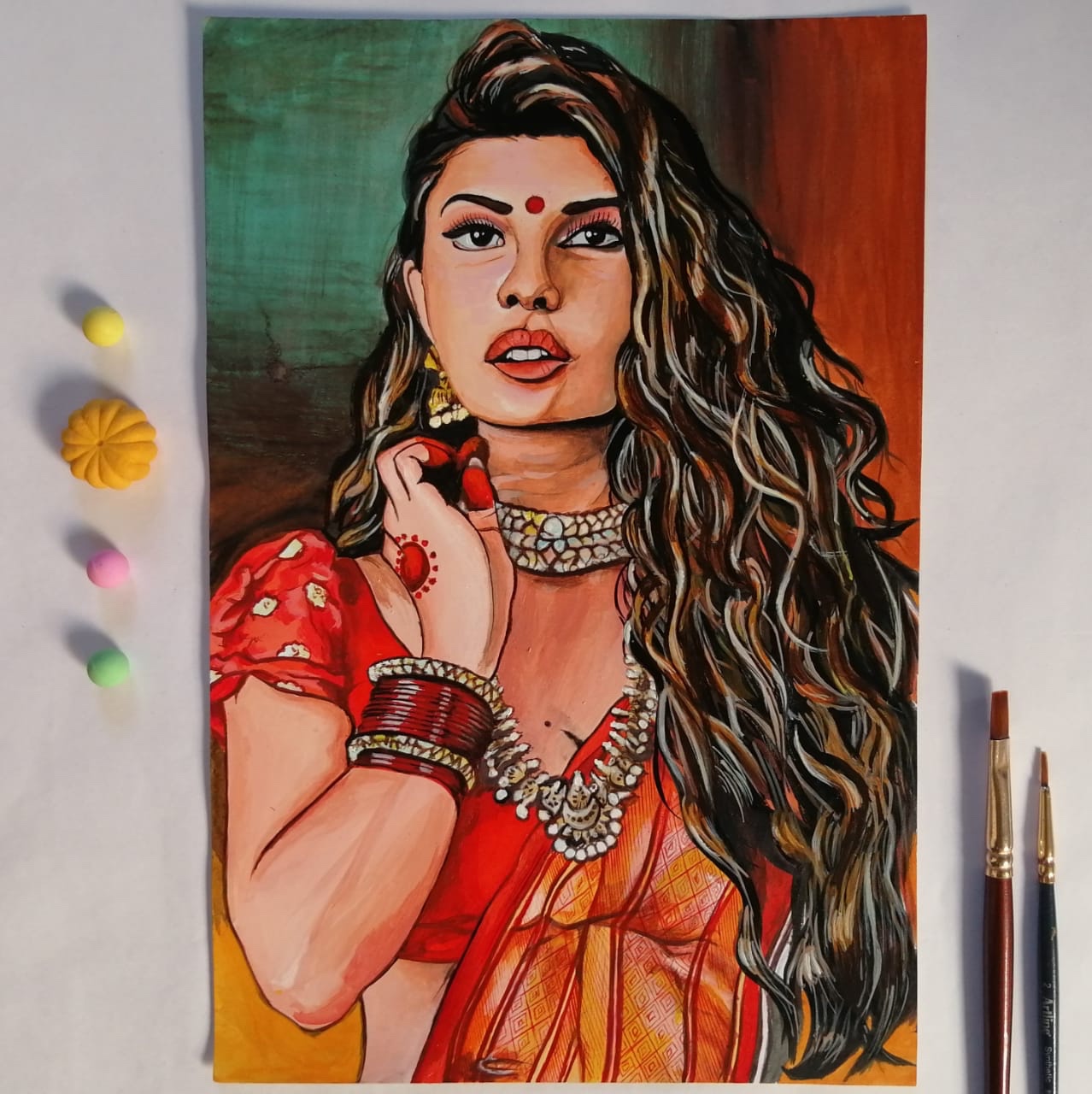

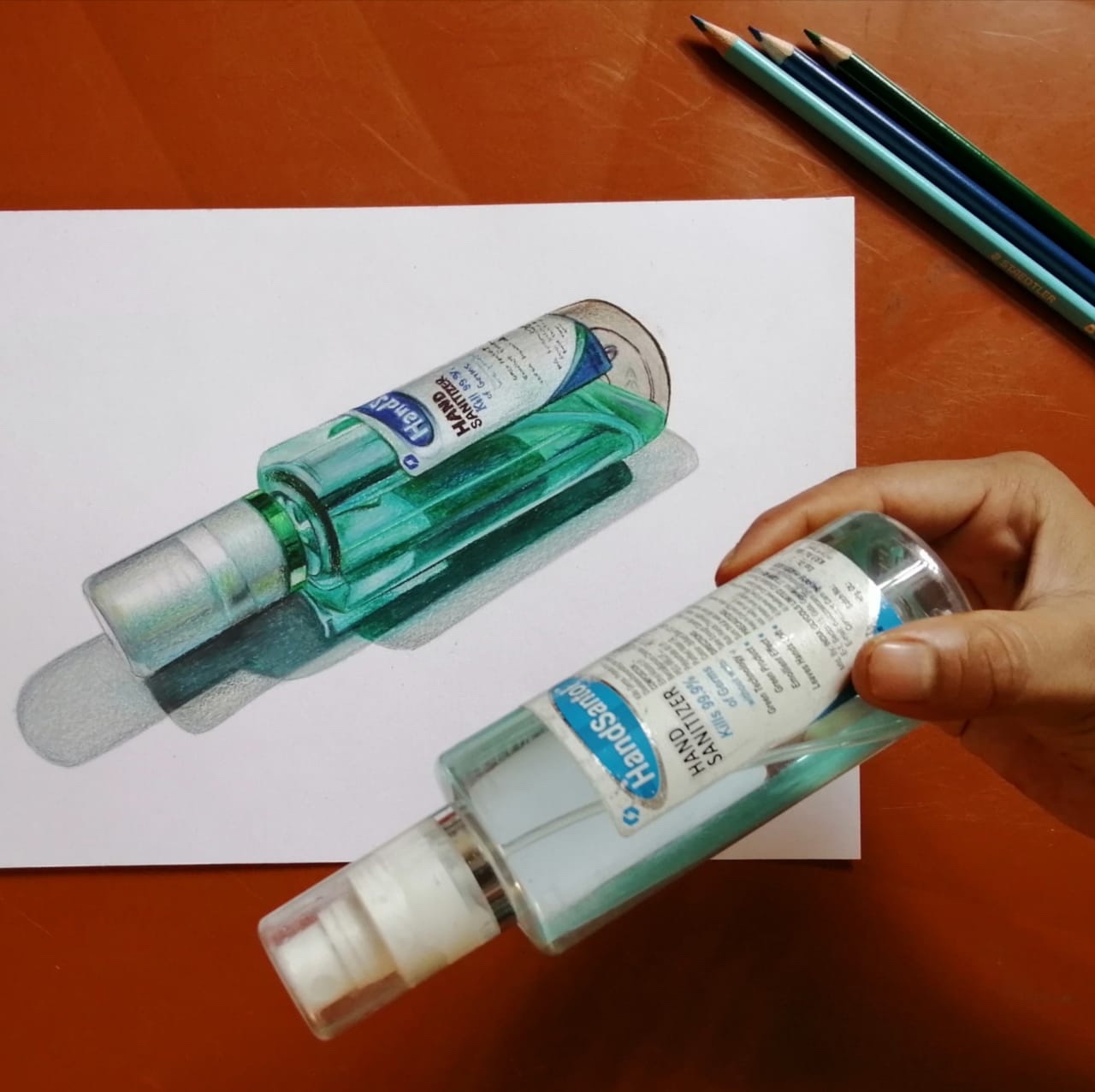
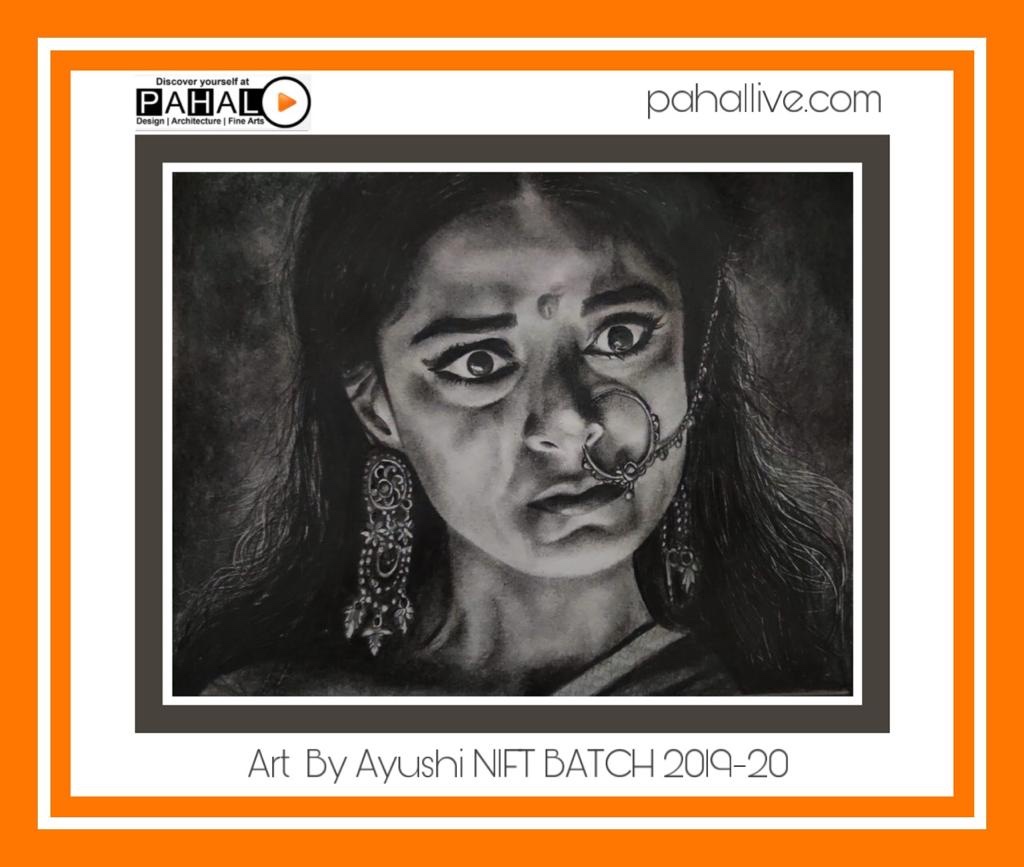
 The National Institute of Fashion Technology is a leader in fashion education with the ability to integrate knowledge, traditional arts, contemporary thought, academic freedom, innovations in design & technology and creative thinking to continuously upgrade its curriculum to address the changing needs of the industry. Its history of more than three decades at the pinnacle of fashion education stands as a testimony to its focus on core values where academic excellence has been nurtured. The institute has stood as a beacon of industry-academia engagement and a key enabler in developing competent professionals.
The National Institute of Fashion Technology (NIFT), set up in 1986 under the Ministry of Textiles, Government of India, is a Statutory Institute governed by the NIFT Act 2006. Bringing in a wide range of aesthetic & intellectual orientations, the early instructors included leading progressive scholars from Fashion Institute of Technology, New York, USA.
Academic inclusiveness has been the key thought in the expansion plans of the institute. NIFT, today, has spread its wings across the length and breadth of the country. Through its 16 professionally managed campuses, National Institute of Fashion Technology provides an excellent environment to its students from different parts of the country to achieve their highest potential through the programmes offered. Since the early years of its inception, the institute has provided a firm foundation in fashion education in the domains of Design, Management and Technology. Since then, NIFT has continued to set and achieve higher academic standards.
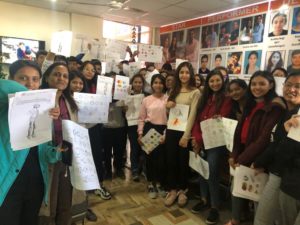
NIFT CAT exam pattern is such that candidates are evaluated on the basis of their intuition skill, power of observation, innovation in the development of a concept as well as design ability of the candidate. One of the most important aspects of NIFT CAT exam is that it tests the creative as well as innovative use of colour and illustration skills of aspirants.
NIFT CAT is a paper-pencil based exam and it is of three hours duration.
 NIFT Exam Pattern 2020: General Ability Test (GAT)
Candidates seeking NIFT admissions in BDes programmes offered at NIFT need to appear for GAT exam. This test comprises of the below-mentioned sections:
The duration of NIFT GAT is 120 minutes for BDes course. While formulating the merit list for BDes course admissions 30% weighatge is allotted to GAT section of NIFT entrance exam.
In NIFT exam pattern 2020 for BDes admissions, candidates need to appear for CAT. NIFT CAT exam paper has three questions which candidates need to attempt in three hours duration. In this design entrance exam, candidates are evaluated on the below mentioned parameters:

Candidates who have been shortlisted for NIFT BDes admissions on the basis of their written test need to appear for NIFT Situation Test 2020 wherein their “material handling and innovative ability” will be tested.
Here, candidates will be evaluated on “on Space Visualization, Innovative and creative use of given material, composition of elements, colour scheme, construction skill , finesse of the model and overall presentation etc. These parameters will be checked with the write up explaining the concept / idea behind the model constructed. The weightage of the write up is 30%. Since the medium of teaching in NIFT is English, the write-up will be in English language.
 NIFT CAT exam, candidates are evaluated out of 100 marks. In GAT exam, aspirants are awarded for one mark for every correct answer and 0.25 marks are deducted for each wrong answer selected by them.
Pahal Design Chandigarh
Address:- SCO No. 54/55, 2nd Floor, Sector 34 A, Chandigarh – 160022
Contact No : 91004-04681
Contact Person : Mr Raja Pratap
Email : chandigarh@pahaldesign.com
ngg_shortcode_2_placeholder
The National Institute of Fashion Technology is a leader in fashion education with the ability to integrate knowledge, traditional arts, contemporary thought, academic freedom, innovations in design & technology and creative thinking to continuously upgrade its curriculum to address the changing needs of the industry. Its history of more than three decades at the pinnacle of fashion education stands as a testimony to its focus on core values where academic excellence has been nurtured. The institute has stood as a beacon of industry-academia engagement and a key enabler in developing competent professionals.
The National Institute of Fashion Technology (NIFT), set up in 1986 under the Ministry of Textiles, Government of India, is a Statutory Institute governed by the NIFT Act 2006. Bringing in a wide range of aesthetic & intellectual orientations, the early instructors included leading progressive scholars from Fashion Institute of Technology, New York, USA.
Academic inclusiveness has been the key thought in the expansion plans of the institute. NIFT, today, has spread its wings across the length and breadth of the country. Through its 16 professionally managed campuses, National Institute of Fashion Technology provides an excellent environment to its students from different parts of the country to achieve their highest potential through the programmes offered. Since the early years of its inception, the institute has provided a firm foundation in fashion education in the domains of Design, Management and Technology. Since then, NIFT has continued to set and achieve higher academic standards.
NIFT CAT exam pattern is such that candidates are evaluated on the basis of their intuition skill, power of observation, innovation in the development of a concept as well as design ability of the candidate. One of the most important aspects of NIFT CAT exam is that it tests the creative as well as innovative use of colour and illustration skills of aspirants.
NIFT CAT is a paper-pencil based exam and it is of three hours duration.
NIFT Exam Pattern 2020: General Ability Test (GAT)Candidates seeking NIFT admissions in BDes programmes offered at NIFT need to appear for GAT exam. This test comprises of the below-mentioned sections:
The duration of NIFT GAT is 120 minutes for BDes course. While formulating the merit list for BDes course admissions 30% weighatge is allotted to GAT section of NIFT entrance exam.
In NIFT exam pattern 2020 for BDes admissions, candidates need to appear for CAT. NIFT CAT exam paper has three questions which candidates need to attempt in three hours duration. In this design entrance exam, candidates are evaluated on the below mentioned parameters:
Candidates who have been shortlisted for NIFT BDes admissions on the basis of their written test need to appear for NIFT Situation Test 2020 wherein their “material handling and innovative ability” will be tested.
Here, candidates will be evaluated on “on Space Visualization, Innovative and creative use of given material, composition of elements, colour scheme, construction skill , finesse of the model and overall presentation etc. These parameters will be checked with the write up explaining the concept / idea behind the model constructed. The weightage of the write up is 30%. Since the medium of teaching in NIFT is English, the write-up will be in English language.
NIFT CAT exam, candidates are evaluated out of 100 marks. In GAT exam, aspirants are awarded for one mark for every correct answer and 0.25 marks are deducted for each wrong answer selected by them.Address:- 307, 3rd Floor, Vardaan Market, Camac Street, Kolkata – 700016
Contact No : 033-46014578, 9830006214
Contact Person : Ms Twinkle Roy
Email : kolkata@pahaldesign.com
ngg_shortcode_3_placeholder
The National Institute of Fashion Technology is a leader in fashion education with the ability to integrate knowledge, traditional arts, contemporary thought, academic freedom, innovations in design & technology and creative thinking to continuously upgrade its curriculum to address the changing needs of the industry. Its history of more than three decades at the pinnacle of fashion education stands as a testimony to its focus on core values where academic excellence has been nurtured. The institute has stood as a beacon of industry-academia engagement and a key enabler in developing competent professionals.
The National Institute of Fashion Technology (NIFT), set up in 1986 under the Ministry of Textiles, Government of India, is a Statutory Institute governed by the NIFT Act 2006. Bringing in a wide range of aesthetic & intellectual orientations, the early instructors included leading progressive scholars from Fashion Institute of Technology, New York, USA.
Academic inclusiveness has been the key thought in the expansion plans of the institute. NIFT, today, has spread its wings across the length and breadth of the country. Through its 16 professionally managed campuses, National Institute of Fashion Technology provides an excellent environment to its students from different parts of the country to achieve their highest potential through the programmes offered. Since the early years of its inception, the institute has provided a firm foundation in fashion education in the domains of Design, Management and Technology. Since then, NIFT has continued to set and achieve higher academic standards.
NIFT CAT exam pattern is such that candidates are evaluated on the basis of their intuition skill, power of observation, innovation in the development of a concept as well as design ability of the candidate. One of the most important aspects of NIFT CAT exam is that it tests the creative as well as innovative use of colour and illustration skills of aspirants.
NIFT CAT is a paper-pencil based exam and it is of three hours duration.
NIFT Exam Pattern 2020: General Ability Test (GAT)Candidates seeking NIFT admissions in BDes programmes offered at NIFT need to appear for GAT exam. This test comprises of the below-mentioned sections:
The duration of NIFT GAT is 120 minutes for BDes course. While formulating the merit list for BDes course admissions 30% weighatge is allotted to GAT section of NIFT entrance exam.
In NIFT exam pattern 2020 for BDes admissions, candidates need to appear for CAT. NIFT CAT exam paper has three questions which candidates need to attempt in three hours duration. In this design entrance exam, candidates are evaluated on the below mentioned parameters:
Candidates who have been shortlisted for NIFT BDes admissions on the basis of their written test need to appear for NIFT Situation Test 2020 wherein their “material handling and innovative ability” will be tested.
Here, candidates will be evaluated on “on Space Visualization, Innovative and creative use of given material, composition of elements, colour scheme, construction skill , finesse of the model and overall presentation etc. These parameters will be checked with the write up explaining the concept / idea behind the model constructed. The weightage of the write up is 30%. Since the medium of teaching in NIFT is English, the write-up will be in English language.
NIFT CAT exam, candidates are evaluated out of 100 marks. In GAT exam, aspirants are awarded for one mark for every correct answer and 0.25 marks are deducted for each wrong answer selected by them.Address:- 2nd Floor, Manjusha Complex, Opposite Shri Bangla Ghari Chandi Mandir,
Hazaribag Road, Lalpur, Ranchi – 834001
Contact No : +91-76777-16770, 0651-2531054
Contact Person : Ms. Shweta
Email : ranchi@pahaldesign.com
ngg_shortcode_4_placeholder
The National Institute of Fashion Technology is a leader in fashion education with the ability to integrate knowledge, traditional arts, contemporary thought, academic freedom, innovations in design & technology and creative thinking to continuously upgrade its curriculum to address the changing needs of the industry. Its history of more than three decades at the pinnacle of fashion education stands as a testimony to its focus on core values where academic excellence has been nurtured. The institute has stood as a beacon of industry-academia engagement and a key enabler in developing competent professionals.
The National Institute of Fashion Technology (NIFT), set up in 1986 under the Ministry of Textiles, Government of India, is a Statutory Institute governed by the NIFT Act 2006. Bringing in a wide range of aesthetic & intellectual orientations, the early instructors included leading progressive scholars from Fashion Institute of Technology, New York, USA.
Academic inclusiveness has been the key thought in the expansion plans of the institute. NIFT, today, has spread its wings across the length and breadth of the country. Through its 16 professionally managed campuses, National Institute of Fashion Technology provides an excellent environment to its students from different parts of the country to achieve their highest potential through the programmes offered. Since the early years of its inception, the institute has provided a firm foundation in fashion education in the domains of Design, Management and Technology. Since then, NIFT has continued to set and achieve higher academic standards.
NIFT CAT exam pattern is such that candidates are evaluated on the basis of their intuition skill, power of observation, innovation in the development of a concept as well as design ability of the candidate. One of the most important aspects of NIFT CAT exam is that it tests the creative as well as innovative use of colour and illustration skills of aspirants.
NIFT CAT is a paper-pencil based exam and it is of three hours duration.
NIFT Exam Pattern 2020: General Ability Test (GAT)Candidates seeking NIFT admissions in BDes programmes offered at NIFT need to appear for GAT exam. This test comprises of the below-mentioned sections:
The duration of NIFT GAT is 120 minutes for BDes course. While formulating the merit list for BDes course admissions 30% weighatge is allotted to GAT section of NIFT entrance exam.
In NIFT exam pattern 2020 for BDes admissions, candidates need to appear for CAT. NIFT CAT exam paper has three questions which candidates need to attempt in three hours duration. In this design entrance exam, candidates are evaluated on the below mentioned parameters:
Candidates who have been shortlisted for NIFT BDes admissions on the basis of their written test need to appear for NIFT Situation Test 2020 wherein their “material handling and innovative ability” will be tested.
Here, candidates will be evaluated on “on Space Visualization, Innovative and creative use of given material, composition of elements, colour scheme, construction skill , finesse of the model and overall presentation etc. These parameters will be checked with the write up explaining the concept / idea behind the model constructed. The weightage of the write up is 30%. Since the medium of teaching in NIFT is English, the write-up will be in English language.
NIFT CAT exam, candidates are evaluated out of 100 marks. In GAT exam, aspirants are awarded for one mark for every correct answer and 0.25 marks are deducted for each wrong answer selected by them.D/2, Ground Floor, Basant Vihar Colony, Gwalior
Contact Person: Kanika Jain
Mobile Number: 93540-52529
Email : corporate@pahaldesign.com
ngg_shortcode_5_placeholder
The National Institute of Fashion Technology is a leader in fashion education with the ability to integrate knowledge, traditional arts, contemporary thought, academic freedom, innovations in design & technology and creative thinking to continuously upgrade its curriculum to address the changing needs of the industry. Its history of more than three decades at the pinnacle of fashion education stands as a testimony to its focus on core values where academic excellence has been nurtured. The institute has stood as a beacon of industry-academia engagement and a key enabler in developing competent professionals.
The National Institute of Fashion Technology (NIFT), set up in 1986 under the Ministry of Textiles, Government of India, is a Statutory Institute governed by the NIFT Act 2006. Bringing in a wide range of aesthetic & intellectual orientations, the early instructors included leading progressive scholars from Fashion Institute of Technology, New York, USA.
Academic inclusiveness has been the key thought in the expansion plans of the institute. NIFT, today, has spread its wings across the length and breadth of the country. Through its 16 professionally managed campuses, National Institute of Fashion Technology provides an excellent environment to its students from different parts of the country to achieve their highest potential through the programmes offered. Since the early years of its inception, the institute has provided a firm foundation in fashion education in the domains of Design, Management and Technology. Since then, NIFT has continued to set and achieve higher academic standards.
NIFT Courses:
NIFT Exam Pattern 2020: Creative Ability Test (CAT)
NIFT CAT exam pattern is such that candidates are evaluated on the basis of their intuition skill, power of observation, innovation in the development of a concept as well as design ability of the candidate. One of the most important aspects of NIFT CAT exam is that it tests the creative as well as innovative use of colour and illustration skills of aspirants.
 NIFT CAT is a paper-pencil based exam and it is of three hours duration.
NIFT Exam Pattern 2020: General Ability Test (GAT)
Candidates seeking NIFT admissions in BDes programmes offered at NIFT need to appear for GAT exam. This test comprises of the below-mentioned sections:
The duration of NIFT GAT is 120 minutes for BDes course. While formulating the merit list for BDes course admissions 30% weighatge is allotted to GAT section of NIFT entrance exam.
NIFT CAT Exam Pattern for BDes Admissions
In NIFT exam pattern 2020 for BDes admissions, candidates need to appear for CAT. NIFT CAT exam paper has three questions which candidates need to attempt in three hours duration. In this design entrance exam, candidates are evaluated on the below mentioned parameters:
NIFT Exam Pattern for Situation Test
Candidates who have been shortlisted for NIFT BDes admissions on the basis of their written test need to appear for NIFT Situation Test 2020 wherein their “material handling and innovative ability” will be tested.
Here, candidates will be evaluated on “on Space Visualization, Innovative and creative use of given material, composition of elements, colour scheme, construction skill , finesse of the model and overall presentation etc. These parameters will be checked with the write up explaining the concept / idea behind the model constructed. The weightage of the write up is 30%. Since the medium of teaching in NIFT is English, the write-up will be in English language.
Address:- 77, 1st Floor, Halwasiya Market, Hazratganj, Lucknow – 226001
Contact No : 0522-4077691, 964848-4145
Contact Person : Mr. Abad Ali
Email : lucknow@pahaldesign.com
Address:- HIG 7 Sector E, Above Kidzee School, Opposite Radhe Lal Sweets, Aliganj, Lucknow – 226024
Contact No : 0522-4240662, 9415-999-864 / 65
Contact Person : Mr. Waris
Email : aliganj@pahaldesign.com
Lucknow (Gomti Nagar)
Contact No : 0522-4240662, 9415-999-864 / 65
Contact Person : Mr. Waris
Email : lucknow@pahaldesign.com