Launch Your Fashion Career: A 7-Step Action Plan

Starting a career in fashion design can be exciting and rewarding. Here are some steps you can take to kickstart your fashion design career:

NIFT_official_logo

1. Education: Consider enrolling in a reputable fashion design school or program to gain formal education and training in the field. A degree or diploma in fashion design will provide you with a solid foundation of knowledge and skills.

2. Build your portfolio: Create a strong portfolio showcasing your design work, sketches, projects, and any relevant experience. Your portfolio is a visual representation of your skills and creativity, which can help you stand out to potential employers or clients.

3. Gain experience: Seek internships, apprenticeships, or entry-level positions in the fashion industry to gain hands-on experience and practical knowledge. This will also help you network and make valuable connections within the industry.

4. Stay updated: Keep yourself updated with the latest trends, techniques, and technologies in the fashion industry. Attend fashion shows, workshops, and events to stay informed and inspired.

5. Develop your unique style: Experiment with different styles, techniques, and materials to develop your signature aesthetic as a fashion designer. Having a distinct and recognizable style can set you apart from others in the industry.

6. Network: Build relationships with other professionals in the fashion industry, such as designers, stylists, buyers, and manufacturers. Networking can open up opportunities for collaborations, projects, and potential career advancements.

7. Stay persistent and dedicated: Pursuing a career in fashion design requires hard work, dedication, and persistence. Be prepared to face challenges and setbacks along the way but stay focused on your goals and continue honing your craft.

Remember that the fashion industry is competitive, but with talent, passion, and perseverance, you can carve out a successful career as a fashion designer. Good luck!
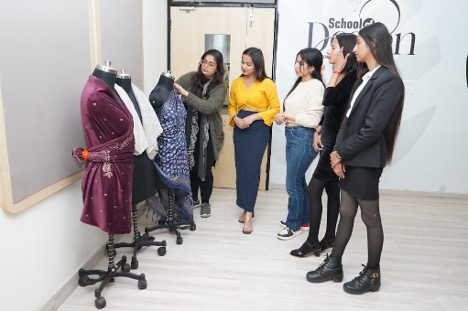
Manav Rachna

Career Pathways:

Graduates find employment opportunities with fashion designers, in-house design teams of textile mills, export houses, buying agencies, retail sector, design studios in the couture, bespoke and ready to wear segments for women, men and children.

Some of the notable employers are fashion designers Sabyasachi Mukherjee, Rajesh Pratap Singh, Ritu Beri, Gaurav Gupta, Amit Agarwal, Suket Dhir, Manish Arora, Rahul Mishra, Anita Dongre, Manish Malhotra, Abu Jani Sandeep Khosla, Tarun Tahiliani, Rohit Bal and others; export and buying houses such as Shahi Exports, Orient Craft, Span India, Modelama, Li & Fung, Triburg, and Impulse; retail sector employers include Reliance Retail, Raymond, Aditya Birla Fashion and Retail Ltd., Taneira, Landmark, TCNS, Pantaloons, Good Earth, Blackberry.

There are opportunities with textile mills with in-house design labels such as Arvind Ltd. and Raymond Ltd., and NGOs working in the crafts sector. E-commerce platforms like Amazon, Myntra, Ajio, Tata CLiQ and First Cry; trend forecasting companies such as WGSN and Patternbank, digital and virtual fashion design consultancies offer creatively challenging career options.
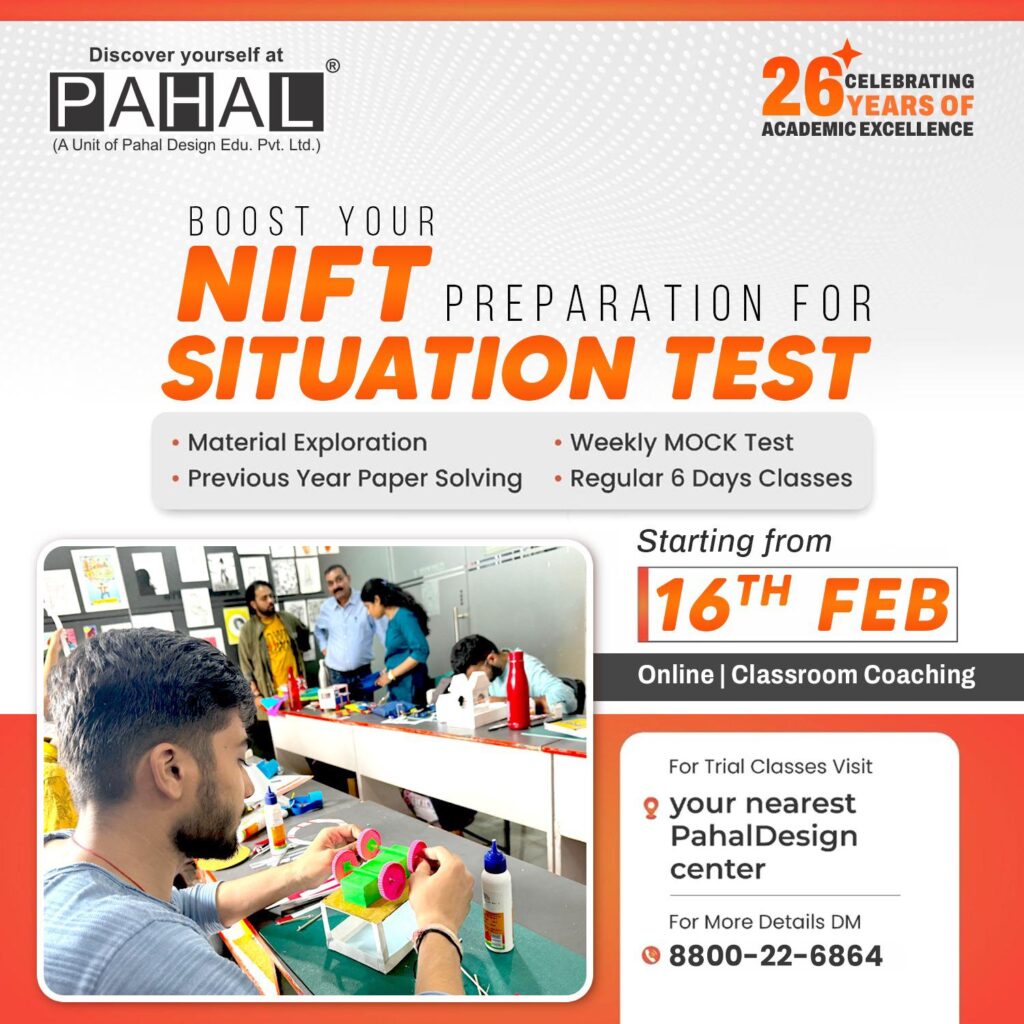

Description: Are you preparing for the NIFT Situation Test and feeling overwhelmed? 

When it comes to the National Institute of Fashion Technology (NIFT) entrance exam, the Situation Test is a key component that can make or break your chances of getting admission. This test evaluates your creative and problem-solving skills through a series of hands-on tasks. To ensure success, it is imperative to approach this test strategically. Here are some expert tips and techniques to help you master the NIFT Situation Test:

1. Time Management: The Situation Test is time-bound, so it’s essential to manage your time effectively. Plan your tasks wisely and allocate time for each task according to its complexity.

2. Read and Understand: Before diving into the tasks, take a few moments to carefully read and understand the instructions provided. Pay attention to details such as materials provided, theme or concept, and any specific requirements.

3. Brainstorm Ideas: Spend some time brainstorming ideas before starting the tasks. Think creatively and come up with innovative solutions that align with the given theme.

4. Focus on Execution: Once you have a clear idea of your approach, focus on executing the tasks with precision. Pay attention to details, craftsmanship, and presentation to create a visually appealing outcome.

5. Practice Regularly: Practice is key to improving your skills for the Situation Test. Try solving sample tasks, engage in hands-on activities, and refine your techniques to build confidence and expertise.

6. Seek Feedback: Don’t hesitate to seek feedback from mentors, teachers, or peers on your work. Constructive feedback can help you identify areas for improvement and fine-tune your skills.

7. Stay Calm and Confident: Lastly, stay calm and confident throughout the test. Believe in your abilities and trust your creative instincts to deliver a standout performance.

By incorporating these tips and techniques into your preparation strategy, you can maximize your chances of excelling in the NIFT Situation Test. Remember, practice, patience, and perseverance are key to mastering this crucial phase of the NIFT entrance exam. Good luck!

Schedule a free counselling session WhatsApp WhatsApp Enquiry