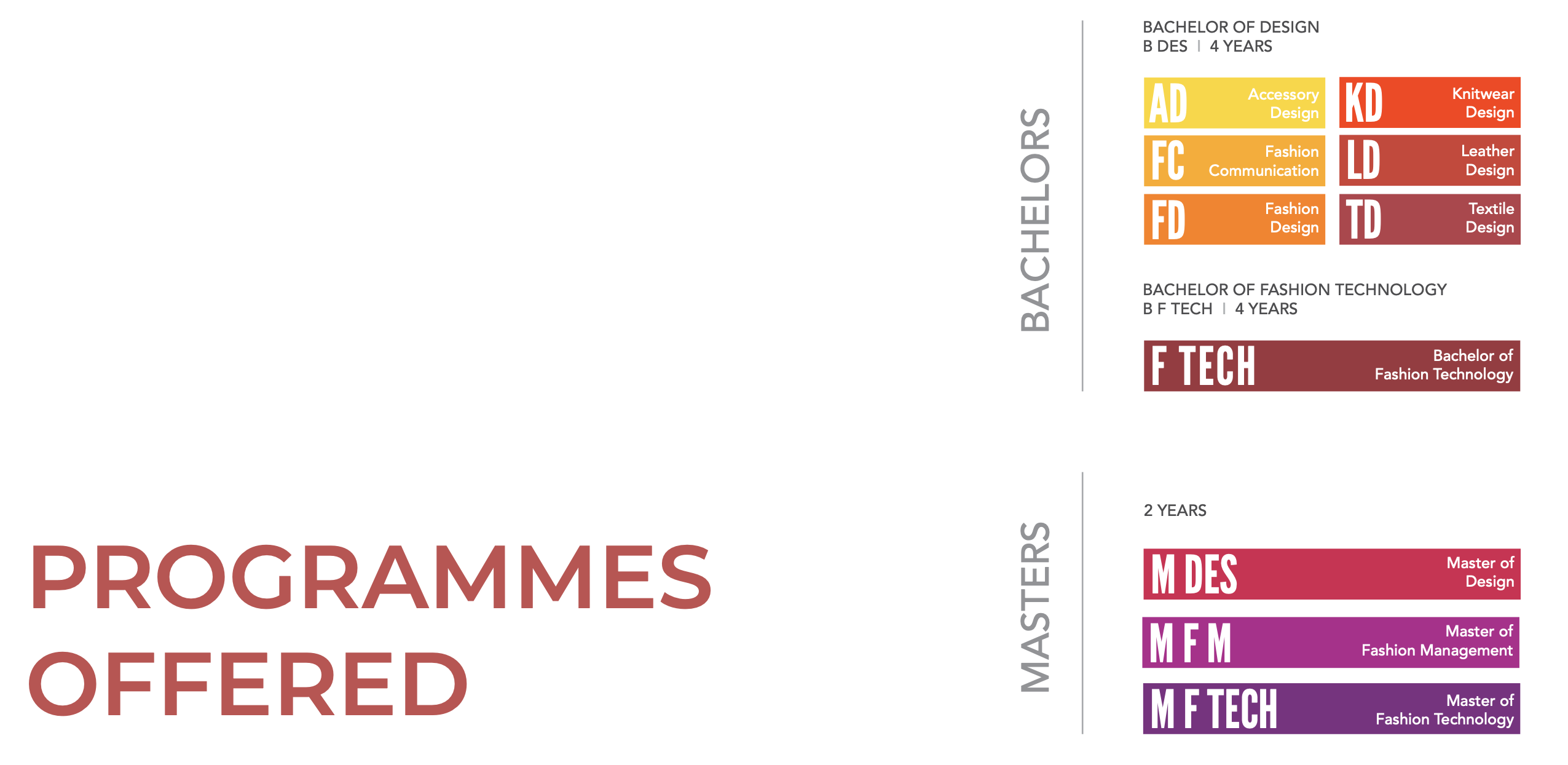
 The National Institute of Fashion Technology (NIFT) is recognized as the premier institute for fashion education that continuously evolves itself to keep abreast to the changing market trends. Set up in 1986, NIFT is the pioneering institute of fashion education in India and has been at the vanguard of providing professional human resources to the textile, apparel, and design industries through its 19 campuses. NIFT was made a statutory institute in 2006 by an Act of the Indian Parliament with the President of India as ‘Visitor’. The emphasis has been to train students to derive from the core strength of art and culture and apply it to the modern and dynamic world of fashion.
At NIFT, we are proud of the dynamic and motivated students who are mentored and supported to take on the challenges and opportunities that await them in the industry. The graduates of NIFT understand the nuances of fashion business spanning art, craft, technology, and strategy and have acquired the skill sets that will make them adapt to the growing needs of the industry.
Graduates of NIFT have been provided cutting-edge understanding through exposure to emerging challenges, developments, techniques, technology, and practices from all over the world. During their programme at NIFT, the students undergo a metamorphosis, unfolding their potential, developing skills, and stimulating intellectual growth. Their latent potential is honed by committed and skilled faculty drawn from academia and industry. We are aware of the fact that the fashion and design industries want professionals with multi-skill sets, and we have trained our students to match the requirements.
The campus placements provide a platform for graduating students from various disciplines of the two-year postgraduate and four-year undergraduate programmes to realize their professional dreams and ambitions and thus request the keen and sustained participation of employer organizations. NIFT graduates carry the energy, creativity, skill, technical know-how, and legacy of their predecessors to merge as valuable assets to the organizations that they are inducted into.
Industry Engagement
The new curriculum of NIFT attempts to give the student a rich repertoire of experience and understanding that will hopefully inculcate a desire and a capability for lifelong learning and will stand him or her in good stead in these disruptive times of change. Industry engagement is envisaged as a learning process that, by providing exposure to the students in a real-life working environment as part of an academic curriculum, helps them to develop and enhance academic, personal, and professional competencies coupled with a deeper understanding of the ethics and values that distinguish a good professional. A significant part of the engagement programme is based on the regulated exposure of the students to the industry environment as part of the course curriculum under the guidance of both academia and industry.
The revised curriculum structure of NIFT, which is arrived at through deliberations, workshops, and interactions involving internal experts, eminent academicians, industrialists, and alumni, is robust with enhanced industry engagement through
Interaction with industry leaders and alumni in the classroom
Sponsored classroom projects
Industry visits and craft sensitization
Exposure to exhibitions and fairs
Internships
Joint research endeavours
Hands-on, practical learning experience in an industry environment to be transacted within the curriculum structure. Critical to this new perspective would be the planning of Industry Engagements and scheduling them in coordination with the industries as per the requirement to transact the new curriculum in the UG & PG Programmes offered by NIFT and its campuses.
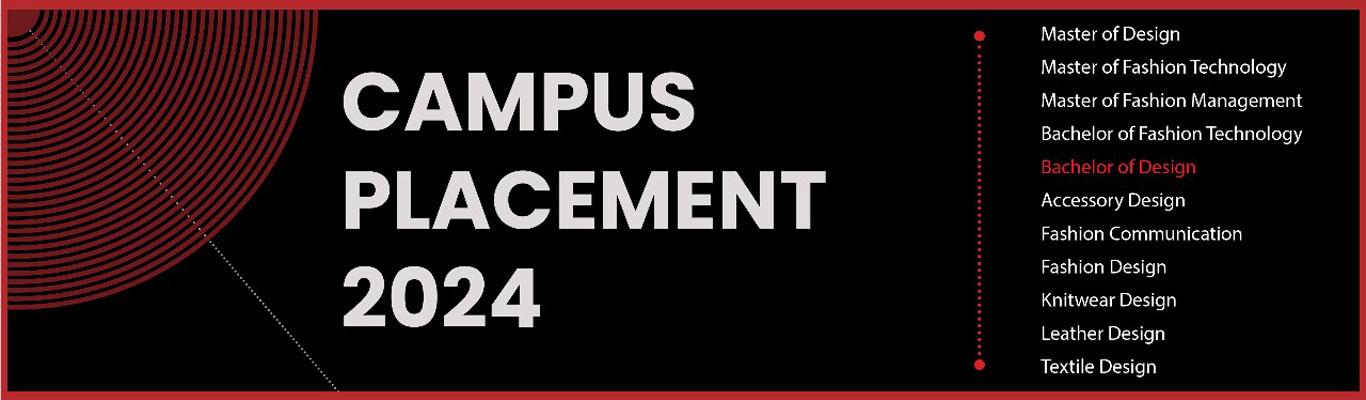
Placement Process at NIFT
The National Institute of Fashion Technology has a centralized placement process. Companies can employ students from any campus or course of the institute through two routes which are facilitated by the institute:
Pre-Placement Offers (PPO)
Companies can extend a pre-placement offer to students before the on-campus placement, which is considered as a job offer. These offers may be made on the basis of internships, training, or projects undertaken by the students at the said company. In order to provide a fair opportunity to all students, companies may inform NIFT of such offers by filling up the details in the CMS with the link provided to the industry mentor by NIFT. This would help us ensure students offered PPO are not allowed to participate in the further placement process.
On-Campus Placement (Phase 1)
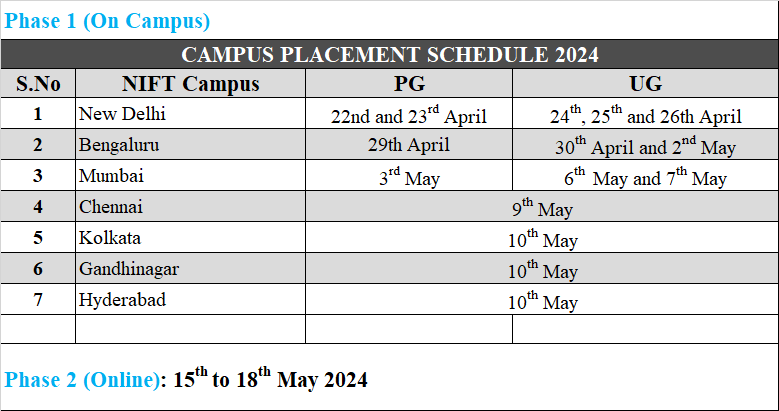
Companies can register for campus placements, the schedule of which is given for 2024. Upon being given a confirmed time and date, they may come to the campus for the placement procedure.
Off Campus Placement (Phase 2)
After the completion of on-campus placement, NIFT would facilitate off-campus placement in an online mode for those registered companies that could not be taken on board for the On-Campus Placement.
Eligibility Criteria for Firms for Campus Placements
A company registered under the Companies Act of 1956/2013 or a multinational company or global firm having or not having its operations in India, conducting business in the fashion, or allied sector dealing in the design, manufacturing, or distribution.
The phase 2 (online) of NIFT Delhi placement process will be held from May 15 to May 18, 2024. Meanwhile, NIFT placements do take place every year. NIFT Delhi placements brochure 2024 is available on the official website. According to students’ reviews, the placement rate recorded during BDes placements 2024 and in recent past was 99%. Further, the highest, average and lowest package offered during NIFT Delhi BDes placements 2024 stood at INR 12 LPA, INR 7 LPA and INR 4 LPA, respectively.
Earlier, according to unofficial sources, the NIFT Delhi highest package offered during placements 2022 stood in-between INR 12 LPA and INR 15 LPA. Further, the NIFT salary package offered during NIFT Delhi UG and PG placements 2022 stood at INR 4.50 LPA and INR 5.70 LPA, respectively. According to other online sources, NIFT Delhi students bag decent internships during the academic years wherein the stipend paid range from INR 5,000 to INR 7,000 per month.
| Particulars | Placement Statistics (2023) |
|---|---|
| UG average package | INR 4.50 LPA |
| PG average package | INR 5.70 LPA |
 “We are India’s leading institution in design, fashion, business, and media, and have been a catalyst for the success of students across creative industries for 27 years. We offer over 40 uniquely designed UG, PG and professional development programs through its campuses in Delhi, Noida, Jaipur, Mumbai, Bangalore (Launchingsoon) and Kolkata (Launching soon). Our reputation of preparing ‘Industry ready’ professionals has been recognized by leading fashion, retail and design brands, which has helped in establishing a healthy track record of over 95 per cent placement for the last 3 years. Our path-breaking alliances with renowned organizations such as the Fashion Design Council of India (FDCI), Association of Designers of India (ADI), and Institute of Indian Interior Designers (IIID) have ensured that its faculty and students get exclusive access to ‘industry in the classroom’. Awards: – Best private fashion college in India 5th consecutive year by India Today – MDRA, Outlook – Drshti and The Week – Hansa survey. – Best Design Institute in India’ by ASSOCHAM, 4 years in a row since 2016. – Only Indian institute to feature in Business of Fashion’s Top 25 Global Fashion School Rankings (Graduate) in 2017. – Recognized as a Great Indian Institute
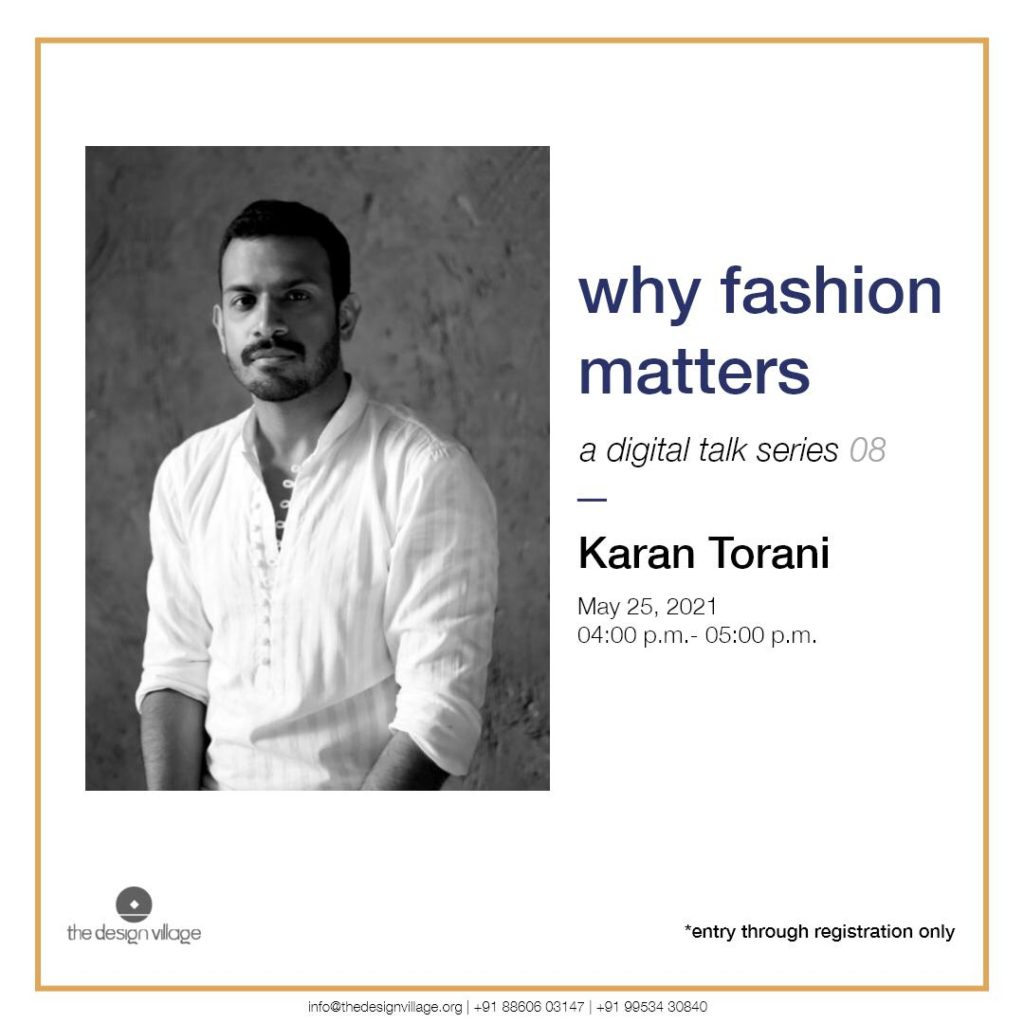 *Why Fashion Matters* spans Old Delhi charms in its *eighth edition*.


 Set up in 1986, NIFT is the pioneering institute of fashion education in the country and has been in the vanguard of providing professional human resource to the textile and apparel industry. It was made a statutory institute in 2006 by an Act of the Indian Parliament with the President of India as ‘Visitor’ and has full-fledged campuses all across the country. Over the years NIFT has also been working as a knowledge service provider to the Union and State governments in the area of design development and positioning of handlooms and handicrafts.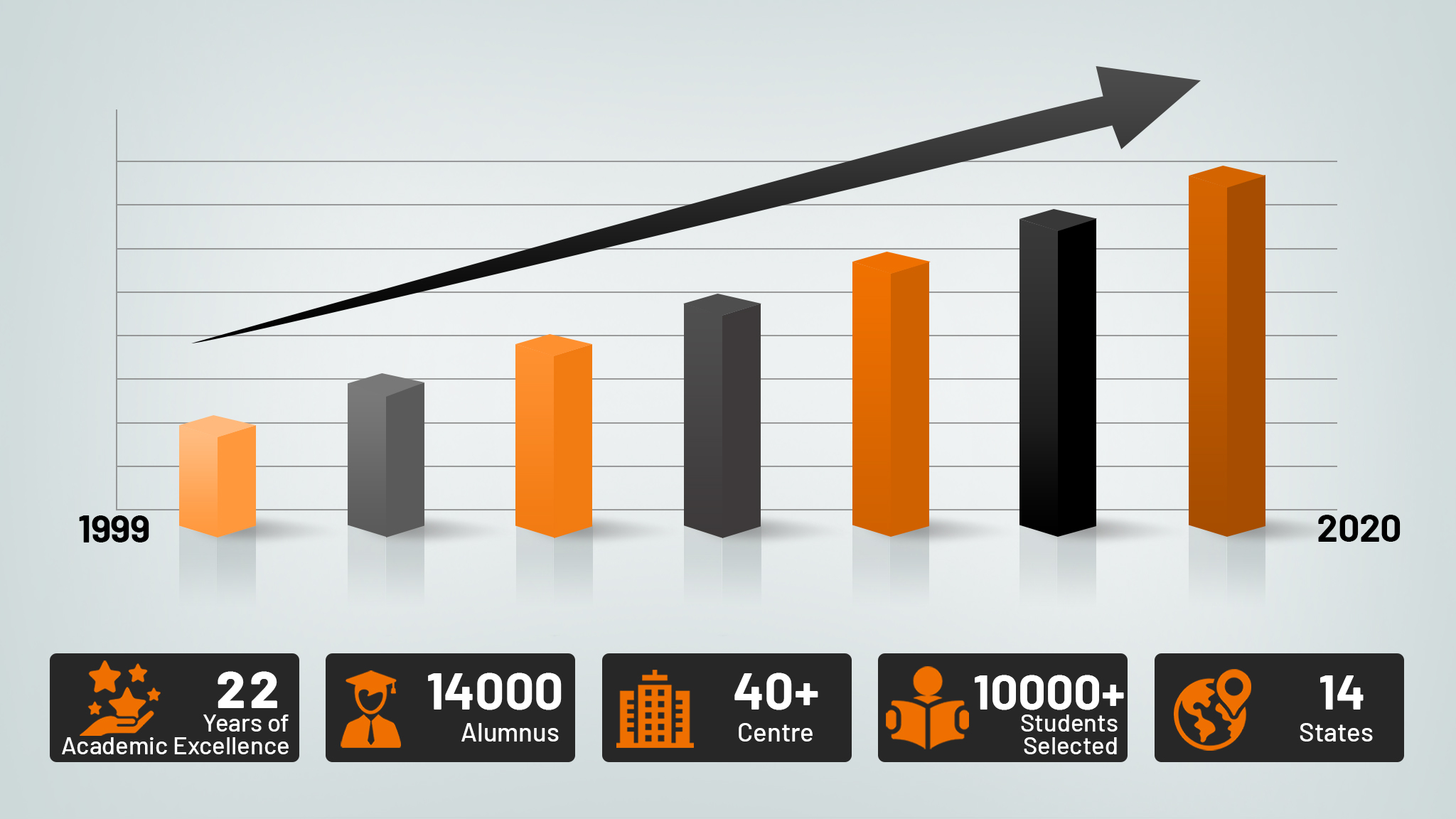
 meritorious NIFT students to obtain Dual Degree from both NIFT and FIT. Students from NIFT undertake two years study at the home Institute intercepted by one year of study at FIT. Thereafter, the students resume their studies at NIFT to obtain the Dual Degree from both the institutes.
 Graphic designers create visual concepts, using computer software or by hand, to communicate ideas that inspire, inform, and captivate consumers. They develop the overall layout and production design for applications such as advertisements, brochures, magazines, and reports.
 Important Instructions for candidate:
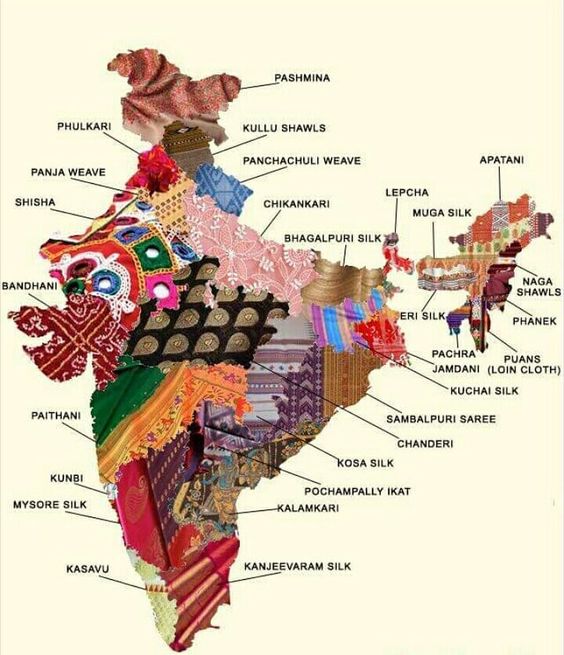 The Indian technical textiles sector has immense potential to grow both domestically as well as globally. Backed by government initiatives and support, India can emerge as a global manufacturing hub for technical textiles in the future.