*Admission information* for the academic year *2021* :

*Unitedworld Institute of Design (UID)* is one of the premier Design institutes of India. A constituent college of Karnavati University, we aim to create globally sought after professionals who can exhibit
their creativity and trigger novel trends.
UID’S pursuit for excellence has made its name gleam with
an extraordinary record of success in a short span.

_*Option # 1 ::*_

*Undergraduate Programs at Offer:*

UG (B. Design)
1) Product Design
2) Automobile and Transportation Design
3) Interaction Design
4) Fashion Design
5) Lifestyle Accessory Design
6) Visual Communication (Graphics)
7) Animation and Motion Graphics
8) Interior & Furniture Design

_*Fee Structure*_ :
Tuition fee of Rs. 2,25,000/- Per Semester * 8 Semesters
Total Fees = Rs 18.00 Lakhs

_*Option # 2 ::*_

*B.Design- Global Design Program*
Duration: It is a 4 Years full-time-degree course comprising of 8 semesters of 6 months each

_*Fee Structure-*_ Tuition fee = Rs. 3,50,000/- Per Semester * 8 Semesters
Total Fees = Rs 28.00 Lakhs

*Degree- B. Design

Course Breakup:

*Semester 1-*_ at UID Ahmedabad, India
*Semester 2_* – at UID Ahmedabad, India
*Semester 3-*_ at Swinburne University, Melbourne, Australia
*Semester 4-*_ at UID Ahmedabad, India
*Semester 5-*_ at Naba, Milan, Italy
*Semester 6-*_ at UID Ahmedabad, India
*Semester 7-*_ at Nottingham Trent University, United Kingdom
*Semester 8-*_ at UID Ahmedabad, India

_*Option # 3 ::*_

*INTEGRATION MASTER OF DESIGN (5 YEARS) PROGRAMME*
Duration: It is a 5 Years full-time-degree course comprising 10 semesters of 6 months duration each.
Programme Highlights:
Two qualifications in one i.e. B. Design and M. Design. Unique and differentiated graduate profile

_*Fee Structure*_ :
Tuition fee = Rs. 2,25,000/- Per Semester * 10 Semesters
Total Fees = Rs. 22.50 Lakhs

_*Option # 4 ::*_

*Post Graduate Program* :

_*PG (M. Design)*_
1) Industrial Design
2) Visual Experiential Design
3) Interior and Experience Design
4) Fashion Design
5) Fashion Styling and Communication
6) Textile and Knitwear Design

_*Fee Structure*_ :
Tuition fee = Rs. 2,00,000/- Per Semester * 4 Semesters
Total Fees = Rs. 8,00,000/-

In case of further information you can reach our Admission Team at *9821-651-399 | 9910-60-9749

Join Exclusive Crash Course Batch at Pahal Design. Starting from 15th April onwards….

  1. About my city , my graduation, 1 year break what all i did , NIFT centre i would prefer?
  2. I am from product design background that’s why questions revolved around my graduation
  3. Introduce yourself.
  4. From where u do your graduation.
  5. Why MFM.
  6. Why not M.Des.
  7. Academic Background.
  8. Famous textile of my state.
  9. How will i contribute to NiFt.
  10. The impact of covid-19.
  11. they also asked about my backup plans and MFM subject or the jobs they are providing
  12. Tell me about yourself
  13. How would you relate your graduation to mfm?
  14. What do you understand my marketing communication?
  15. What is the role of a brand manager?
  16. And some graphic related questions since I am from graphic design background
  17. How will your graduation help in your master’s
  18. what you did your gap year
  19. According to you what is f fashion
  20. Why we select you
  21. Which college?
  22. Tell us about MFM
  23. Why NIFT
  24. Why the change in subjects( I was a science student then pursued BA and Fashion now) asked 2-3 questions regarding the same
  25. Where does the clothes I wear go
  26. Why do I want to enter such field which has proven to mass production of waste
  27. If not NIFT then what
  28. What will you do if not selected
  29. What is Fast fashion and how was it affected the industry
  30. What is sustainable fashion
  31. What all members does the fashion industry comprise of who according to you is the most important in that?
  32. What is demand and supply?
  33. How is MFM different from MBA?
  34. What are the 2 changes you’d like to bring in the fashion industry?
  35. What all members does the fashion industry comprise of who according to you is the most important in that?
  36. my strength and weakness
  37. why 1year was dropped
  38. 4 qualities of yours
  39. Explain with example
  40. subjects of MFM
  41. curriculum of MFM
  42. which subject you are interested and why
  43. where did you do your ug
  44. Why did you join NGO?
  45. What are you most excited about in this course?
  46. Do you know anything about …….craft cluster in Delhi?
  47. What is your back up plan?
  48. Why entrepreneurship
  49. How you take this MFM course to your business
  50. About merchandise
  51. About vendor management
  52. About logistics and transportation
  53. About cost of analysis
  54. Principles of Management
  55. About my internship head
  56. Best thing about working there
  57. And other related question
  58. Change in marketing strategies post covid
  59. Views about boycotting chinese products
  60. Future plans in career
  61. What are the challenges you would face while start up
  62. What is your side of fashion
  63. What type of company you want to be?? Aspire to be?


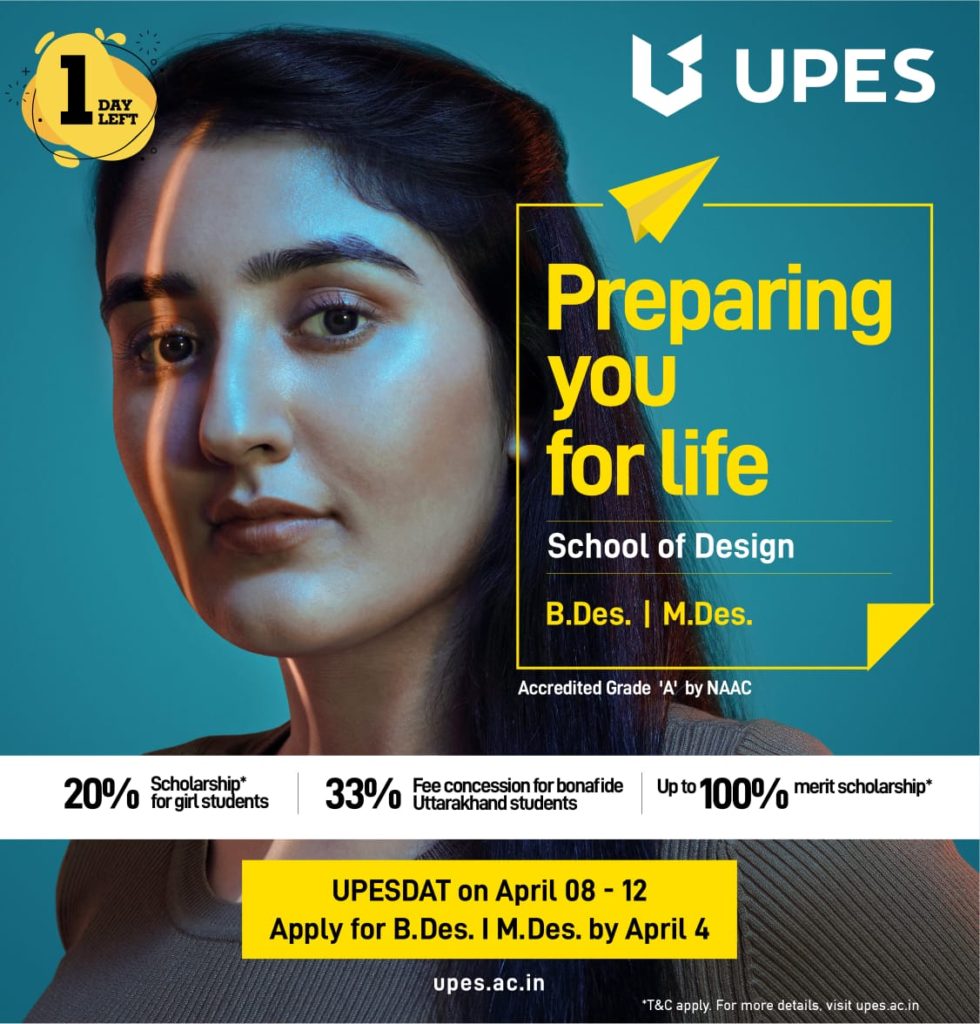
Dear All,

Please find below the process flow for ready reference with the timelines

  • Exam mode and Portfolio presentation & Interview  will be online only with slot to be booked by student themselves.
  • Exam duration(1 hour) .
  • Last date to apply for this is 4th April, 2021


  Exam Pathway
Program Date Process To Do Mode


B.Des/ Integrated (B.Des) – (M.Des)/ M.Des

8th- 12th April UPESDAT
  • Applicant will book the Exam date as per their choice –Link will be sent via SMS and Emails to applicants (applied through Exam) on 31st March,2021.
  •  Demo Test link will be sent to each candidate two day prior to their test
  • Test Window will be from 10:00 Am to 1:00 Pm (duration of 60 Mins from time of login)


Online

13th April UPESDAT Result
  • Result will be communicated to all appeared applicants along with Link to book interview (for qualified applicants) will be communicated through sms
  • Slots will be available from 15-18 April
  • Timings will be 09Am – 06 Pm
15th- 18th April Portfolio Presentation & Interview
  • Candidate will be contacted at least an hour before interview for final instructions and coordination
  • Each candidate have to share Portfolio with coordinator and should be ready with pencil and paper when giving interview and presenting his/her portfolio
20th-21st April Results
  • Will be announced on UPES website and will be communicated through SMS


  Non- Exam Pathway (Board Merit/ UCEED/NIFT/NID/ CEED(M.Des)
Program Date Process TO Do Mode
B.Des/ Integrated (B.Des) – (M.Des)/ M.Des 8th- 10th April Portfolio Presentation & Interview
  • Book your interview date –Link will be sent via SMS and Emails to applicants (applied through Non Exam) on 31st March,2021.
  • Slots will be available from 08-10 April Timings will be 09Am – 06 Pm
  • Candidate will be contacted at least an hour before interview for final instructions and coordination
  • Each candidate have to share Portfolio with coordinator and should be ready with pencil and paper when giving interview and presenting his/her portfolio
Online


20th -21st April Result
  • Will be announced on UPES website and will be communicated through SMS


NIFT Situation Test 2019

NIFT Situation Test 2019 Questions on Day 1

1. Design a headgear inspired by one of the following:

●  Mythological character

●  Underwater creature

●  Aliens

2. Design kids’ play area inspired by any one:

●  Panchtantra tales

●  Cartoon characters

●  Puzzles

NIFT Situation Test 2019 Questions on Day 2

1. Design a trophy for any of the following:

●  Best gamer

●  Best kitchen gardener

●  Best sailor

2. Design a diary for:

● Sportsperson

● Fashion Designer

NIFT Situation Test 2019 Questions on Day 3

1. Design an equipment bag for one of the following:

●  Makeup artist

●  Painter

●  Photographer

2. Design a toy for 8 to 10-year-old kids to motivate them to study:

● Science

● Maths

● Arts

NIFT Situation Test 2018

Candidates can go through the questions asked along with material provided on different days of NIFT Situation Test 2018 below.

NIFT Situation Test 2018- Day 1 Questions

Q1. Design a modern display unit for-

  1. Fruits and vegetables shop
  2. Toy shop
  3. Cosmetics and perfume shop

Q2. Redesign a workspace for-

  1. Potter
  2. Florist
  3. Ironing man/woman

Material Provided:

  • Mount board
  • Aluminum foil
  • Needle & thread
  • Transparent sheet
  • Pins
  • Green/blue and red clay
  • Beads
  • Colour paper thick (Blue and red)
  • 6 Ice cream sticks
  • 6 Long sticks
  • Cloth
  • Thick Sheets
  • Foil paper

NIFT Situation Test 2018- Day 2 Questions

Q1. Design a scene for any one option-

  1. Ramayana or a folk tale
  2. A fairy tale
  3. A Panchatantra story

Q2. Redesign the workplace of any one-

  1. Tea vendor
  2. Doctor
  3. Vegetable vendor

Material Provided:

  • Mount board
  • Aluminum foil
  • Needle & thread
  • Transparent sheet
  • Pins
  • Green/blue and red clay
  • Beads
  • Colour paper thick (Blue and red)
  • 6 Ice cream sticks
  • 6 Long sticks
  • Cloth
  • Thick Sheets
  • Foil paper

NIFT Situation Test 2017

Candidates can go through the questions asked along with material provided on different days of NIFT Situation Test 2017 below.

NIFT Situation Test 2017- Day 1 Questions

Q1. Create an indoor games room for a kindergarten/nursery.

Q2. Design a cart for a disabled person. 

Q3. Create a Flower Vase with creative flowers on the theme “Storm”.

Material Provided:

  • Fabric
  • Al Wire
  • Thermocol (9″ × 9″)
  • Mount Board
  • Ivory sheet
  • Tracing paper
  • Straws
  • Needle & thread
  • Coloured sheets in 4 colours – blue, yellow, pink and red
  • Cardboard (10″ ×10″)
  • All pins
  • Newspaper
  • Corrugated sheet
  • Thermocol balls

NIFT Situation Test 2017- Day 2 Questions

Q1. Make a Dhaba keeping in mind the local culture.
Q2. Make a badge for “save environment” for 22nd century.
Q3. Make a bag for a doctor who is also a first time mother.

Material Provided:

  • Mount board
  • Thermocol
  • Ivory sheet
  • Fabric
  • Thread
  • White sheet
  • Cardboard
  • Gateway sheet
  • Wire (1 m)
  • All pins
  • Needle
  • One packet of thermocol balls
  • Pastel sheets in blue, red, yellow and black colour

NIFT Situation Test 2017- Day 3 Questions

Q1. Make a wind chime for a sailor’s home.
Q2. Make a park bench for senior citizens that is inspired by nature.
Q3. Show a kitchen according to family’s lifestyle.

Material Provided:

  • Fabric
  • Al Wire
  • Thermocol (9″ × 9″)
  • Mount Board
  • Ivory sheet
  • Tracing paper
  • Straws
  • Needle & thread
  • Coloured sheets in 4 colours – blue, yellow, pink and red
  • Cardboard (10″ ×10″)
  • All pins
  • Newspaper
  • Corrugated sheet
  • Thermocol balls

NIFT Situation Test 2016

Candidates can go through the questions asked along with material provided on different days of NIFT Situation Test 2016 below.

NIFT Situation Test 2016- Day 1 Questions

Q1. Create an installation for differently abled

Q2. Make a fashion accessory inspired by a wind creature

Q3. Create an educational toy for KG students

Material Provided:

  • Cardboard
  • A4 sheets in white, red & gray
  • Gateway sheet A4
  • Transparency sheet A4
  • White thread & needle
  • Coloured rubber bands
  • Quilling paper strips in all colours
  • Gray crepe paper
  • Wire
  • Straw pipes

NIFT Situation Test 2016- Day 2 Questions

Q1. Prepare a model to depict a shoe for the 22nd century.

Q2. Create a store window of a fashion product.

Q3. Prepare a model of a cafè at the venue of a car rally.

Material Provided:

  • Cardboard
  • A4 sheets in white, red & gray
  • Gateway sheet A4
  • Transparency sheet A4
  • White thread & needle
  • Coloured rubber bands
  • Quilling paper strips in all colours
  • Gray crepe paper
  • Wire
  • Straw pipes

NIFT Situation Test 2016- Day 3 Questions

Q1. Create a model of a futuristic bus stop

Q2. Design a bag inspired from an underwater creature

Q3. Create a model of a futuristic telephone

Material Provided:

  • Cardboard
  • A4 sheets in white, red & gray
  • Gateway sheet A4
  • Transparency sheet A4
  • White thread & needle
  • Coloured rubber bands
  • Quilling paper strips in all colours
  • Gray crepe paper
  • Wire
  • Straw pipes

NIFT Situation Test 2015

Candidates can go through the questions asked along with material provided on different days of NIFT Situation Test 2015 below.

NIFT Situation Test 2015- Day 1 Questions

Q1. Make a model on-

  1. Wind energy
  2. Garbage re-cycle
  3. Water conservation

Q2. Make a device for-

  1. A Gardner
  2. A Newspaper Boy
  3. A Tea Vendor

Material Provided:

  • Mount board
  • Copper wire and cloth
  • Colored transparent sheet (blue and yellow)
  • A4 sheet (blue yellow white)
  • Kite paper
  • Buttons
  • Straw
  • Cotton
  • Thermacol A4
  • Thread and needle
  • All pins
  • Thermacol balls
  • Bandage
  • Ice cream stick
  • Plastic scrubber
  • Glitter
  • Plastic ball
  • Ribbon

NIFT Situation Test 2015- Day 2 Questions

Q1. Make a model on-

  1. Save girl child
  2. Make in India
  3. Corruption eradication

Or

Q2. Make a replica of –

  1. Pooling booth
  2. Toll booth
  3. Bus stand

Material Provided:

  • Mount board
  • Copper wire and cloth
  • Colored transparent sheet (blue and yellow)
  • A4 sheet (blue yellow white)
  • Kite paper
  • Buttons
  • Straw
  • Cotton
  • Thermacol A4
  • Thread and needle
  • All pins
  • Thermacol balls
  • Bandage
  • Ice cream stick
  • Plastic scrubber
  • Glitter
  • Plastic ball
  • Ribbon

NIFT Situation Test 2015- Day 3 Questions

Q1. Make a memento on:

  1. Polio eradication
  2. Voting
  3. Best teacher

OR

Q2. Make a model on child labour.

Material Provided:

  • Mount board
  • Copper wire and cloth
  • Colored transparent sheet (blue and yellow)
  • A4 sheet (blue yellow white)
  • Kite paper
  • Buttons
  • Straw
  • Cotton
  • Thermacol A4
  • Thread and needle
  • All pins
  • Thermacol balls
  • Bandage
  • Ice cream stick
  • Plastic scrubber
  • Glitter
  • Plastic ball
  • Ribbon

NIFT Situation Test 2015- Day 4 Questions

Q1. Make a memento on-

  1. Poet
  2. Environmentalists

OR

Q2. Make an innovative tool for:

  1. Car cleaning
  2. Tea vendor

Material Provided:

  • Mount board
  • Copper wire and cloth
  • Colored transparent sheet (blue and yellow)
  • A4 sheet (blue yellow white)
  • Kite paper
  • Buttons
  • Straw
  • Cotton
  • Thermacol A4
  • Thread and needle
  • All pins
  • Thermacol balls
  • Bandage
  • Ice cream stick
  • Plastic scrubber
  • Glitter
  • Plastic ball
  • Ribbon

NIFT Situation Test 2014

Candidates can go through the questions asked along with material provided on different days of NIFT Situation Test 2014 below.

NIFT Situation Test 2014- Day 1 Questions

Q1. Make a 3D model to promote any of the following-

  1. Wind Energy
  2. Garbage Recycling
  3. Water Conservation

Q2. Make the replica of any one of the following-

  1. Post Office
  2. Polling Booth
  3. Nursery School

Write 60 words (approx.) about your 3D model.

Material Provided:

  •  2 sheets
  • Ivory sheets
  • All pins
  • Cardboard
  • Rubber band
  • Copper wire
  • Toothpicks
  • 3 coloured sheets of different colours
  • 1 newspaper
  • Sparkle tube
  • Straw
  • Thread
  • Needle
  • Masking tape
  • Cotton ball

NIFT Situation Test 2014- Day 2 Questions

Q1. Make a product to make life easier for-

  1. Gardener
  2. Railway potter
  3. Newspaper boy

Q2. Make trophy or souvenier for-

  1. Best teacher on annual day
  2. Polio eradication

Explain your 3D product in 60 words approximately.

Material Provided:

  •  2 sheets
  • Ivory sheets
  • All pins
  • Cardboard
  • Rubber band
  • Copper wire
  • Toothpicks
  • 3 coloured sheets of different colours
  • 1 newspaper
  • Sparkle tube
  • Straw
  • Thread
  • Needle
  • Masking tape
  • Cotton ball

NIFT Situation Test 2014- Day 3 Questions

Q1. Make a product to

  1. Control deforestation
  2. Water harvesting
  3. Fashion jewelley display window

Material Provided:

  • 2 sheets
  • Ivory sheets
  • All pins
  • Cardboard
  • Rubber band
  • Copper wire
  • Toothpicks
  • 3 coloured sheets of different colours
  • 1 newspaper
  • Sparkle tube
  • Straw
  • Thread
  • Needle
  • Masking tape
  • Cotton ball

NIFT Situation Test 2014- Day 4 Questions

Q1. Create a mask inspired by any one of the below mentioned topics-

  1. Nature
  2. My clean metro rail

Q2. Create a medal inspired by any one of the topics mentioned below-

  1. Miss Universe
  2. Vintage car rally
  3. Mother’s Day

Material Provided:

  •  2 sheets
  • Ivory sheets
  • All pins
  • Cardboard
  • Rubber band
  • Copper wire
  • Toothpicks
  • 3 coloured sheets of different colours
  • 1 newspaper
  • Sparkle tube
  • Straw
  • Thread
  • Needle
  • Masking tape
  • Cotton ball

NIFT Situation Test 2013

Candidates can go through the questions asked along with material provided on different days of NIFT Situation Test 2013 below.

NIFT Situation Test 2013- Day 1 Questions

Q1. Design a 3D model promoting any one of the following-

  1. Total Literacy
  2. Teacher’s Day
  3. Polio Eradication

Q2. Design workplace of any one of the following-

  1. Painter
  2. Nurse
  3. Cobbler

Material Provided:

  • Crepe Paper (A4 size)
  • Cloth Paper (A4 size)
  • Mount Board (A4 size)
  • 6 Straw
  • Newspaper
  • Rubber band
  • Thumb pins (plastic tops)
  • Dori white (1 m)
  • Golden wire (1m)
  • Cotton
  • Plastic scrubber
  • Newspaper
  • 6 Toothpick

Explain you work in 60 words.

NIFT Situation Test 2013- Day 2 Questions

Q1. Using the material mentioned below construct a 3D representation of a design of a purse for any of the below mentioned occasions-

  1. Fashion Show
  2. Picnic
  3. Marriage

OR

Q2. Create a doll for any one of the below mentioned topics-

  1. Conserve environment
  2. World peace
  3. Water consumption

Write a caption and elaborate about the concept.

Material Provided:

  • 6 Straws
  • 6 Candy sticks
  • 6 Rubber bands
  • 6 Board pins
  • Corrugated sheet (A4 size)
  • Tissue paper
  • Cloth paper
  • Cotton roll
  • Newspaper
  • Ribbon (1 m)

NIFT Situation Test 2012

Candidates can go through the questions asked along with material provided on different days of NIFT Situation Test 2012 below.

NIFT Situation Test 2012- Day 1 Questions

Q1. Design and construct any one of the following-

  1. Fashion show ramp 
  2. Polling booth 
  3. Circus

Q2. Utility tool for a-

  1. Bus conductor
  2. Newspaper vendor
  3. Postman 

Explain your choice of question and model in 100 words.

 Material Provided:

  • Pastel sheet (A4 size)- Red, Yellow, Blue, Green
  • Spiral binding spring
  • Corrugated sheet (A4 size)
  • Cloth paper
  • 8-10 Straws 
  • 8-10 Ice cream sticks 
  • 8-10 Thumb pins 
  • 8-10 Rubber bands 
  • Clay (1 full pack)
  • Cotton roll
  • Mountboard
  • Newspaper

NIFT Situation Test 2012- Day 2 Questions

Q1. Design a ladies handbag.

OR

Q2. Design a memento for Art Festival.

 Material Provided:

  • Cardboard paper
  • Colour paper
  • Straws
  • Cello tape
  • Wire

NIFT Situation Test 2011

Candidates can go through the questions asked along with material provided for NIFT Situation Test 2011 below.

Q1. Design any one of the following and give a write up 50 words.

  1. Entrance gate for a marriage ceremony
  2. Traffic junction
  3. Memento for brotherhood in sports/ Health for all/ protection of environment

Material Provided:

  • Cardboard (A4 size)
  • Ivory sheet (A3 size)
  • Pastel sheet (A4 size)- Red, Yellow, Green, Blue
  • 6 Straws
  • 6 Ice Cream
  • 4 Thumb Pins
  • 4 Rubber Band
  • Cotton Gift Paper (Jute packet to carry sweets)
  • Plasticine Clay (One full packet)
  • Ribbon of 2 colours (1m each)
  • kA small plastic string

NIFT Situation Test 2009

Candidates can go through the questions asked along with material provided for NIFT Situation Test 2009 below.

Q1. Design any one of the following

A) lady’s purse on any one of the following-

  1. Marriage ceremony
  2. Picnic
  3. Fashion show

OR

B) A doll on any one of the following-

  1. Water conservation
  2. Environment Politics

Material Provided:

  • A4 size cardboard
  • A4 size corrugated sheet
  • 6 Straws
  • 6 Ice cream sticks
  • Ribbon-1m (orange in color)
  • 6 Rubber bands
  • 6 Thumb pins
  • One cotton roll (medium size)
  • 2 sheets of newspaper
  • One tissue paper

Dear Parent/Student,

Greetings for the Day!

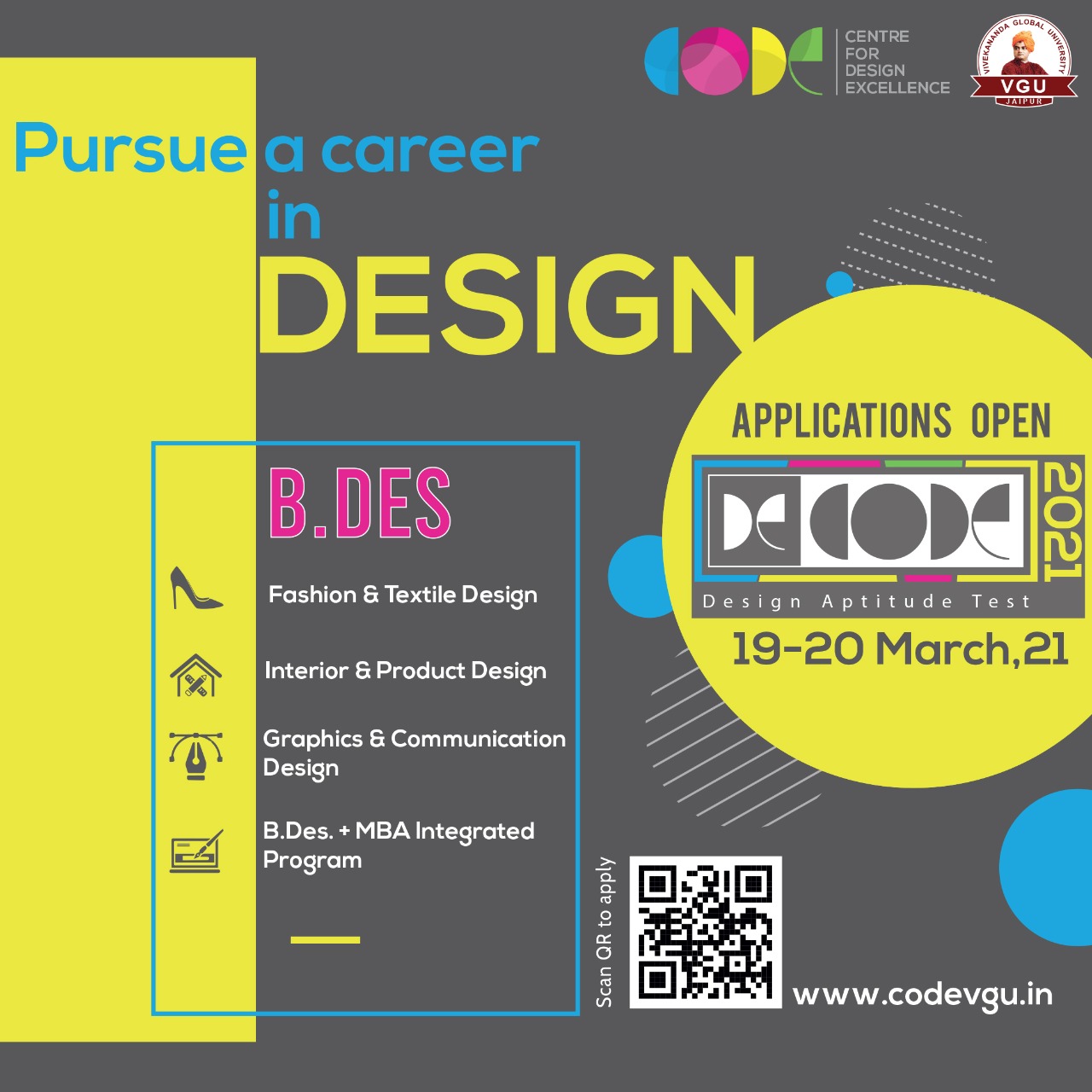
Excellence is a way of life and believing in the true strength of the design profession to create a futuristic India we take the privilege to introduce you to CODE-VGU.

Admissions for the Session 2021 are open now for Undergraduate and Postgraduate Programmes at Centre for Design Excellence (CODE), Vivekananda Global University, Jaipur.

CODE – A Forum for learning and experiencing various domains of Design and Architecture is created by professionals and academicians from all across INDIA. We are a constituent body of Vivekananda Global University (VGU), Jaipur (Established by Rajasthan State Assembly Act 11/2012 and covered under 2(f) of UGC ACT, 1956).
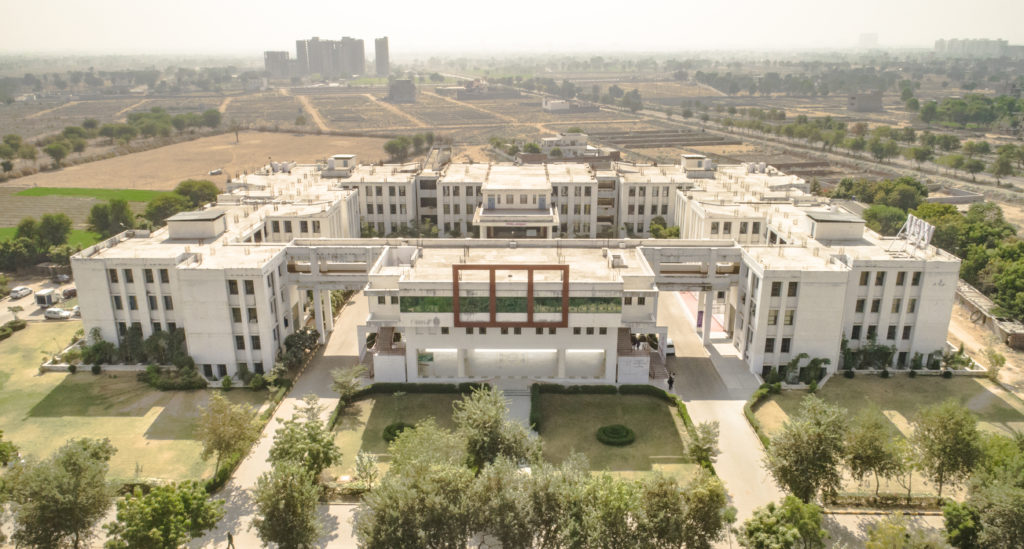
Hosted at VGU campus, recognized as a “Great place to Study in India” by FORBES , CODE boasts of advanced labs and individual mentorship based degree programs.

The Institute offers Under-Graduate and Post-Graduate Programs in:

1. B.Arch. (recognized by COA, India)

2. B.Des. (Recognized by UGC) with specialization in
a. Fashion & Textile Design (FTD)
b. Interior & Product Design (IPD)
c. Graphic & Communication Design (GCD)
d. B.Des + MBA (5yr Integrated Program)

3. M.Des.
a. Sustainable Design
b. UX Design

4. M. Plan
5. PhD

At CODE, we understand that the field of designers cannot be restricted to the 6-8 hours of teaching learning regime. VGU provides a well planned campus along with on-campus fully furnished hostel facility for outstation students.

So, before you say YES to join the fascinating field of design, do visit www.codevgu.in and experience a redefined Design Education.

To know more about CODE-VGU, pls speak to your centre incharge or book a counseling session with academicians from CODE.

Thanking you!

Regards,
Team CODE

Application link:
https://vgu.ctpl.io/?source=PAHAL

1. Draw a scenery showing you attending online class while showing your sibling is distracting you with reference to the figure ( it was a door slightly opening ) – 15 Marks
2. We had to make a comic strip of knots and crosses being characters from the game tic tax toe in 6 stages with dialogues – 6 Marks
3. there was a picture of a black sphere in the desert with clouds and we had to make a short story of it in 3 stages without adding any elements or changing the setting. 9 Marks
4. Anti bullying poster making . 15 Marks
5. Instruction manual on how to make a cup of tea. 15 Marks

NMD-
1). Choose 3 options from list of old media to new media and depict transition through visual narration the transition.
I choose, Book->Ebooks, Music-> Spotify, journalism->blogs

2). Design a robot for bank to help consumers with token generation, queries etc in 3 frame.

3). Draw a dynamic logo for a mobile phone Company.

4). Design a transmedia campaign for Consumer Rights Awareness

FVC-
1). Write a dialogue b/w you and your fren formulating your argument on Three Farm laws
2). Depict a scene visually through words of a student stuck in traffic at junction while getting late for exam
3). Write a story on a person stuck in house alone in lockdown, and how insecurities/fears are rising

Product design-

1st question design a product for storage of vaccines to have temperature of 2-5°.

2nd draw a poster for vaccination
3rd draw a composition of you taking a selfie with your smart phone ,
4th Show a story board of conversation between charger and phone.
5th design an AU electronic product to help and assist old people
There was one more question which I can’t recall right now..

Interaction Design –

1) Draw a headphone showing volume change and song change feature,.

2) poster design on healthy lifestyle during pandemic

3) content of above to be shown in SMS, Public space etc

4) draw a headphone in the same design language as that of a Radio shown in figure

5) Design a lamp for millennials and receive it’s features


Fashion and Animation tops comparative student enrollment within design. Animation is growing at a very fast rate primarily for two reasons. The first reason is establishment of animation as a viable career option and second being the abundance availability of animation education in cities of all sizes. Similarly for Fashion Design it is the availability of instruction in this area in all geographies. Fashion and Animation has seen a tremendous growth in urban and semi urban areas where institutes are offering certificate and diploma courses ranging from 3 months duration to 2 years. Many of these institutes are franchises of major institutes. Fashion Design is offered as a 3 year / 4 year Bachelors Degree program by many universities and is also offered as a 3 year diploma course post 10 years of school education.

The Indian design education system offer diverse programs choices at all levels such as certificate, diploma, under graduate and post graduate programs. However most of the post graduate programs are essentially after-graduate programs. This means that at the post graduate level instead of offering instruction that is advanced in nature as compared to under graduate level, instruction offered is similar in content to under graduate programs. The eligibility for admission to these post graduate programs
is “any graduation”. Hence the post graduate program does not build on the knowledge acquired by the student during under graduate studies. Rather it starts with fundamentals of design and cover the under graduate program content in two years. Barring a few exceptions such as the Industrial Design Centre of IIT, Bombay and the Centre for Environmental Planning and Technology (CEPT), Ahmedabad there are virtually no PhD programs in the field of design.

Indian Fashion Industry

  • The current size of Indian fashion industry stands at around US$ 58 million (2008), is largely unorganized & accounts for barely 0.3 per cent of the international industry’s net worth.
  • However, the industry is one of the fastest changing and most dynamic industries in the world today. With Indian consumer becoming more fashion conscious, it is the gigantic Indian fashion consuming public that will continue to set the growth trends for its fashion industry.
  • The Industry is expected to more than double & reach US$ 150 million by 2012.
  • The Industry is expected to create additional employment opportunities for over 50,000 skilled professionals like fashion designer, merchandiser etc by 2012.
  • Major disciplines of the industry include —fashion design, textile design, leather design, accessory and jewellery design.
    From our survey, out of the total number of designers working in the country, this discipline accounts for nearly 1%.
    According to our survey more than 3000 students are being enrolled into these courses.
  • One of the institution has more than 100 centers across India as franchised centres. There are others also offering training franchises in these disciplines.
  • Some of the challenges being faced by the Industry include dearth of literature on Indian fashion and textiles, industry is still mostly unorganized, less number of designers developing signature styles which is essential to develop brand.

Fashion Design

  • Fashion design is an applied art dedicated to clothing and lifestyle accessories created within the cultural and social influences of a specific time.
  • Fashion designers need to combine their creativity with managerial skills to sustain in the industry.
  • A trained fashion designer can work in areas like designer wear production, planning and concept management, fashion marketing, design production management, fashion media, quality control, fashion accessory design and promotion of brands.

Q. How was the NIFT 2021 Exam? Was it lengthy, difficult or moderate? What’s your analysis of the exam?

The paper pattern of NIFT B.des entrance paper didn’t see any changes. The paper format and the number of questions were in accordance with the announced NIFT exam pattern with the difficulty levels being moderate, all in all the paper was quite doable for any consistent student. There were six passages, each passage of around 120-150 words, they were small and weren’t time consuming in reading, however comprehending was more on an inference-based questions, which was little tricky for the students. Student with a good reading habit will surely find it easily doable. the topic based was on varied subjects, ranging from opera, music and art fair, aquatic animal to weirdest profession, other section of English was easy to moderate, the easiest being to identify the plural form, same was with one-word substitution and to identify the correct spelt word, idioms and phrase was moderate and same with antonyms and synonyms

Reasoning had mix of topics like Assertion and reason, puzzles which was little time taking but doable, other topics of cubes, series, Odd ones out, blood relations, directions, coding decoding, ranking & positioning could be attempted carefully.

Quantitative on the other hand saw all major topics covered from number system to ratio & proportion, SI, CI, profit & loss, work time, mixtures & allegations, etc.

The General knowledge segment was moderately easy with questions which has question three questions from brands, two questions on noble prize and four questions from static GK everything that we have been recommending and mentoring for found its presence in the exam. It will be fit to say that there were no surprises.

GAT section was not at all lengthy , 100 questions could be comfortably attempted in allotted time .If all the sections were attempted properly any score above 65-70/100 could be easily achieved

Q. Creative Ability Test is conducted to judge the Design Ability and Creativity of the student. Out of the three questions asked in the NIFT exam, which one required the most efforts and was the easiest?

Analysis of question is very important and also its imperative to understand what the examiner wants , In CAT this year too there were three questions to attempt. Two were from visual communication and the third was a creative product representation based.

Question No 1: “Design a virtual space for Webinar”.
This was for some tricky but at the same time a little brain storming could have gave students edge, as everyone is now well versed with EdTech platforms like Zoom ,Google meet ,Go to meeting etc. thanks to COVID 19 , we all had learning /interactions/meetings on these

platforms ,the question demanded to design a hypothetical digital meeting / learning platform and not the one that already exist as question was not on Re-design ,it was altogether about design a new interface display ,wherein student had the liberty to coin new brand ,slogan as well as its logo altogether. Reading the question properly and inferring it, was the key , as some students even ended up drawing a physical recording studio for webinar. That’s why it’s not about “How you draw’ but it’s all about “what you draw “

Q2: Design Emojis for the following:
(a) see you again (b) I don’t know (c) good morning (d) good night (e) sh…

It was again a visual communication question, where emojis for different communication has to be designed, one need to be very particular and avoid drawing the same circular shaped emoji, instead define, what is emoji ,it’s basically a visual which interpret a message or a communication , many of students would have interpreted it only as emoji face , which is very conventional.

This was the most easiest question in CAT but at the same time your creativity is being judged ,
how much you think “ out of the box”

Q3: choose any musical instrument and depict any four festivals each in a given box.

The challenge in any design exam is “ what you interpret” from the question.
There was clear instructions to innovate, design, change shape, colour, pattern of the instrument. Students were confused as to whether they had to choose one instrument and interpret it for four different festivals differently or four different instruments has to be used for each festival separately. Since the instrument could be completely renovated in terms of its
shape and form as well, it would be very interesting to see one instrument take four completely different forms. Ideally musical instrument is classified by the method of producing sound i.e. . Wind instrument, stringed instrument , percussion instrument etc . so ideally the question demands using a musical instrument type for different festivals, so if you choose string instruments then it could be guitar, violin, sitar and harp for different festival.

Knowledge on musical instrument as well as festival was the key , this question can be a decider for range of marks the students are expecting in their CAT part.

Q. Which were the toughest sections in the NIFT 2021 General Ability Test (GAT)?
Students found quantitative section tough as compared to other sections in GAT, this year the questions were more on application based rather than on implied basis, it was little time taking as one need to apply their understanding of the topic. Questions were from average, percentage, time & speed, S.I & C.I, Profit & loss, Ratio proportion and Number system.

Q. Was there anything unexpected in the NIFT Entrance Exam? If yes, then what was it?

Not at all, there was nothing unexpected as such, it was in line with what NIFT had notified in their notification

Q. How should students prepare for the Situation Test? What are important aspects they must keep in mind?

After student clears the CAT and GAT exam (CAT 50% and GAT 30%) weightage is given to this test, NIFT situation test is conducted (20% weightage). It is to evaluate the candidate’s skills for material handling and innovative ability in a given situation with a provided set of materials. Candidates must know how to crack NIFT situation test as their admission also based on the performance in the situation test which is the final round of the admission process. A total of 3038 seats across Bachelor of Design (B.Des.) programmes will be offered admission to the
shortlisted candidates across the across 16 campuses of the NIFT institute.

The following are the key to do for NIFT Situation test.
1- Make yourself familiar with materials, materials could be anything that you usually find
at your home i.e. Plastic (bags, bottles, packaging, utensils), Cloth fabrics, strings ( jute, rubber bands, plastic etc.) ,scarp metals, needles & threads ,different papers etc
2- Always learn and practice in group especially in classroom , as there will be lots and lots
of brainstorming ,boosting your ideations and creativity
3- Exchange thoughts, ideas with your mentor and also be very open to learning.
4- Explore unconventional use of materials, handling them effectively and productively is something requires time, so start your Situation test preparation early.

Its very important to acknowledge that situation test will definitely a key to boost up the ranking, and getting top NIFT Campus is altogether based on your ranking. even a small difference in marks , creates a wide gap in the ranking . so take the situation test very “ SERIOUSLY “

Q. According to you, when must a NIFT aspirant start preparing to get the best results?

Start early, stay ahead with your strategy and make a Strategic plan to get an edge over others. Successful are those who knows what they are meant for, where is their interest & which field they are passionate about. Once you make yourself clear that your goal is to pursue art &
design as a career devise productive time management strategies with a view of acing the NIFT
exam with good rank.

Ideally it is recommended that one should start preparation at high school level , but do not assume it to be mandatory , as NIFT exam is all about your ability to effectively execute your ideas and creativity in a piece of paper ,so first identify your existing skill set and what level you need to take these skill sets to score good ranking in exam . as your school grades are not indicator of these skill sets , so it becomes imperative for NIFT aspirants to choose a mentor & guide, who would actually identify your skill set and at the same time hone up the your own set of competencies.

 

Introduction

India’s textiles sector is one of the oldest industries in the Indian economy, dating back to several centuries.

The industry is extremely varied, with hand-spun and hand-woven textiles sectors at one end of the spectrum, while the capital-intensive sophisticated mills sector on the other end. The decentralised power looms/ hosiery and knitting sector forms the largest component in the textiles sector. The close linkage of textiles industry to agriculture (for raw materials such as cotton) and the ancient culture and traditions of the country in terms of textiles makes it unique in comparison to other industries in the country. India’s textiles industry has a capacity to produce wide variety of products suitable for different market segments, both within India and across the world.

Textile design comprises both surface design and structural design and textile designers usually handle embroidery designs, print, weave and texture.
The courses focus on elementary ergonomics, textile fibers, color, composition, and basic textile design for weaving and printing. They also teach dyeing techniques, printing methods, sewing techniques, and construction of fabrics and surface design. These programs helps one understand all the intricacies of production, in order to find innovative solutions.
Textile designers work in garment manufacturing companies, fashion designing agencies, textile manufacturers, retail world, export houses or work as freelancers.

The textile and apparel industry is one of the earliest industries to have developed in India. Its inherent and unique strength is its incomparable employment potential owing to the presence of the entire value chain from fibre to apparel manufacturing within the country. It is the biggest employer after agriculture and provides direct employment to 4.5 crore people and another 6 crores in allied sectors. India needs to generate jobs that pay well, provide social protection to workers, support efficient production for export markets, and hold the potential for social transformation. The textile industry meets all these criteria.

India is the second-largest manufacturer of textiles and clothing in the world. India is also the second-largest exporter of textiles and apparel with a share of 5% of global trade. Exports of textile and clothing products, including handicrafts, from India have slightly increased to US$ 40.4 billion during the year 2018–19 from US$ 39.2 billion during 2017–18, registering a growth of 3%. However, India’s global share is way behind that of China, which has approximately 38% of the global textile and clothing trade. The share of textile and clothing in India’s total exports stood at 12% in 2018–19. With 48% total textile and apparel export, EU-28 and the United States are India’s major textile and apparel export destinations.

India has a very strong raw material base both in natural and manmade fibres (MMFs). India has emerged as the largest producer of cotton in the world with a production of 370 lakh bales in 2017–18 and the second-largest exporter of cotton. However, high contamination level and poor quality of fibre, both in fineness and length, are major concerns that need focused attention.

India has a strong presence in global exports of cotton yarn. Vietnam has increased its global export share of cotton yarn from 5% in 2012 to 15% in 2016. China and Bangladesh are the largest importers of cotton yarn from India, who in turn creates value addition to the yarn and then exports the same at a lower cost compared to India. India needs to upgrade its position from a supplier of cotton yarn to a producer of value-added fabrics and garments. As the world export value of cotton yarn has decreased over the years, it is an indication that the cotton textile trade is shifting towards different types of fibre such as MMF.

While India leads in cotton yarn exports, it has been a very marginal player when it comes to cotton fabric in world exports. China has a substantial share of 51% in cotton fabrics when compared to India’s 5%–6%; the situation is almost the same in case of MMF fabrics. This comparison suggests that India is not able to scale up the value chain significantly enough to meet the global demand despite being the largest producer and exporter of cotton yarn.
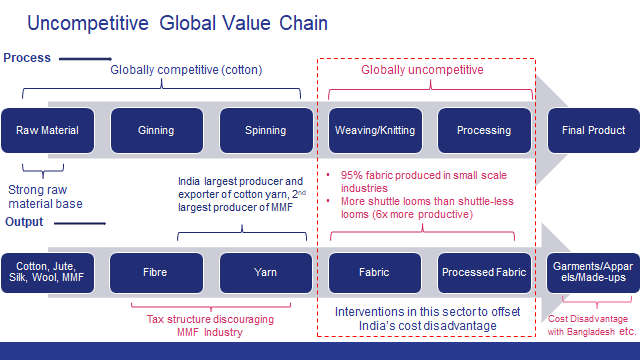
Approximately 95% of the weaving sector in India is unorganized in nature. The decentralized power loom and hosiery sector contributes 85% of total fabric production. The processing segment is also dominated by a large number of independent, small-scale enterprises. Since, the weaving/processing sector in India is dominated by small-scale enterprises, it has challenges such as inadequate know-how, low focus on research, innovation in new product development and low technology upgradation. Further, low productivity and automation levels also remain one of the biggest woes for the weaving industry. Due to these factors, the overall performance of fabric production in India is getting dampened. The weaving sector still remains one of the weakest links of the Indian textile and apparel industry.

India has one of the largest installed production bases in the world in weaving sector but at the same time it uses old technology with low productivity and quality levels. In terms of technology adoption in the weaving sector, India has only 2% share in global shuttle-less looms (i.e. modern looms) installed capacity. The cost of production in India also goes up due to poor technology levels and low scale of operations, as 95% of the weaving sector in India is unorganized and in small scale. India also lacks the presence of large fabric manufacturers when compared to China and the US.

In order to make the textile industry competitive, industry needs to focus on investing in technology upgradation and expand weaving capacity to scale-up operations. To ensure rapid transformation of the weaving sector in India, under Amended Technology Upgradation Funds Scheme (ATUFS) of the Government of India, the weaving sector may be considered to get capital subsidy at par with garmenting and technical textiles. At present, the weaving sector is getting subsidy at 10% subject to cap of 20 crore under ATUFS, whereas for garmenting and technical textiles, subsidy is provided at 15% subject to cap of 30 crore. For creating few global champions in weaving sector in India, the Government of India may consider providing some enhanced subsidy under ATUFS, for select players, purely on outcome basis. Further, state governments should aggressively promote infrastructure and provide plug and play parks for the industry. Lands should be allotted in such parks for long-term lease. The supply of uninterrupted quality power at fixed price for a tenure of 15 years may also be considered in these parks. To ensure rapid scaling up of business, state governments should provide all the approvals in place, including the provision of CETPs/ZLD, as per need basis, in these parks.

The weaving sector is the backbone of the textile industry. On the one hand, promoting the weaving industry gives impetus to the domestic spinning industry and on the other, it makes our garment’ sector globally more competitive. With focused interventions in this sector, we might enhance its performance in terms of more investment, employment generation and export earnings.

Market Size

India’s textiles industry contributed 13% of the industry production in FY20. It contributed 2.3% to the GDP of India and employed more than 45 million people in FY20. The sector contributed 12% to India’s export earnings in FY20.

Textiles industry has around 4.5 crore employed workers including 35.22 lakh handloom workers across the country.

Cotton production in India is estimated to have reached 35.7 million bales in FY20.

The domestic textiles and apparel market stood at an estimated US$ 100 billion in FY19.

The production of raw cotton in India is estimated to have reached 36.04 million bales in FY20^. During FY19, production of fibre in India stood at 1.44 million tonnes (MT) and reached 1.60 MT in FY20 (till January 2020), while that for yarn, the production stood at 4,762 million kgs during same period.

Investment

The textiles sector has witnessed a spurt in investment during the last five years. The industry (including dyed and printed) attracted Foreign Direct Investment (FDI) worth US$ 3.45 billion from April 2000 to June 2020.

Government Initiatives

Indian government has come up with several export promotion policies for the textiles sector. It has also allowed 100% FDI in the sector under the automatic route.

Initiatives taken by Government of India are:

  • Government launched production linked incentive scheme to provide incentives for manufacture and export of specific textile products made of man-made fibre.
  • On September 2, 2020, the Union Cabinet approved signing an MOU between textile committee, India and M/s Nissenken Quality Evaluation Centre, Japan, for improving quality and testing Indian textiles and clothing for the Japanese market. This India-Japan pact on cooperation in textiles will facilitate Indian exporters to meet the requirements of Japanese importers as per the latter’s technical regulations.
  • Under Union Budget 2020-21, a National Technical Textiles Mission is proposed for a period from 2020-21 to 2023-24 at an estimated outlay of Rs. 1,480 crore (US$ 211.76 million).
  • In 2020, New Textiles Policy 2020 is expected to be released by the Ministry of Textiles.
  • CCEA approved mandatory packaging of foodgrains and sugar in jute material for the Jute Year 2019-20.
  • In September 2019, textiles export witnessed a 6.2% increase post GST as compared to the period pre-GST.
  • The Directorate General of Foreign Trade (DGFT) has revised rates for incentives under the Merchandise Exports from India Scheme (MEIS) for two subsectors of Textiles Industry – readymade garments and made-ups – from 2% to 4%.
  • The Government announced a special package of US$ 31 billion to boost export, create one crore job opportunity and attract investment worth Rs. 80,000 crore (US$ 11.93 billion) during 2018-2020. As of August 2018, it generated additional investments worth Rs. 25,345 crore (US$ 3.78 billion) and exports worth Rs. 57.28 billion (US$ 854.42 million).
  • The Government of India has taken several measures including Amended Technology Up-gradation Fund Scheme (A-TUFS), estimated to create employment for 35 lakh people and enable investment worth Rs. 95,000 crore (US$ 14.17 billion) by 2022.
  • Integrated Wool Development Programme (IWDP) was approved by Government of India to provide support to the wool sector, starting from wool rearer to end consumer, with an aim to enhance quality and increase production during 2017-18 and 2019-20.
  • The Cabinet Committee on Economic Affairs (CCEA), Government of India approved a new skill development scheme named ‘Scheme for Capacity Building in Textile Sector (SCBTS)’ with an outlay of Rs. 1,300 crore (US$ 202.9 million) from 2017-18 to 2019-20. As of August 2019, 16 states signed pacts with the Ministry of Textiles to partner with it for skilling about four lakh workers under the scheme.

Achievements

Following are the achievements of the Government in the past four years:

  • As of 2019, 348 technical textiles products were developed according to Bureau of Indian Standards (BIS).
  • I-ATUFS, a web-based claims monitoring and tracking mechanism was launched on April 21, 2016. 381 new block level clusters were sanctioned.
  • Under the Scheme for Integrated Textile Parks (SITP), 59 textile parks were sanctioned, out of which, 22 have been completed.
  • Employment increased to 45 million in FY19 from 8.03 in FY15.

Road Ahead

The future for the Indian textiles industry looks promising, buoyed by strong domestic consumption as well as export demand. With consumerism and disposable income on the rise, the retail sector has experienced a rapid growth in the past decade with the entry of several international players like Marks & Spencer, Guess and Next into the Indian market.

High economic growth has resulted in higher disposable income. This has led to rise in demand for products creating a huge domestic market.


Jaipur

Address:- 2nd Floor, F 18, Gautam Marg, Vaishali Nagar, Jaipur, Rajasthan -302021
Contact Person: Mr. Aman and Mr. Akbar
Contact No: 97721-99911, 0141-6656509
Email: jaipur@pahaldesign.com

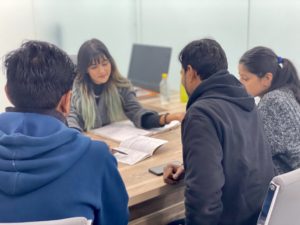
There are many Design Coaching in Jaipur but if we need to find out the best coaching classes, with best learning experience then Pahal Design comes with 22 Years of academic excellence and more than 40 centres across India including all the metros. (New Delhi, Mumbai, Bengaluru, Kolkata, Pune, Ahmedabad, Gurgaon, Jaipur, Lucknow, Dehradun, Chandigarh, Bhopal, Indore, Patna, Ranchi, Kanpur and many more other cities). Now Pahal Design is in Jaipur at Vaishali Nagar for Design, Architecture and Fine Arts Coaching. If any students are looking for Design, Fashion, Architecture and Fine Arts Coaching or any guidance related to Design Colleges then we have Free Guidance for all Design Students.
The design industry in India is growing at a staggering rate of 23 to 25 per cent annually – it’s an indicative of the qualitative change you find in the look and feel of consumer goods. Industry insiders believe that greater spending power and changing needs of consumers are responsible for the boom in the design industry. “People today are spending more money. From the interiors of their flats to the products they buy, all consumers are looking for that extra value-add. There is this new emphasis on vanity. The culture is shifting and design is a reflection of that shift.” With brand positioning and identity the new buzzwords, industries that form the designer’s client base are a lot more aware about design and its importance.

There are some sectors within the industry that have seen a higher growth of interest than others – animation, graphics, apparel, textiles, automotive, product and software interface design to name a few. This interest has also translated into a greater demand for industrial and communication designers.

Currently, India needs 8,000-10,000 designers a year, while overall availability of qualified designers is only 3,000. To make matters worse, only 500 of these 3,000 are said to be practicing designers. There is a reason why your new car is better looking than your last and why your refrigerator seems more functional than the one you had before. 

Design can transform the way we do things, and result in new economic benefits and a better quality of life. The strategic nature of design helps solve problems in ways that are functionally and aesthetically pleasing and make economic sense. Design helps to improve quality and differentiation, offer world class products and services, improve business efficiencies, productivity and margins, increase revenues and achieve higher market share and accelerated growth.

The design industry lags behind other professional services domains in numerical terms when looked at in terms of turnover and number of employees. Architecture, Interior, Animation / New Media, Fashion Design are leading domains within the design industry. Other segments are far behind at present. However with the change in the economic scenario, design domains such as graphic design, industrial design, human computer interaction are growing at a fast clip. The number of design companies is growing as also there is growth in existing companies. There is a good trend of designers opting to start their own setup. Hence most companies existing today are new. The existing companies are consolidating further by adding more services to their portfolio within diverse design disciplines.

India is a large market and at the same unique as well. There is no such thing called as a thumb rule which can describe Indian market or consumers. They vary in cultures, traditions, religions, customers, food, dressing, etc. At the same time the Indian consumer is becoming more demanding and is asserting himself / herself to get his / her aspirations satisfied.

Multinational corporations are focusing on India as a new market for trading their products / services. They understand that successes elsewhere may not necessarily translate in a similar way in India. They will need to understand the market, the sensibilities of the people and respond to them through their offerings. Global corporations will need to work with Indian designers to understand the local market.



To better understand the Indian consumer, to meet the needs and aspirations of this assertive, active, enlightened consumer, Indian businesses and multinational corporations will need to take assistance from Indian designers. This puts a spot light on the design industry as never before.

 
Jaipur

Address:- 2nd Floor, F 18, Gautam Marg, Vaishali Nagar, Jaipur, Rajasthan -302021
Contact Person: Mr. Aman and Mr. Akbar
Contact No: 97721-99911, 0141-6656509
Email: jaipur@pahaldesign.com

Schedule a free counselling session WhatsApp WhatsApp Enquiry