Important Instructions for candidate:

  1. Reporting Time:Log-in to the Zoom meeting link given below, at least 15 minutes prior to the Online Interview Time indicated above.
  2.  Zoom Link: 
    Meeting ID: 
    Meeting Password: 

DO NOT disclose or share the above particulars with anyone else as it is assigned exclusively to you for the Online Interview.

Follow the simple steps given below to easily join the Online Interview Session via Zoom Meeting link:

  • Well before the Online Interview date, download the zoom app and create your own registered zoom account using the registered email address. If you already have a zoom account, then this step is not necessary. 
  • 15 minutes prior to your reporting time Click on the link given above.
  • Enter your Meeting ID and Meeting Password
  • Join the Meeting (Online Interview) and follow the instructions given by the proctor who will authenticate you for the Online Interview session
  • Be patient even if it takes a few minutes for the Online Interview to start after the authentication process is completed
  • You will be continuously monitored by the proctor through the mic and webcam (audio-video) during the entire Online Interview session.
  1. Online Verification by the Proctor:The verification process before you are allowed for Online Interview will involve the following steps:
    • Verification of your face through the webcam.
    • In case your face does not match with the photo uploaded by you with your application at the time of registration; you will not be allowed to join the Online Interview.
    • We request you to be patient and cooperative as this is an extremely important process; and your Personal Interview will only start once your identity is authenticated.

THOROUGHLY READ THE FOLLOWING DOs and DON’Ts FOR CANDIDATES:

  1. Ensure to have a stable internet connection for uninterrupted online Interview experience.
  2. Ensure to have a desktop/laptop with web cam and mic, or any smart phone.
  3. Ensure that you are suitably dressed for the Online Interview even though you are appearing for the same from your home.
  4. Ensure that items such as mobile phone, recording device, electronic gadgets, etc. are not kept with you during the entire Interview process.
  5. As soon as the proctor authenticates your candidature after satisfactory completion of the verification process, you will be allowed for the interview:
    1. You are not allowed to connect any extended screen/projector along with the system being used by you during the interview process.
    2. There should be sufficient light in the room you choose to take the interview from, so that your face and surroundings are clearly visible.
  • Usage of any reference material in any form would lead to disqualification from the Interview.
  1. Ensure that you are the only person in the room during the Interview and there is no disturbance.
  2. At any point of time during the Interview, you could be asked to turn your laptop/ webcam/ mobile phone for a 360-degree view of your surroundings.
  3. Any attempt by you at malpractice and/or recording of the Interview will lead to cancellation of your Interview, disqualification of your candidature and legal implications, thereof.
  • Appropriate civil/criminal proceedings will be instituted against the candidates attempting to record the online interview.
  1. Request for change of Online Personal Interview date or time will not be entertained. 
  2. Information regarding discrepancies, if any, regarding your particulars in this call letter must be emailed to nift@applyadmission.net promptly for verification at our end well before your online Personal Interview date.

For any further updates contact us at 8800-22-6864 or mail us at corporate@pahaldesign.com

Are you ready for personal interview of NIFT MFM/MDes/M.FTech Like last year,NIFT has announced to conduct Personal Interview only for MFM/MDes/MFtech program due to Pandemic . Now let’s understand what is PI round for NIFT Master program. It is all about judging candidate’s over all personality, Knowledge about Industry and his keen interest in respective course for which She/He has been shortlisted. To understand and get an idea about PI ,Join Mock PI session with PAHAL DESIGN in order to robust your preparation for NIFT PI round. Book your slot -> Also Call 📞880022-6864

NIFT Personal Interview Questions 2020

1. Why you want to do MDES/MFM/MFTECH from NIFT?

2. Why didn’t you choose MBA over MFM?

3. Please Introduce yourself?

4. From where you did your graduation ?

5.How will your graduation help in your master’s

6.What is your understanding about Vendor Management ?

7. What is principle of management?

8. What is famous textile of your state?

9. How will you contribute to NIFT?

10. What type of company you want to get into?

SWOT ANALYSIS OF TEXTILE INDUSTRY IN INDIA

Strengths:


  1. Indian Textile Industry is an Independent & Self-Reliant industry.
  1. Abundant Raw Material availability that helps industry to control costs and reduces the lead-time across the operation.
  2. Availability of Low Cost and Skilled Manpower provides competitive advantage to industry.
  3. Availability of large varieties of cotton fibre and has a fast growing synthetic fibre industry.
  4. India has great advantage in Spinning Sector and has a presence in all process of operation and value chain. 
  5. India is one of the largest exporters of Yarn in international market and contributes around 25% share of the global trade in Cotton Yarn.
  6. The Apparel Industry is one of largest foreign revenue contributor and holds 12% of the country’s total export.
  7. Industry has large and diversified segments that provide wide variety of products.
  8. Growing Economy and Potential Domestic and International Market.
  9. Industry has Manufacturing Flexibility that helps to increase the productivity.

Weaknesses:


  1. Indian Textile Industry is highly Fragmented Industry.
  1. Industry is highly dependent on Cotton.
  2. Lower Productivity in various segments.
  3. There is Declining in Mill Segment.
  4. Lack of Technological Development that affect the productivity and other activities in whole value chain.
  5. Infrastructural Bottlenecks and Efficiency such as, Transaction Time at Ports and transportation Time.
  6. Unfavourable labour Laws.
  7. Lack of Trade Membership, which restrict to tap other potential market.
  8. Lacking to generate Economies of Scale.
  9. Higher Indirect Taxes, Power and Interest Rates.

Opportunities:


  1. Growth rate of Domestic Textile Industry is 6-8% per annum.
  1. Large, Potential Domestic and International Market.
  2. Product development and Diversification to cater global needs.
  3. Elimination of Quota Restriction leads to greater Market Development.
  4. Market is gradually shifting towards Branded Readymade Garment.
  5. Increased Disposable Income and Purchasing Power of Indian Customer opens New Market Development.
  6. Emerging Retail Industry and Malls provide huge opportunities for the Apparel, Handicraft and other segments of the industry.
  7. Greater Investment and FDI opportunities are available.

Threats:


  1. Competition from other developing countries, especially China.
  1. Continuous Quality Improvement is need of the hour as there are different demand patterns all over the world.
  2. Elimination of Quota system will lead to fluctuations in Export Demand.
  3. Threat for Traditional Market for Power loom and Handloom Products and forcing them for product diversification.
  4. geographical Disadvantages.
  5. International labour and Environmental Laws.
  6. To balance the demand and supply.
  7. To make balance between price and quality.

Textile Industry Concerns


  1. Indian Textile Industry is highly fragmented Industry that is lead by several small-scale industries. Because of this, there is lack of Industry Leadership. These small companies do not have fiscal resources to invest in technological up-gradation and they are not able to generate economies of scale. This leads to inability to establish a world-class competitive player.
  2. Despite many policies Industry is bound with historical regulations that are reason for Complex Industry Structure.
  3. Though Industry has cheap and skilled manpower but they are less productive. 
  4. Industry is unable to generate economies of scale, as a result, it is tough to balance the demand and supply equation.
  5. There is lack of technological up-gradation in various steps of value chain that affect the quality, cost and distribution.
  6. There are high Costs like, High Indirect Taxes, Power and Interest Rates.
  7. Inadequate Research & Development.
  8. There is less FDI in this industry that is hurdle to make industry more competitive on global basis.
  9. Industry has unfavourable labour Laws.
  10. India has disadvantage in terms of Geographic Locations. Because of this there is Global Logistic Disadvantage as shipping cost is higher.
  11. There is uneven supply chain model and inbound freight traffic is low which affects cost of shipping.
  12. India lacks in various trade memberships, which restrict to tap potential market.
  13. Inappropriate energy supplies to rural and sub-urban areas.
  14. Industry needs to compete on the basis of Price, Quality and Delivery for the different segments.

TEXTILE INDUSTRY KEY FACTS


  1. Indian Textile Industry is one of the largest and oldest industry in India.
  2. Indian Textile Industry is highly fragmented industry; at the same time it is an independent and self-reliant industry that has shown sustainable growth over the years.
  3. Indian textile Industry is valued at US$ 36 Billion with exports of US$ 17 Billion in 2005-2006.
  4. Indian Textile Industry is second largest industry in terms of providing vast employment opportunities and employs around 35 million people in country after agriculture sector..
  5. The Indian Textile Industry plays vital role in economic development and contributes 14% to industrial production in the country. 
  6. Textile Industry contributes around 4% of GDP, 9% of excise collections, 18% of employment in industrial sector, and has 16 % share in country’s export.
  7. Industry has direct and strong linkage with rural and agriculture sector, therefore it is estimated that, one of every six households in country is directly or indirectly dependent on this industry.
  8. Industry contributes around 25% share in the world trade of cotton yarn.
  9. India is evolved as a major contributor in world’s cotton sector. Indian is the world’s third-largest producer of cotton and second-largest producer of cotton yarns and textiles.
  10. India is the largest exporter of yarn in the international market and has a share of 25% in world cotton yarn export market.
  11. India contributes for 12% of the world’s production of textile fibers and yarn.
  12. Indian textile industry is second largest after China, in terms of spindle age, and has share of 23% of the world’s spindle capacity.
  13. India has around 6% of global rotor capacity.
  14. The country has the highest loom capacity, including handlooms, and has share of 61% in world loom age.
  15. Including textiles and garments, 30% of India’s export comes from this sector.
  16. Indian Textile Industry is one of the largest industry that provides high exports and foreign revenue.
  17. Large and potential domestic & international market, large pool of skilled and cheap labor, well-established industry, promising export potential etc. are few strengths of Indian Textile Industry.
  18. Highly Fragmented, High dependence on cotton sector, Lower productivity, Unfavourable Labor Laws are few drawbacks of the industry from which it has to overcome.

  1. About my city , my graduation, 1 year break what all i did , NIFT centre i would prefer?
  2. I am from product design background that’s why questions revolved around my graduation
  3. Introduce yourself.
  4. From where u do your graduation.
  5. Why MFM.
  6. Why not M.Des.
  7. Academic Background.
  8. Famous textile of my state.
  9. How will i contribute to NiFt.
  10. The impact of covid-19.
  11. they also asked about my backup plans and MFM subject or the jobs they are providing
  12. Tell me about yourself
  13. How would you relate your graduation to mfm?
  14. What do you understand my marketing communication?
  15. What is the role of a brand manager?
  16. And some graphic related questions since I am from graphic design background
  17. How will your graduation help in your master’s
  18. what you did your gap year
  19. According to you what is f fashion
  20. Why we select you
  21. Which college?
  22. Tell us about MFM
  23. Why NIFT
  24. Why the change in subjects( I was a science student then pursued BA and Fashion now) asked 2-3 questions regarding the same
  25. Where does the clothes I wear go
  26. Why do I want to enter such field which has proven to mass production of waste
  27. If not NIFT then what
  28. What will you do if not selected
  29. What is Fast fashion and how was it affected the industry
  30. What is sustainable fashion
  31. What all members does the fashion industry comprise of who according to you is the most important in that?
  32. What is demand and supply?
  33. How is MFM different from MBA?
  34. What are the 2 changes you’d like to bring in the fashion industry?
  35. What all members does the fashion industry comprise of who according to you is the most important in that?
  36. my strength and weakness
  37. why 1year was dropped
  38. 4 qualities of yours
  39. Explain with example
  40. subjects of MFM
  41. curriculum of MFM
  42. which subject you are interested and why
  43. where did you do your ug
  44. Why did you join NGO?
  45. What are you most excited about in this course?
  46. Do you know anything about …….craft cluster in Delhi?
  47. What is your back up plan?
  48. Why entrepreneurship
  49. How you take this MFM course to your business
  50. About merchandise
  51. About vendor management
  52. About logistics and transportation
  53. About cost of analysis
  54. Principles of Management
  55. About my internship head
  56. Best thing about working there
  57. And other related question
  58. Change in marketing strategies post covid
  59. Views about boycotting chinese products
  60. Future plans in career
  61. What are the challenges you would face while start up
  62. What is your side of fashion
  63. What type of company you want to be?? Aspire to be?


How to prepare for NIFT MFM, M.Des , M.Ftech group discussion

A group discussion is a group of individuals, gather at one place in the form of a circle with similar interest to share the ideas, solve problems or give comments. In simple terms, a group discussion is well known as GD. Generally, the group discussions are performed to assess the skill set of a person which includes communication skills, leadership skills, managing skills, team building skills, social skills, problem-solving skills and presence of mind. At last, the rating is given on a scale of 1 to 10.

Why GD became mandatory?

Before GD the candidate has to undergo the written exam which covers different subject levels such as quantitative aptitude, logical reasoning, general English and computer-based questions. Based on the cut-off, after qualifying the first round the candidate has to undergo the second round i.e group discussion. Group discussion became mandatory to filter the candidate’s soft skills and whether the candidate has the ability to cope up with different scenarios.

Who conducts a group discussion?

Generally, group discussion is conducted by large bodies such as universities, top-rated b-schools, management institutions & colleges and even by MNC’s. To get admission in NIFT top B-schools GD round is one of the most important & crucial rounds. This round is conducted to analyze the skills from different parameters and to select the right candidate for the right position so that it meets the company’s requirement.

Why do students fail to perform well in GD?

In today’s scenario most of the students fail to perform well in a group discussion because of the below three reasons:

  1. Due to the fear of speaking in public.
    2. Lack of knowledge on the topic.
    3. No proper command on language.

The process followed in GD:

NIFT Group Discussion and Interview, the selectors will select the students randomly based on the number. For a group usually, 8-10 members were selected. A topic is given and around 3-5 minutes of time is given to prepare. The duration of the discussion is based on the group, topic, college to college and organization to organization. Only on a few parameters, the assessment is done. The parameters such as content, supporting others point, giving relevant examples, latest updates or news, eye-contact, conclusion and behavioral traits.

There is no secret or any rules for preparing GD. Before going for GD one has to consider a few points.

  1. Be up-to-date on the latest information such as news and trending topics in the market.
    2. Make a habit of reading newspapers, books and magazines so that in-detail information is provided.
    3. The simple way to remember the content for a longer period is to watch videos for 2-3 times.
    4. Later on, select a topic and speak for yourself in front of the mirror. (Make assessment for yourself).
    5. Even be aware of different topics such as sports, political news, technology news, economics and market-related news.
    6.Know about the Indian Fashion and Textile Industry.

How to perform GD?

When a topic is given just think over it; under which category the topic is. It might be related to life, current affairs, technology, political news and any other trending topic in the market. So, think about the topic and frame the sentence in your own words to speak. When you are speaking you need to agree or disagree with the other points and you need to give a proper reason to it. But, don’t deviate/ mislead from the topic. Make others also speak & give chance to them to put the points into the discussion.

For suppose if you are leading the group:
1. Introduce yourself & give a brief note on the topic.
2. Make a start on a positive note.
3. Discuss the pros and cons of the topic and how to overcome them.
4. Make everyone speak.
5. Support other points.
6. If the group members are deviating from the topic it is your responsibility to bring them back.
As you are leading the group you need to conclude by summarizing all the points which were discussed.

Few tips for GD:

  1. Grooming (appearance)
    2. Be a good listener & support or add to the other points. (But don’t interrupt in middle)
    3. Speak loudly and clearly.
    4. Try to be the first and the last speaker of the discussion.
    5. Be confident while speaking (analyze with numbers if you know & it has to be fact).


Q. How was the NIFT 2021 Exam? Was it lengthy, difficult or moderate? What’s your analysis of the exam?

The paper pattern of NIFT B.des entrance paper didn’t see any changes. The paper format and the number of questions were in accordance with the announced NIFT exam pattern with the difficulty levels being moderate, all in all the paper was quite doable for any consistent student. There were six passages, each passage of around 120-150 words, they were small and weren’t time consuming in reading, however comprehending was more on an inference-based questions, which was little tricky for the students. Student with a good reading habit will surely find it easily doable. the topic based was on varied subjects, ranging from opera, music and art fair, aquatic animal to weirdest profession, other section of English was easy to moderate, the easiest being to identify the plural form, same was with one-word substitution and to identify the correct spelt word, idioms and phrase was moderate and same with antonyms and synonyms

Reasoning had mix of topics like Assertion and reason, puzzles which was little time taking but doable, other topics of cubes, series, Odd ones out, blood relations, directions, coding decoding, ranking & positioning could be attempted carefully.

Quantitative on the other hand saw all major topics covered from number system to ratio & proportion, SI, CI, profit & loss, work time, mixtures & allegations, etc.

The General knowledge segment was moderately easy with questions which has question three questions from brands, two questions on noble prize and four questions from static GK everything that we have been recommending and mentoring for found its presence in the exam. It will be fit to say that there were no surprises.

GAT section was not at all lengthy , 100 questions could be comfortably attempted in allotted time .If all the sections were attempted properly any score above 65-70/100 could be easily achieved

Q. Creative Ability Test is conducted to judge the Design Ability and Creativity of the student. Out of the three questions asked in the NIFT exam, which one required the most efforts and was the easiest?

Analysis of question is very important and also its imperative to understand what the examiner wants , In CAT this year too there were three questions to attempt. Two were from visual communication and the third was a creative product representation based.

Question No 1: “Design a virtual space for Webinar”.
This was for some tricky but at the same time a little brain storming could have gave students edge, as everyone is now well versed with EdTech platforms like Zoom ,Google meet ,Go to meeting etc. thanks to COVID 19 , we all had learning /interactions/meetings on these

platforms ,the question demanded to design a hypothetical digital meeting / learning platform and not the one that already exist as question was not on Re-design ,it was altogether about design a new interface display ,wherein student had the liberty to coin new brand ,slogan as well as its logo altogether. Reading the question properly and inferring it, was the key , as some students even ended up drawing a physical recording studio for webinar. That’s why it’s not about “How you draw’ but it’s all about “what you draw “

Q2: Design Emojis for the following:
(a) see you again (b) I don’t know (c) good morning (d) good night (e) sh…

It was again a visual communication question, where emojis for different communication has to be designed, one need to be very particular and avoid drawing the same circular shaped emoji, instead define, what is emoji ,it’s basically a visual which interpret a message or a communication , many of students would have interpreted it only as emoji face , which is very conventional.

This was the most easiest question in CAT but at the same time your creativity is being judged ,
how much you think “ out of the box”

Q3: choose any musical instrument and depict any four festivals each in a given box.

The challenge in any design exam is “ what you interpret” from the question.
There was clear instructions to innovate, design, change shape, colour, pattern of the instrument. Students were confused as to whether they had to choose one instrument and interpret it for four different festivals differently or four different instruments has to be used for each festival separately. Since the instrument could be completely renovated in terms of its
shape and form as well, it would be very interesting to see one instrument take four completely different forms. Ideally musical instrument is classified by the method of producing sound i.e. . Wind instrument, stringed instrument , percussion instrument etc . so ideally the question demands using a musical instrument type for different festivals, so if you choose string instruments then it could be guitar, violin, sitar and harp for different festival.

Knowledge on musical instrument as well as festival was the key , this question can be a decider for range of marks the students are expecting in their CAT part.

Q. Which were the toughest sections in the NIFT 2021 General Ability Test (GAT)?
Students found quantitative section tough as compared to other sections in GAT, this year the questions were more on application based rather than on implied basis, it was little time taking as one need to apply their understanding of the topic. Questions were from average, percentage, time & speed, S.I & C.I, Profit & loss, Ratio proportion and Number system.

Q. Was there anything unexpected in the NIFT Entrance Exam? If yes, then what was it?

Not at all, there was nothing unexpected as such, it was in line with what NIFT had notified in their notification

Q. How should students prepare for the Situation Test? What are important aspects they must keep in mind?

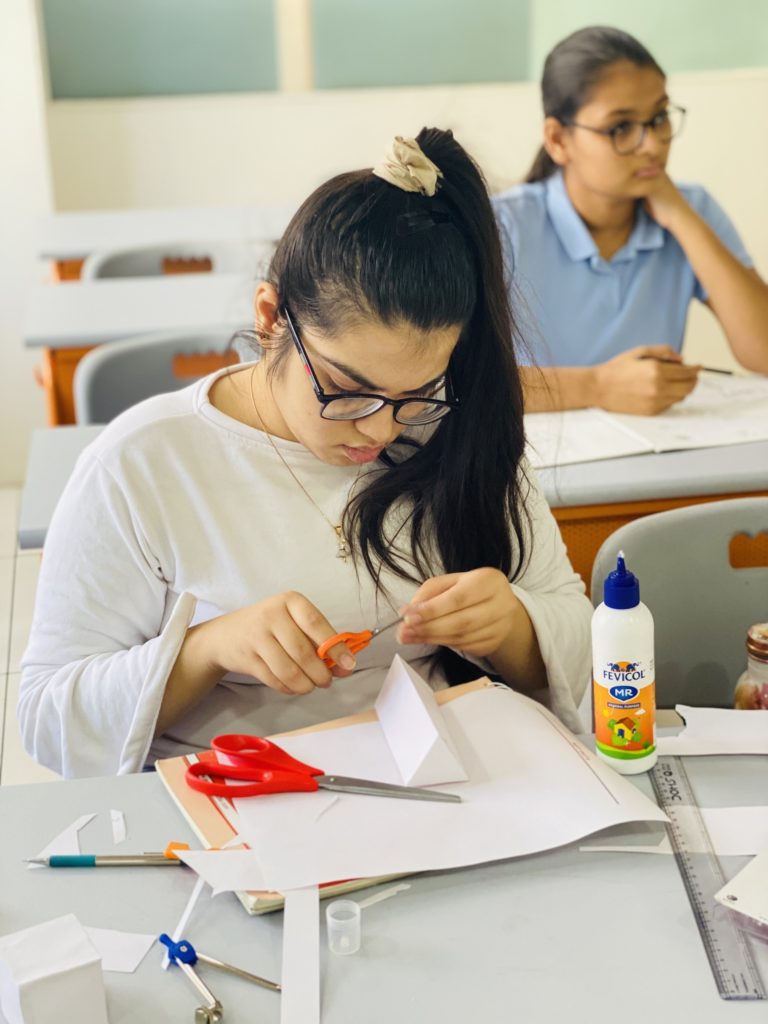
After student clears the CAT and GAT exam (CAT 50% and GAT 30%) weightage is given to this test, NIFT situation test is conducted (20% weightage). It is to evaluate the candidate’s skills for material handling and innovative ability in a given situation with a provided set of materials. Candidates must know how to crack NIFT situation test as their admission also based on the performance in the situation test which is the final round of the admission process. A total of 3038 seats across Bachelor of Design (B.Des.) programmes will be offered admission to the
shortlisted candidates across the across 16 campuses of the NIFT institute.

The following are the key to do for NIFT Situation test.
1- Make yourself familiar with materials, materials could be anything that you usually find
at your home i.e. Plastic (bags, bottles, packaging, utensils), Cloth fabrics, strings ( jute, rubber bands, plastic etc.) ,scarp metals, needles & threads ,different papers etc
2- Always learn and practice in group especially in classroom , as there will be lots and lots
of brainstorming ,boosting your ideations and creativity
3- Exchange thoughts, ideas with your mentor and also be very open to learning.
4- Explore unconventional use of materials, handling them effectively and productively is something requires time, so start your Situation test preparation early.

Its very important to acknowledge that situation test will definitely a key to boost up the ranking, and getting top NIFT Campus is altogether based on your ranking. even a small difference in marks , creates a wide gap in the ranking . so take the situation test very “ SERIOUSLY “

Q. According to you, when must a NIFT aspirant start preparing to get the best results?

Start early, stay ahead with your strategy and make a Strategic plan to get an edge over others. Successful are those who knows what they are meant for, where is their interest & which field they are passionate about. Once you make yourself clear that your goal is to pursue art &
design as a career devise productive time management strategies with a view of acing the NIFT
exam with good rank.

Ideally it is recommended that one should start preparation at high school level , but do not assume it to be mandatory , as NIFT exam is all about your ability to effectively execute your ideas and creativity in a piece of paper ,so first identify your existing skill set and what level you need to take these skill sets to score good ranking in exam . as your school grades are not indicator of these skill sets , so it becomes imperative for NIFT aspirants to choose a mentor & guide, who would actually identify your skill set and at the same time hone up the your own set of competencies.


The Indian real estate industry in Dec 2020 was estimated to be, rising income levels, urbanization and the rapid growth of the IT sector are the key drivers for the Indian real estate sector. Currently as the economy is facing a slump due to global downturn, the real estate sector is facing difficulties. However, in the next 2-3 years most of the larger players are anticipated to expand aggressively across the country. With this slump considered momentary, Indian real estate industry is likely to witness huge growth again. With increase in growth, demand for allied services like architecture, interior design & landscape architecture is likely to increase.

Architectural Design

Market
• Architecture is a highly competitive and multi-disciplinary profession, involving a variety of tasks.
• As a field, it covers myriad disciplines, including spatial design, aesthetics, project management and material management.
• There are many Institutions in the country offering undergraduate & post graduate courses in Architecture.
• From our survey, out of the total number of designers working in the country, this discipline accounts for the most with 81.25%.
• Majority of the architects belong to the age group of 20-35 & hold B.Arch as their degree of qualification.35
• Mumbai leads in terms of having maximum number of architects followed by Pune and Delhi.
• In terms of placements, maximum numbers of architects are placed in the private sector followed by being self employed & in public sectors.
Current Activities
• In terms of outsourcing, architectural services are gaining traction with scope including design development, detailed architectural plans, construction documentation, as-built drawings, shop drawings, and visualization (3D views & walk-through).
• Architectural outsourcing service in India has the potential to grow to $12 billion in the next four to six years, from its current level of $3.5 billion.36
• Annual requirement projections of architects’ stands over 10,000 which is expected to rise further but the training facilities available are still short.

Interior Design

  1. One key aspect of architecture, which is coming up and expected to play an increasing role in architectural design is environmental friendly buildings and structures. Green buildings will soon be a feature and a part of people lives.
  2. Interior design is a multi-faceted profession wherein creative and technical solutions are applied within a structure to achieve a built interior environment.
  3. Interior decoration and designing in India are getting popular with a lot of people opting for the services of trained interior designers for their houses / offices, etc.
  4. Reason can also be attributed to the changing definitions of homes and modern residential houses, which now symbolize more with the personalities of their owners.
  5. Interior design is also gaining popularity among workplaces and is being considered as a science helping to reduce stress and fatigue thereby increasing productivity.
  6. The services provided by interior decorators and designer cover a wide range of areas and include Interior decoration services, furniture and furnishings, facilities design, mechanical designing, residential interior architecture, etc.
  7. Keeping in mind the demand & separate need from architecture courses, various Institutions like University of Pune and Anna University (Chennai) have announced specialized courses in Interior design as B.Arch (Interior design).

Urban Design and Landscape Design

  1. Landscape architects consider how a place to be used and understand what kind of natural ingredients from grass to stone to falling water will serve best.
  2. The scope of the profession includes site planning, housing estate development, environmental restoration, town or urban planning, urban design, parks, landscape urbanism and recreation planning.
  3. The work also includes conducting Environmental Impact Assessment (EIA) studies for a region (analyzing impact of development on natural resources in a region and taking steps to mitigate damage) and also assessing urban growth, need for open spaces, and developing suitable strategies to enhance the green cover of cities.
  4. The Industry is at a nascent stage in India, but with each year there seem to be new opportunities pouring in.
  5. To become a landscape architect, one needs to do an undergraduate course in architecture, followed by a two-year master’s program in landscape architecture.
  6. Application-oriented knowledge of plant systems and processes, plants and design, landscape engineering, eco-system analysis and field ecology is imperative as is knowledge of design history and culture.
  7. The demand for landscape architects is not just limited to architectural firms. One can find job with builders, government authorities like DDA, NDMC, and CPWD apart from working with architects.

Furniture Design

  1. Furniture designers create the designs that people use as furnishings in residential and commercial properties throughout the world.
  2. Furniture design is a blend of multiple disciplines & is much like fashion design, as the materials, textiles, metals, etc. used to make a piece of furniture can be comparable to materials used to make a piece of clothing. Furniture design also is much like architecture in that the furniture must prove stable and safe.
  3. Furniture designers either work for large manufacturing industries or in batch production companies. Many set up their own design and batch production studios, undertaking custom- designed furniture. Others contribute to interior design teams, working on projects for the service sector, besides corporate organizations.
  4. Furniture design programs teaches an integrated approach to furniture as a part of living, work spaces and habitat and challenges and defines the boundaries of such objects in systems context.
  5. The Furniture design programs provide students an opportunity to challenge and redefine the boundaries of furniture, as much as to develop its traditions. The programs ensure that students are able to perform at all levels of production of furniture in various materials, mass production industries, to the small scale and craft sectors.
Jaipur

Address:- 2nd Floor, F 18, Gautam Marg, Vaishali Nagar, Jaipur, Rajasthan -302021
Contact Person: Mr. Aman and Mr. Akbar
Contact No: 97721-99911, 0141-6656509
Email: jaipur@pahaldesign.com

30 UG -PG Programs offered under four Schools

  • School of Fashion
  • School of Design
  • School of Contemporary Media
  • School of Creative Business

How to Apply:

Students can apply both Offline & Online by submitting the Application form before the last date of the given exam cycle:

Offline Mode: Student can collect & submit the Application form at Pearl Campuses at Delhi West, Delhi South, Mumbai, Jaipur & Bangalore. Forms are also available at various consultant points.

Online Mode: Student can visit our website at below link & submit the Application form https://pearlacademy.com/admissions/dates-and-guidelines/

Selection Criterion & Admission Procedure

General Proficiency Test (GPT) – Aptitude Test with 60 Questions in 60 Min. GPT evaluates a candidate’s proficiency in the English language, Logical reasoning, Quantitative Ability & Data Interpretation

Design Aptitude Test (DAT) – 2 Hour Test, DAT evaluates a candidates’ aptitude for creativity, drawing, design ability, power of observation and imagination, sensitivity to environment and communication skills.

Media Aptitude Test (MAT) evaluates a media school applicant’s aptitude for creative thinking (ideation on branding or advertisement or campaign), visual expression (logo design or dialogues & expressions writing: screenplay), command over language (short report writing), and power of observation (human behavior or visual elements).

Panel Interview – Post the GPT & DAT (advisable to carry Portfolio), including portfolio evaluation / material handling skill test for Design streams).

IMPORTANT DATES

Feb cycle

  • Proposed Dates – 5 – 6 February 2021, Mode of Exam – Online
  • Last date to apply – 1 February 2021

April cycle

  • Proposed Dates – 30April – 1 May 2021*, Mode of exam – Online/Offline as per government permission
  • Last date to apply – 26 April 2021


Note: Dates may be changed if it coincides with board exam or any national level entrance test

PEARL ACADEMY                              
Course Fees for 2020 enrollments_Normal                            
                               
DELHI (West)                              
Campus Course /Semester Program Details School I II III IV V VI VII VIII Total No of Years Average Yearly Fee  
                               
  UNDER GRADUATE  : 2021-24 / 2021-25                            
DELHI (West)  UGFDFD 2021-25   UG- Fashion Design   SOF                  3,50,500                 2,74,000                 2,90,500       2,90,500               3,08,000               3,08,000               3,26,500               3,26,500               24,74,500                                 4                           6,18,625 UG 4yr
DELHI (West)  UGFDFSID 2021-25   UG- Fashion Styling and Image Design   SOF                  3,31,000                 2,54,500                 2,70,000       2,70,000               2,86,000               2,86,000               3,03,000               3,03,000               23,03,500                                 4                           5,75,875 UG 4yr
DELHI (West)  UGFDTD 2021-25   UG – Textile Design   SOF                  3,31,000                 2,54,500                 2,70,000       2,70,000               2,86,000               2,86,000               3,03,000               3,03,000               23,03,500                                 4                           5,75,875 UG 4yr
DELHI (West)  UGFDGCD 2021-25   UG- Communication Design   SOD                  3,31,000                 2,54,500                 2,70,000       2,70,000               2,86,000               2,86,000               3,03,000               3,03,000               23,03,500                                 4                           5,75,875 UG 4yr
DELHI (West)  UGFDID 2021-25   UG- Interior Design   SOD                  3,31,000                 2,54,500                 2,70,000       2,70,000               2,86,000               2,86,000               3,03,000               3,03,000               23,03,500                                 4                           5,75,875 UG 4yr
DELHI (West)  UGFDPD 2021-25   UG- Product Design   SOD                  3,31,000                 2,54,500                 2,70,000       2,70,000               2,86,000               2,86,000               3,03,000               3,03,000               23,03,500                                 4                           5,75,875 UG 4yr
DELHI (West)  UGFDAD 2021-25   UG- Accessory Design   SOD                  3,31,000                 2,54,500                 2,70,000       2,70,000               2,86,000               2,86,000               3,03,000               3,03,000               23,03,500                                 4                           5,75,875 UG 4yr
DELHI (West)  UGFDFMC 2021-25   UG – Fashion Media Communication   SOM                  3,31,000                 2,54,500                 2,70,000       2,70,000               2,86,000               2,86,000               3,03,000               3,03,000               23,03,500                                 4                           5,75,875 UG 4yr
DELHI (West)  UGMCJ 2021-24   UG – Media Communication and Journalism   SOM                  2,47,500                 1,71,000                 1,81,500       1,81,500               1,92,500               1,92,500                   11,66,500                                 3                           3,88,833 UG 3yr
                               
  POST GRADUATE  : 2021-23                            
DELHI (West)  PGDFD 2021-23   PG – Fashion Design   SOF                  2,83,000                 2,06,500                 2,19,000       2,19,000                          9,27,500                                 2                           4,63,750 PG 2yr
DELHI (West)  PGDFSID 2021-23   PG – Fashion Styling and Image Design   SOF                  2,83,000                 2,06,500                 2,19,000       2,19,000                          9,27,500                                 2                           4,63,750 PG 2yr
DELHI (West)  PGDGCD 2021-23   PG – Communication Design   SOD                  2,83,000                 2,06,500                 2,19,000       2,19,000                          9,27,500                                 2                           4,63,750 PG 2yr
DELHI (West)  PGDUEID 2021-23   PG- User Experience and Interaction Design   SOD                  2,83,000                 2,06,500                 2,19,000       2,19,000                          9,27,500                                 2                           4,63,750 PG 2yr
DELHI (West)  PGDIDS 2021-23   PG- Interior Design and Styling   SOD                  2,83,000                 2,06,500                 2,19,000       2,19,000                          9,27,500                                 2                           4,63,750 PG 2yr
DELHI (West)  PGDAD 2021-23   PG – Accessory Design   SOD                  2,83,000                 2,06,500                 2,19,000       2,19,000                          9,27,500                                 2                           4,63,750 PG 2yr
DELHI (West)  PGDFC 2021-23   PG- Fashion Communication   SOM                  2,83,000                 2,06,500                 2,19,000       2,19,000                          9,27,500                                 2                           4,63,750 PG 2yr
DELHI (West)  PGDMCJ 2021-23   PG- Media Communication and Journalism   SOM                  2,66,500                 1,90,000                 2,01,500       2,01,500                          8,59,500                                 2                           4,29,750 PG 2yr
DELHI (West)  PGDAdvM 2021-23   PG – Advertising and Marketing   SOM                  2,66,500                 1,90,000                 2,01,500       2,01,500                          8,59,500                                 2                           4,29,750 PG 2yr
                               
DELHI (South)                              
Campus Course /Semester     I II III IV V VI VII VIII Total No of Years Average Yearly Fee  
                               
  UNDER GRADUATE  : 2021-24 / 2021-25                            
DELHI (South)  UGFDFD 2021-25   UG- Fashion Design   SOF                  3,50,500                 2,74,000                 2,90,500       2,90,500               3,08,000               3,08,000               3,26,500               3,26,500               24,74,500                                 4                           6,18,625 UG 4yr
DELHI (South)  UGFDFSID 2021-25   UG- Fashion Styling and Image Design   SOF                  3,31,000                 2,54,500                 2,70,000       2,70,000               2,86,000               2,86,000               3,03,000               3,03,000               23,03,500                                 4                           5,75,875 UG 4yr
DELHI (South)  UGFDGCD 2021-25   UG- Communication Design   SOD                  3,31,000                 2,54,500                 2,70,000       2,70,000               2,86,000               2,86,000               3,03,000               3,03,000               23,03,500                                 4                           5,75,875 UG 4yr
DELHI (South)  UGFDID 2021-25   UG- Interior Design   SOD                  3,31,000                 2,54,500                 2,70,000       2,70,000               2,86,000               2,86,000               3,03,000               3,03,000               23,03,500                                 4                           5,75,875 UG 4yr
DELHI (South)  UGFDFMC 2021-25   UG – Fashion Media Communication   SOM                  3,31,000                 2,54,500                 2,70,000       2,70,000               2,86,000               2,86,000               3,03,000               3,03,000               23,03,500                                 4                           5,75,875 UG 4yr
DELHI (South)  UGBDFLBM 2021-24   UG- Fashion and Lifestyle Business Management   SNAB                  3,31,000                 2,54,500                 2,70,000       2,70,000               2,86,000               2,86,000                   16,97,500                                 3                           5,65,833 UG 3yr
DELHI (South)  UGBDDMDA 2021-24   UG- Fashion and Lifestyle Business Management   SNAB                  3,31,000                 2,54,500                 2,70,000       2,70,000               2,86,000               2,86,000                   16,97,500                                 3                           5,65,833 UG 3yr
  POST GRADUATE  : 2021-23                            
DELHI (South)  PGDFD 2021-23   PG – Fashion Design   SOF                  2,83,000                 2,06,500                 2,19,000       2,19,000                          9,27,500                                 2                           4,63,750 PG 2yr
DELHI (South)  PGDFSID 2021-23   PG – Fashion Styling and Image Design   SOF                  2,83,000                 2,06,500                 2,19,000       2,19,000                          9,27,500                                 2                           4,63,750 PG 2yr
DELHI (South)  PGDFB 2021-23   PG- Fashion Business   SNAB                  2,83,000                 2,06,500                 2,19,000       2,19,000                          9,27,500                                 2                           4,63,750 PG 2yr
DELHI (South)  PGDLB 2021-23   PG – Luxury Brands   SNAB                  3,64,500                 2,88,000                 3,05,500       3,05,500                       12,63,500                                 2                           6,31,750 PG 2yr
DELHI (South)  PGDGCD 2021-23   PG- Communication Design   SOD                  2,83,000                 2,06,500                 2,19,000       2,19,000                          9,27,500                                 2                           4,63,750 PG 2yr
DELHI (South)  PGDFC 2021-23   PG- Fashion Communication   SOM                  2,83,000                 2,06,500                 2,19,000       2,19,000                          9,27,500                                 2                           4,63,750 PG 2yr
DELHI (South)  PGDIDS 2021-23   PG- Interior Design and Styling   SOD                  2,83,000                 2,06,500                 2,19,000       2,19,000                          9,27,500                                 2                           4,63,750 PG 2yr
                               
JAIPUR                              
Campus Course /Semester     I II III IV V VI VII VIII Total No of Years Average Yearly Fee  
                               
  UNDER GRADUATE  : 2021-25                            
JAIPUR  UGFDFD 2021-25     SOF                  3,17,000                 2,40,500                 2,55,000       2,55,000               2,70,500               2,70,500               2,86,500               2,86,500               21,81,500                                 4                           5,45,375 UG 4yr
JAIPUR  UGFDTD 2021-25     SOF                  2,49,500                 1,73,000                 1,83,500       1,83,500               1,94,500               1,94,500               2,06,000               2,06,000               15,90,500                                 4                           3,97,625 UG 4yr
JAIPUR  UGFDID 2021-25     SOD                  3,17,000                 2,40,500                 2,55,000       2,55,000               2,70,500               2,70,500               2,86,500               2,86,500               21,81,500                                 4                           5,45,375 UG 4yr
JAIPUR  UGFDAD 2021-25     SOD                  2,49,500                 1,73,000                 1,83,500       1,83,500               1,94,500               1,94,500               2,06,000               2,06,000               15,90,500                                 4                           3,97,625 UG 4yr
JAIPUR  UGFDPD 2021-25     SOD                  2,49,500                 1,73,000                 1,83,500       1,83,500               1,94,500               1,94,500               2,06,000               2,06,000               15,90,500                                 4                           3,97,625 UG 4yr
JAIPUR  UGFDGCD 2021-25     SOD                  2,49,500                 1,73,000                 1,83,500       1,83,500               1,94,500               1,94,500               2,06,000               2,06,000               15,90,500                                 4                           3,97,625 UG 4yr
                               
  POST GRADUATE  : 2021-23                            
JAIPUR  PGDFD 2021-23     SOF                  2,66,000                 1,89,500                 2,01,000       2,01,000                          8,57,500                                 2                           4,28,750 PG 2yr
JAIPUR  PGDAD 2021-23     SOD                  2,66,000                 1,89,500                 2,01,000       2,01,000                          8,57,500                                 2                           4,28,750 PG 2yr
JAIPUR  PGDIDS 2021-23     SOD                  2,66,000                 1,89,500                 2,01,000       2,01,000                          8,57,500                                 2                           4,28,750 PG 2yr
                               
MUMBAI                              
Campus Course /Semester     I II III IV V VI VII VIII Total No of Years Average Yearly Fee  
                               
  UNDER GRADUATE  : 2021-24 / 2021-25                            
MUMBAI  UGFDFD 2021-25     SOF                  3,64,000                 2,87,500                 3,05,000       3,05,000               3,23,500               3,23,500               3,43,000               3,43,000               25,94,500                                 4                           6,48,625 UG 4yr
MUMBAI  UGFDFSID 2021-25     SOF                  3,44,500                 2,68,000                 2,84,000       2,84,000               3,01,000               3,01,000               3,19,000               3,19,000               24,20,500                                 4                           6,05,125 UG 4yr
MUMBAI  UGFDGCD 2021-25     SOD                  3,44,500                 2,68,000                 2,84,000       2,84,000               3,01,000               3,01,000               3,19,000               3,19,000               24,20,500                                 4                           6,05,125 UG 4yr
MUMBAI  UGFDID 2021-25     SOD                  3,44,500                 2,68,000                 2,84,000       2,84,000               3,01,000               3,01,000               3,19,000               3,19,000               24,20,500                                 4                           6,05,125 UG 4yr
MUMBAI  UGFDPD 2021-25     SOD                  3,44,500                 2,68,000                 2,84,000       2,84,000               3,01,000               3,01,000               3,19,000               3,19,000               24,20,500                                 4                           6,05,125 UG 4yr
MUMBAI  UGFDFMC 2021-25     SOM                  3,44,500                 2,68,000                 2,84,000       2,84,000               3,01,000               3,01,000               3,19,000               3,19,000               24,20,500                                 4                           6,05,125 UG 4yr
MUMBAI  UGBDFLBM 2021-24     SNAB                  3,44,500                 2,68,000                 2,84,000       2,84,000               3,01,000               3,01,000                   17,82,500                                 3                           5,94,167 UG 3yr
MUMBAI  UGMCJ 2021-24     SOM                  2,66,500                 1,90,000                 2,01,500       2,01,500               2,13,500               2,13,500                   12,86,500                                 3                           4,28,833 UG 3yr
                               
  POST GRADUATE  : 2021-23                            
MUMBAI  PGDFD 2021-23     SOF                  2,94,500                 2,18,000                 2,31,000       2,31,000                          9,74,500                                 2                           4,87,250 PG 2yr
MUMBAI  PGDFSID 2021-23     SOF                  2,94,500                 2,18,000                 2,31,000       2,31,000                          9,74,500                                 2                           4,87,250 PG 2yr
MUMBAI  PGDFB 2021-23     SNAB                  2,94,500                 2,18,000                 2,31,000       2,31,000                          9,74,500                                 2                           4,87,250 PG 2yr
MUMBAI  PGDLB 2021-23     SNAB                  3,89,500                 3,13,000                 3,32,000       3,32,000                       13,66,500                                 2                           6,83,250 PG 2yr
MUMBAI  PGDGCD 2021-23     SOD                  2,94,500                 2,18,000                 2,31,000       2,31,000                          9,74,500                                 2                           4,87,250 PG 2yr
MUMBAI  PGDUEID 2021-23     SOD                  2,94,500                 2,18,000                 2,31,000       2,31,000                          9,74,500                                 2                           4,87,250 PG 2yr
MUMBAI  PGDIDS 2021-23     SOD                  2,94,500                 2,18,000                 2,31,000       2,31,000                          9,74,500                                 2                           4,87,250 PG 2yr
MUMBAI  PGDFC 2021-23     SOM                  2,94,500                 2,18,000                 2,31,000       2,31,000                          9,74,500                                 2                           4,87,250 PG 2yr
MUMBAI  PGDMCJ 2021-23     SOM                  2,82,500                 2,06,000                 2,18,500       2,18,500                          9,25,500                                 2                           4,62,750 PG 2yr
MUMBAI  PGDAdvM 2021-23     SOM                  2,82,500                 2,06,000                 2,18,500       2,18,500                          9,25,500                                 2                           4,62,750 PG 2yr
                               
BANGALORE                              
Campus Course /Semester     I II III IV V VI VII VIII Total No of Years Average Yearly Fee  
                               
  UNDER GRADUATE  : 2021-24 / 2021-25                            
BANGALORE  UGFDFD 2021-25     SOF                  3,50,500                 2,74,000                 2,90,500       2,90,500               3,08,000               3,08,000               3,26,500               3,26,500               24,74,500                                 4                           6,18,625 UG 4yr
BANGALORE  UGFDTD 2021-25     SOF                  3,31,000                 2,54,500                 2,70,000       2,70,000               2,86,000               2,86,000               3,03,000               3,03,000               23,03,500                                 4                           5,75,875 UG 4yr
BANGALORE  UGFDFSID 2021-25     SOF                  3,31,000                 2,54,500                 2,70,000       2,70,000               2,86,000               2,86,000               3,03,000               3,03,000               23,03,500                                 4                           5,75,875 UG 4yr
BANGALORE  UGFDGCD 2021-25     SOD                  3,31,000                 2,54,500                 2,70,000       2,70,000               2,86,000               2,86,000               3,03,000               3,03,000               23,03,500                                 4                           5,75,875 UG 4yr
BANGALORE  UGFDID 2021-25     SOD                  3,31,000                 2,54,500                 2,70,000       2,70,000               2,86,000               2,86,000               3,03,000               3,03,000               23,03,500                                 4                           5,75,875 UG 4yr
BANGALORE  UGFDPD 2021-25     SOD                  3,31,000                 2,54,500                 2,70,000       2,70,000               2,86,000               2,86,000               3,03,000               3,03,000               23,03,500                                 4                           5,75,875 UG 4yr
BANGALORE  UGFDFMC 2021-25     SOM                  3,31,000                 2,54,500                 2,70,000       2,70,000               2,86,000               2,86,000               3,03,000               3,03,000               23,03,500                                 4                           5,75,875 UG 4yr
BANGALORE  UGFDAD 2021-25     SOD                  3,31,000                 2,54,500                 2,70,000       2,70,000               2,86,000               2,86,000               3,03,000               3,03,000               23,03,500                                 4                           5,75,875 UG 4yr
BANGALORE  UGBDFLBM 2021-24     SNAB                  3,31,000                 2,54,500                 2,70,000       2,70,000               2,86,000               2,86,000                   16,97,500                                 3                           5,65,833 UG 3yr
BANGALORE  UGBDDMDA 2021-24     SNAB                  3,31,000                 2,54,500                 2,70,000       2,70,000               2,86,000               2,86,000                   16,97,500                                 3                           5,65,833 UG 3yr
  POST GRADUATE  : 2021-23                            
BANGALORE  PGDFD 2021-23     SOF                  2,83,000                 2,06,500                 2,19,000       2,19,000                          9,27,500                                 2                           4,63,750 PG 2yr
BANGALORE  PGDFSID 2021-23     SOF                  2,83,000                 2,06,500                 2,19,000       2,19,000                          9,27,500                                 2                           4,63,750 PG 2yr
BANGALORE  PGDFB 2021-23     SNAB                  2,83,000                 2,06,500                 2,19,000       2,19,000                          9,27,500                                 2                           4,63,750 PG 2yr
BANGALORE  PGDLB 2021-23     SNAB                  3,64,500                 2,88,000                 3,05,500       3,05,500                       12,63,500                                 2                           6,31,750 PG 2yr
BANGALORE  PGDGCD 2021-23     SOD                  2,83,000                 2,06,500                 2,19,000       2,19,000                          9,27,500                                 2                           4,63,750 PG 2yr
BANGALORE  PGDUEID 2021-23     SOD                  2,83,000                 2,06,500                 2,19,000       2,19,000                          9,27,500                                 2                           4,63,750 PG 2yr
BANGALORE  PGDIDS 2021-23     SOD                  2,83,000                 2,06,500                 2,19,000       2,19,000                          9,27,500                                 2                           4,63,750 PG 2yr
BANGALORE  PGDFC 2021-23     SOM                  2,83,000                 2,06,500                 2,19,000       2,19,000                          9,27,500                                 2                           4,63,750 PG 2yr


Note: Govt Taxes are additional as applicable. Currently GST is applicable @ 18%.                          
  1. Name of the institute

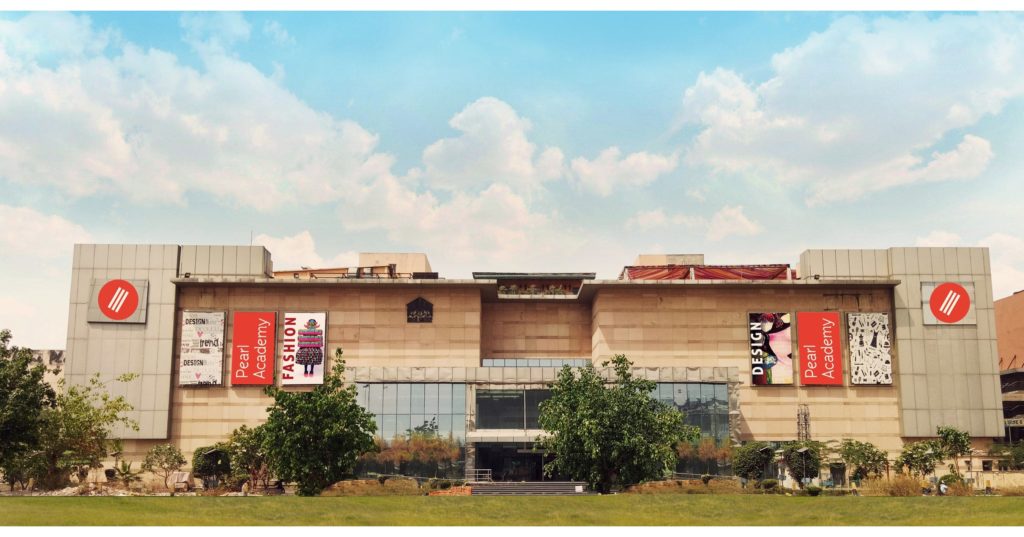
    Pearl Academy’s New Campus in West Delhi’s Rajouri Garden.

Pearl Academy

  1. Year of establishment

1993, 28 years of legacy

  1. Which university are they affiliated to? (NA)
  2. About campuses

We have 5 running campuses- Delhi west, Delhi South, Mumbai, Bengaluru and Jaipur.

  • There is no differentiation in terms of placements. Any job openings are made equally available to all campuses.
  • All our campuses are multidisciplinary, well equipped with world class infrastructure, slick classrooms, technical laboratories, and inspiring wide collaborative spaces.

Highlights of infrastructure/facility at campus?

Delhi west Campus –

Delhi has two campuses: in Naraina and Rajouri Garden. The Naraina campus is fully equipped with world class infrastructure. It has been the launch pad for design, fashion,

business and media professionals for the last 25 years. The Rajouri Campus is 100,000 sq ft. and is designed around the needs of design students, providing them with a

contemporary architectural canvas that is permeated with slick classrooms and wide collaborative spaces perfect for the 21st century learner.

A-21/13, NARAINA INDUSTRIAL AREA, PHASE II, NEW DELHI

EROS BUILDING DISTRICT CENTRE, RAJOURI GARDEN, NEW DELHI

Link: https://pearlacademy.com/academics/centers/delhi-west/

Mumbai Campus

The Mumbai Centre with its state-of-the-art labs for media, fashion, product and interiors have ensured a world class learning experience for students. Located right in the centre of

bustling Mumbai makes it a great place to get ready for the creative industries. The Mumbai Campus has won accolades like, ‘Mid Day Excellence in Education Awards 2017’,

‘Best Upcoming Design Institute in Mumbai’ award at ‘Brands Academy Education Excellence Awards’ 2014 and Bronze Award under ‘Emerging Design School Category’ at

The Edutainment Awards, 2016.

SM CENTRE, ANDHERI KURLA ROAD, ANDHERI EAST, MUMBAI

https://pearlacademy.com/academics/centers/mumbai/

Jaipur Campus

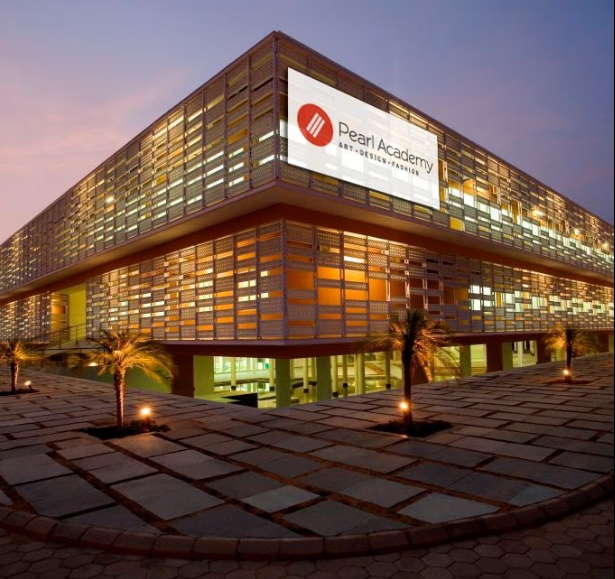
The Jaipur Centre has been awarded as one of the most beautiful college campuses in

India by India Today, 2016 and has also won ‘Best Learning Building’ Award at the World Architecture Festival Awards, 2009. It’s spread over 3.28 acres and has state-of-the-art

infrastructure which includes world class fashion, interiors, jewellery & gemmology labs, making it the ideal place to learn the nuances of fashion and design. The Centre has

hosted the 14th International Conference of the International Foundation for Fashion Technology Institutes in 2012.

Affiliated to Rajasthan ILD Skill University for B.Voc Degree

SP-38 A, RIICO INDUSTRIAL AREA, DELHI ROAD, KUKAS, JAIPUR

https://pearlacademy.com/academics/centers/jaipur/

Delhi South Campus

Located in the cultural hub of the capital city, Pearl Academy’s new campus in South Delhi offers a plethora of opportunities to students. The campus is very well connected to the prime locations and provides the perfect environment to creative aspirants. This campus houses state-of-the-art labs like Sewing & Cutting, Printing & Embroidery

and Make-up. It has a well-stocked Library and Resource Centre along with Design & Drawing Studios, Pattern-Making Studios and more. It’s surrounded by renowned export houses and studios of fashion designers.

Address:

Lotus Tower, Community Centre, New Friends Colony, New Delhi – 110025

Link: https://pearlacademy.com/academics/centers/delhi-south/

Bengaluru

Pearl Academy’s new campus in Bengaluru exemplifies the true spirit of the city. Located centrally at the city’s hub of handicrafts, it provides students the perfect space to get inspired by the start-up culture, IT, entertainment and business industries. It has a new age building with well equipped labs and facilities.

Address:

Pearl Academy, No.31, Residency Road, Next to Opera House, Opposite to the Gateway Hotel.

Bengaluru- 560025

Link: https://pearlacademy.com/academics/centers/bengaluru/

  1. What program do they offer? Annual intake?

Please click on Link : https://pearlacademy.com/academics/courses/

  1. Key highlights

A Student should apply to Pearl Academy for following reasons:

  • With a legacy of 28 years in contributing to creative education in spheres such as design, fashion, business and media; offering more than 40 courses.
  • We are recognized by the industry and hence, Pearl Academy has been awarded the Best Design Institute in India by ASSOCHAM for the last four years (2016,2017,2018 & 2019). Pearl Academy also has been consecutively ranked as the best private fashion college in India by India Today, The Week and Outlook
  • Our Curriculumis regularly updated with changes in the industry & provides a holistic approach to all students with best of the faculty from the industry with us
  • Pearl Total Learning System(PTLS) is an academic differentiator which ensures holistic development of every student as it includes: Beyond the curriculum where we provide multidisciplinary/inter-disciplinary collaborative experiences & open spaces to develop new learning skills like Pow-wow, active citizenship etc Industry Circuit which includes involvement of industry right from designing curriculum, Live Industry Projects, Masterclasses etc. International exposure to student through exchange programs, experience lab and beamed classes with international students and faculty mentors. Career Mentoring provides students professional development and life skills, trainings, exposure to HR summits, interview preparations, assess professional competencies and help students develop a career path for themselves
  • We offer extensive scope for global exposurethrough exchange Programmes across Europe & Australia on 100% Scholarship to all enrolled Students
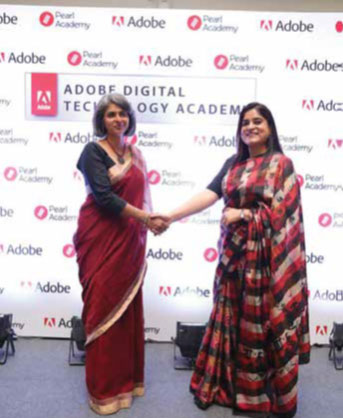
  • We have strong Industry Alliances with FDCI, IIID, ADI, Amazon, Adobe etc wherein we offer Industry exposureto our Students with Live Industry Projects & Masterclasses with Industry experts
  • We offer opportunities to earn International Degree to our UG Students from prestigious universities in the world like Torrens University Australia, Manchester Metropolitan University, University of Derby, Nottingham Trent University, UK and University for Creative Arts, UK
  • Our Placements were at 99% for AY 2020 which includes leading names in the industry
  • We have a strong Alumni networkwho are notable designers in the industry today like Mandira Wirk, Nikhil Mehra, Pallavi Dhyani etc  
  • Our campuses are very safe and have been awarded with BV safety shield for hygiene
  • We are the only creative education Institute in India to have been awarded QS I-Gauge badge for best practices in Digitization of education infrastructure.

Admission Process – https://pearlacademy.com/admissions/dates-and-guidelines/

How to Apply?

Online application– You can apply on our website (www.pearlacademy.com).

The application fee is Rs.1500. For more information pls visit-https://pearlacademy.com/admissions/dates-and-guidelines/

What is the entrance exam pattern? Any sample Paper? – You can prepare for DAT on the below link and access sample papers-

https://designprep.pearlacademy.com/?_ga=2.117704329.1081593450.1576039070-950507817.1510298763

Important Dates –

Feb Cycle

  • Examination Dates – 5 – 6 February 2021, Mode of Exam – Online
  • Last date to apply – 1 February 2021

April Cycle

  • Examination Dates – 30April – 1 May 2021*
  • Mode of exam – Online/Offline as per government permission.
  • Last date to apply – 26 April 2021

*Note: Dates may be changed if it gets coincide with board exam or any national level entrance test

For more information log on to- https://pearlacademy.com/admissions/dates-and-guidelines/

  1. Eligibility Criteria
  • For 3 Year / 4 Year UG course: 10+2, in any discipline.
  • For 2 Year PG Course / 11 Months PG program: Graduate in any discipline from a recognized university.
  • For 11 Months Professional Program: 10+2 or equivalent

Is there in reservations in the seats? if yes what is the split?

The selection is based on merit basis, you need to qualify the entrance exam in order secure a seat in Pearl.

  1. Fee structure

Please click on Link : https://pearlacademy.com/fee-structure/

  1. International affiliation

We provide opportunities to our students to learn the best global practices through several international platforms such as exchange programs, summer programs, art fests, workshops and many more. Our extensive international tie-ups facilitate over 300 students each year to participate in reciprocal exchanges, international conferences, study tours and summer school programs. In 2019 369+ students went for exchange.

Some of our prestigious partners are Torrens University in Australia, University of Derby, UK, MMU, NTU, NABA in Milan, IED, University for creative Arts in UK etc.

For more details on Courses, Eligibility criteria and important information pls click the link below

Link: https://pearlacademy.com/international-transfer/

  1. Global exposure

Pearl Academy has established extensive international tie-ups with eminent institutions for student/faculty exchange, training and consultancy services, international conferences, and joint projects. Its vision embodies a commitment to global network and collaborations and sharing of best practices for mutual growth and benefits.

Types of International exposure:

  • 8-12 weeks or full semester exchange programmes
  • International Summer School programmes
  • Study Abroad programmes
  • Participation in global events in international Universities & partner institutions
  • International Study Module (4 weeks)
  • Opportunities for international internships
  • Collaborative Projects
  • Masterclass by renowned international experts and faculty from partner institutions
  • Scholarships for exchange program
  • Internationally academic quality partner for course curricula design and faculty training
  1. Placement record for recent years

Pearl has an excellent record of 99% placements last year.  Placements and internships are handled through a centralized Career Services Department. Various brands from industry participate regularly in the campus placements and internships.

Testimonials from recruiters and students 

https://pearlacademy.com/life-at-pearl/student-work/  

  1. Industry Interaction
  • Master classes with Industry veterans
  • Industrial visits for exposure and learning
  • Senior Industry members are part of advisory board
  • Coveted internships with best brands
  • Industry mentors for projects
Schedule a free counselling session WhatsApp WhatsApp Enquiry