 The Indian real estate industry in Dec 2020 was estimated to be, rising income levels, urbanization and the rapid growth of the IT sector are the key drivers for the Indian real estate sector. Currently as the economy is facing a slump due to global downturn, the real estate sector is facing difficulties. However, in the next 2-3 years most of the larger players are anticipated to expand aggressively across the country. With this slump considered momentary, Indian real estate industry is likely to witness huge growth again. With increase in growth, demand for allied services like architecture, interior design & landscape architecture is likely to increase.
Architectural Design
Market
• Architecture is a highly competitive and multi-disciplinary profession, involving a variety of tasks.
• As a field, it covers myriad disciplines, including spatial design, aesthetics, project management and material management.
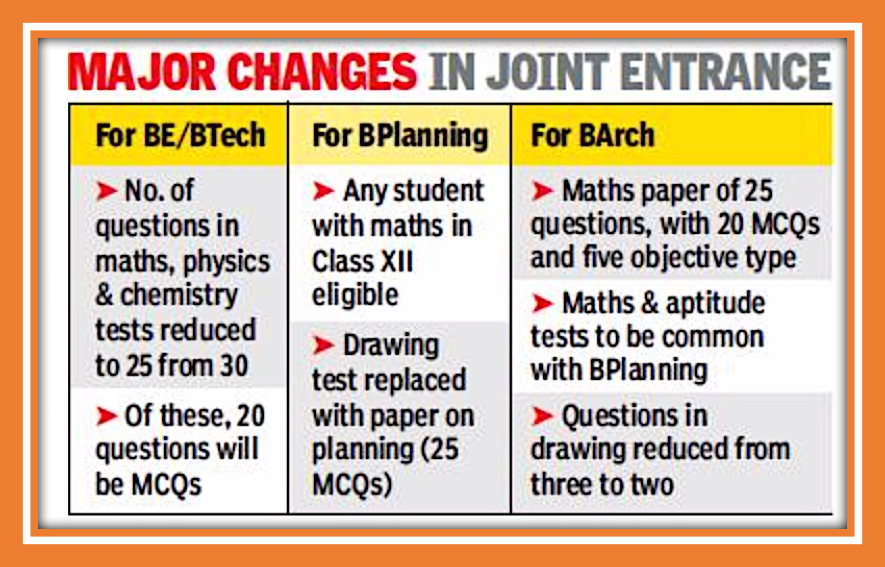
• There are many Institutions in the country offering undergraduate & post graduate courses in Architecture.
• From our survey, out of the total number of designers working in the country, this discipline accounts for the most with 81.25%.
• Majority of the architects belong to the age group of 20-35 & hold B.Arch as their degree of qualification.35
• Mumbai leads in terms of having maximum number of architects followed by Pune and Delhi.
• In terms of placements, maximum numbers of architects are placed in the private sector followed by being self employed & in public sectors.
Current Activities
• In terms of outsourcing, architectural services are gaining traction with scope including design development, detailed architectural plans, construction documentation, as-built drawings, shop drawings, and visualization (3D views & walk-through).
• Architectural outsourcing service in India has the potential to grow to $12 billion in the next four to six years, from its current level of $3.5 billion.36
• Annual requirement projections of architects’ stands over 10,000 which is expected to rise further but the training facilities available are still short.
Interior Design
- One key aspect of architecture, which is coming up and expected to play an increasing role in architectural design is environmental friendly buildings and structures. Green buildings will soon be a feature and a part of people lives.
- Interior design is a multi-faceted profession wherein creative and technical solutions are applied within a structure to achieve a built interior environment.
- Interior decoration and designing in India are getting popular with a lot of people opting for the services of trained interior designers for their houses / offices, etc.
- Reason can also be attributed to the changing definitions of homes and modern residential houses, which now symbolize more with the personalities of their owners.
- Interior design is also gaining popularity among workplaces and is being considered as a science helping to reduce stress and fatigue thereby increasing productivity.
- The services provided by interior decorators and designer cover a wide range of areas and include Interior decoration services, furniture and furnishings, facilities design, mechanical designing, residential interior architecture, etc.
- Keeping in mind the demand & separate need from architecture courses, various Institutions like University of Pune and Anna University (Chennai) have announced specialized courses in Interior design as B.Arch (Interior design).
Urban Design and Landscape Design
- Landscape architects consider how a place to be used and understand what kind of natural ingredients from grass to stone to falling water will serve best.
- The scope of the profession includes site planning, housing estate development, environmental restoration, town or urban planning, urban design, parks, landscape urbanism and recreation planning.
- The work also includes conducting Environmental Impact Assessment (EIA) studies for a region (analyzing impact of development on natural resources in a region and taking steps to mitigate damage) and also assessing urban growth, need for open spaces, and developing suitable strategies to enhance the green cover of cities.
- The Industry is at a nascent stage in India, but with each year there seem to be new opportunities pouring in.
- To become a landscape architect, one needs to do an undergraduate course in architecture, followed by a two-year master’s program in landscape architecture.
- Application-oriented knowledge of plant systems and processes, plants and design, landscape engineering, eco-system analysis and field ecology is imperative as is knowledge of design history and culture.
- The demand for landscape architects is not just limited to architectural firms. One can find job with builders, government authorities like DDA, NDMC, and CPWD apart from working with architects.
Furniture Design
- Furniture designers create the designs that people use as furnishings in residential and commercial properties throughout the world.
- Furniture design is a blend of multiple disciplines & is much like fashion design, as the materials, textiles, metals, etc. used to make a piece of furniture can be comparable to materials used to make a piece of clothing. Furniture design also is much like architecture in that the furniture must prove stable and safe.
- Furniture designers either work for large manufacturing industries or in batch production companies. Many set up their own design and batch production studios, undertaking custom- designed furniture. Others contribute to interior design teams, working on projects for the service sector, besides corporate organizations.
- Furniture design programs teaches an integrated approach to furniture as a part of living, work spaces and habitat and challenges and defines the boundaries of such objects in systems context.
- The Furniture design programs provide students an opportunity to challenge and redefine the boundaries of furniture, as much as to develop its traditions. The programs ensure that students are able to perform at all levels of production of furniture in various materials, mass production industries, to the small scale and craft sectors.
Address:- 2nd Floor, F 18, Gautam Marg, Vaishali Nagar, Jaipur, Rajasthan -302021
Contact Person: Mr. Aman and Mr. Akbar
Contact No: 97721-99911, 0141-6656509
Email: jaipur@pahaldesign.com